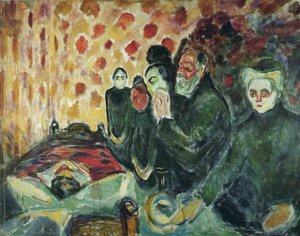
Rankiniu būdu tapytas aliejus ant droblio jūsų pageidaujamame dydį ir rėmuose – mūsų menininkų darbas pagal užsakymą. ( Perejti prie spausdinimo Perjungti į vaizdą)
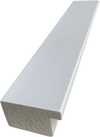
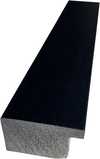
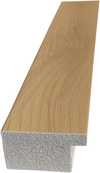
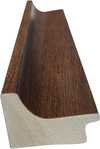
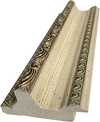
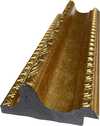
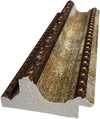

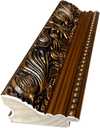
Pasirinkite iš mūsų nustatytų dydžių, atitinkančių originalaus meno kūrinio proporcijas.

Galite įvesti savo matmenis, kad jie atitiktų konkretų rėmą ar erdvę. Jei pasirinktas dydis neatitinka originalaus paveikslėlio proporcijų, mes arba apkropsime meno kūrinį, arba papildysime tapybą rankomis dažytい elementais. Prieš pradėdami gamybą, jūsų patvirtinimui atsiųsime skaitmeninį maketą.
Atkreipkite dėmesį, kad ekrane rodomas vaizdas neatspindi tikrojo apkarpymo ar papildymo. Tik maketas tiksliai parodys galutinę kompoziciją.
Nors galima rinktis ir individualius dydžius, rekomenduojame pasirinkti matmenis iš nustatytos sąrašo, kad būtų išlaikytos originalios proporcijos.
Pristatymas visame pasaulyje () per 3–4 savaites, o ne įprastai – per 5 savaites. (3 rugpjūtis). Kokybė lieka nepakeičiama.


Night in St. Cloud
Reprodukcijos matmenys
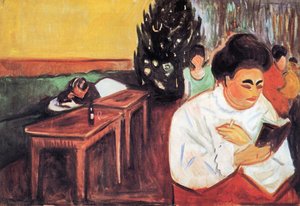
Edvard Munch’s “Night in St. Cloud,” painted in 1890, stands as a cornerstone of Expressionism—a movement that sought to convey inner emotional experience rather than objective reality. This haunting monochrome depiction captures the pervasive gloom of twilight over a tranquil landscape, yet it pulsates with an unsettling tension born from Munch’s deeply personal anxieties.
The painting showcases a simple room interior bathed in diffused light emanating from a window. Two chairs occupy the foreground, positioned strategically to draw the viewer's gaze inwards. Further back are two couches—one on the left and one on the right—creating a sense of spatial depth that reinforces the feeling of isolation. A solitary figure sits near the window, seemingly absorbed in contemplation, mirroring the artist’s own preoccupation with introspection.
Munch employed a technique characterized by loose brushstrokes and subtle gradations of tone – primarily shades of grey – to achieve an atmosphere of palpable sadness. Unlike Impressionists who aimed to capture fleeting moments of visual sensation, Munch prioritized conveying psychological states. The muted palette contributes significantly to the painting’s emotional resonance, mirroring the artist's internal turmoil.
“Night in St. Cloud” is laden with symbolic significance reflecting Munch’s preoccupation with themes of mortality and existential dread. The darkened room represents the subconscious mind—a space where fears and anxieties reside unseen. The window symbolizes a connection to the outside world, yet it offers no solace; instead, it illuminates the bleakness within. The solitary figure embodies vulnerability and loneliness – emotions central to Munch’s artistic vision.
The clock hanging on the wall serves as a poignant reminder of time's relentless march toward death—a motif recurrent in Munch’s oeuvre. It underscores the inescapable reality of human suffering and reinforces the painting’s overarching mood of melancholy. The artist himself described this piece as “a picture of my soul,” encapsulating its profound psychological depth.
Painted during a period marked by intellectual ferment and societal upheaval, "Night in St. Cloud" aligns itself with the burgeoning Expressionist movement. Influenced by Nietzsche’s philosophy and fueled by anxieties surrounding industrialization and urbanization, Expressionists rejected academic conventions in favor of subjective emotional expression.
Munch's work anticipated the broader artistic trends of the early 20th century—a shift away from representational art toward explorations of inner experience. He sought to depict not what he *saw*, but what he *felt*, establishing himself as a pivotal figure in shaping modern art’s preoccupation with psychological realism.
"Night in St. Cloud" continues to captivate viewers today due to its ability to evoke profound emotional responses. The painting's subdued colors and unsettling composition convey a sense of unease and melancholy—a testament to Munch’s masterful manipulation of artistic technique to communicate psychological states.
Owning a high-quality reproduction allows you to experience the enduring power of this iconic artwork, transporting you into Munch’s world of anxiety and introspection. Let “Night in St. Cloud” inspire contemplation on themes of solitude, mortality, and the complexities of human emotion—a timeless masterpiece that speaks volumes about the human condition.
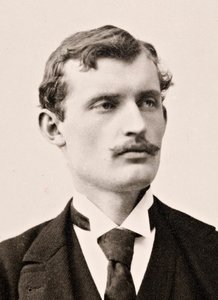
1863 - 1944 , Švedija

Explore the power of black, white & gray abstraction in modern interior design. Discover how minimalist art impacts spatial perception & creates sophisticated hotel spaces. Expert insights for designers.
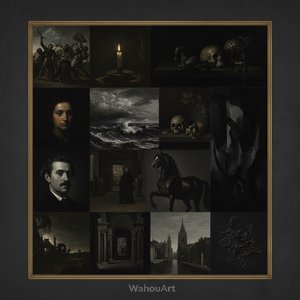
Delve into the power of 'Ivory Black' with 10 iconic paintings by masters like Rembrandt & Caravaggio. Explore dramatic chiaroscuro, gothic moods & timeless art history. Find museum-quality reproductions and elevate your home decor at
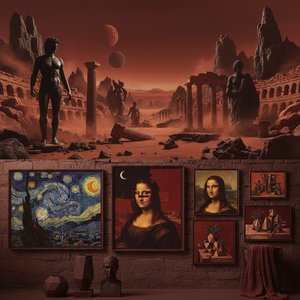
Delve into the power of 'Mars Black' with 10 iconic paintings by masters like Rembrandt & Caravaggio. Explore dramatic chiaroscuro, gothic art, and timeless beauty. Find museum-quality reproductions & elevate your home decor on .

Atraskite 25 įspūdingiausius Edvard Munch šedevrus! Išsami informacija apie aliejaus tapybą, ekspresionizmą ir jo paveikslų istoriją. Meno reprodukcijos interjerui – BuyPopArt.com
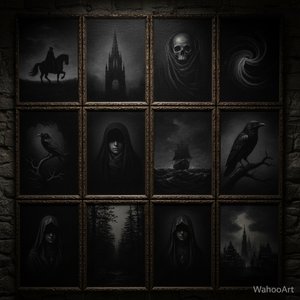
Explore 10 iconic paintings dominated by black tones, from Rembrandt’s chiaroscuro to Goya's dark expressions. Discover the stories behind these masterpieces & find museum-quality art reproductions for your home at .


Sekite naujausias meno naujienas, išskirtinius pasiūlymus ir dekoravimo idėjas.
Pasakokite mums apie savo projektą, o mūsų meno ekspertai parengs jums 3 asmeniškus meno pasiūlymus.
Leiskite mums parinkti 3 variantus būtent jums – nemokamai!


 Peržiūrėti realybėje
 Pasidalinti
 Dalintis
 Išsamiau

 Atsisiųsti
 Panašūs eksponatai
 Rentgeno nuotrauka
 Automatinė diorama
 Skaityti daugiau
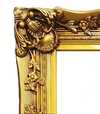
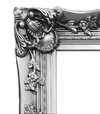
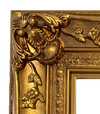
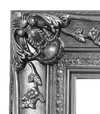
 Stiklo variantas prieinamas tik pasirinkus dydį iki 110 cm