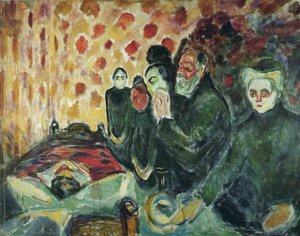
Muziejų lygio „giclée“ arba drobos spausdinimas: greita gamyba ir lankstios apdailos parinktys. ( Perejti prie rankinio darbo paveikslėlio Perjungti į vaizdą)
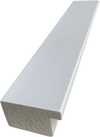
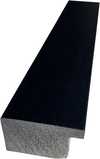
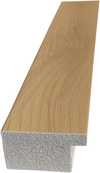
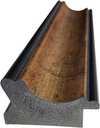
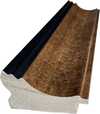
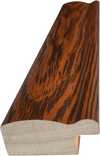
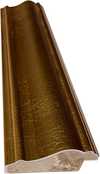
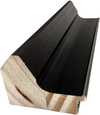
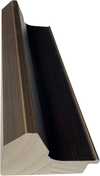
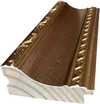
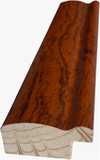
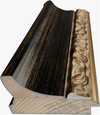
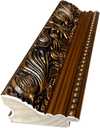
Pasirinkite iš mūsų nustatytų dydžių, atitinkančių originalaus meno kūrinio proporcijas.

Galite nurodyti savo matmenis, kad vaizdas atitiktų konkretų rėmą ar erdvę. Jei pasirinktas dydis nesutaps su originalaus paveikslėlio proporcijomis, mes arba apkirpsime kūrinį, arba išplėsime vaizdą naudojant veideliu atspindėtą arba vientisą šoną. Skaitmeninis maketas bus išsiųstas jums patvirtinti prieš pradedant gamybą.
Atkreipkite dėmesį, kad ekrane matomas vaizdinys neatspindi tikrojo apkirpimo ar išplėtimo. Tik maketas tiksliai parodytų galutinę kompoziciją.
Nors galima rinktis ir individualius dydžius, rekomenduojame pasirinkti vieną iš išanksti nustatytų matmenų, kad būtų išlaikytos originalios proporcijos.
Pristatymas visame pasaulyje () per 2 weeks, o ne įprastas 4/5 savaičių laikotarpis. (1 rugpjūtis)


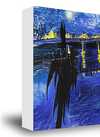
The Kiss
Reprodukcijos matmenys
Edvard Munch's 1892 painting, *The Kiss*, is not a depiction of blissful union, but rather a profound exploration of the complexities inherent in human connection – desire, longing, and an underlying sense of melancholy. This work, rendered with striking intimacy, stands as a pivotal example of Symbolism’s influence on the burgeoning Expressionist movement.
The painting presents a couple locked in a close embrace, their forms almost entirely enveloped by shadow. Crucially, their faces are obscured, merging into one another to such an extent that individual identity seems to dissolve within the act of kissing. This isn’t a portrait of two distinct people, but rather a representation of the *experience* of intimacy itself – a blurring of boundaries and a temporary loss of self. A sliver of light from a window illuminates the scene, yet fails to dispel the pervasive darkness that surrounds them, hinting at the anxieties and uncertainties that often accompany love.
Created during a period of significant artistic transition, *The Kiss* reflects the influence of Symbolism. Emerging in the late 19th century as a reaction against Realism and Impressionism, Symbolism sought to express subjective experiences and inner realities through evocative imagery and suggestive forms. Munch was also deeply impacted by the philosophical currents of his time – particularly the nihilistic ideas prevalent in bohemian circles – which fueled his exploration of themes like mortality, anxiety, and alienation.
The merging of faces is perhaps the most potent symbol within the painting. It suggests not only physical intimacy but also an emotional and psychological fusion – a desire to lose oneself in another. However, this union isn’t presented as purely idyllic. The surrounding darkness and the almost claustrophobic composition hint at the potential for loss of individuality and the inherent anxieties that accompany deep connection. The window, offering a glimpse of the outside world, could symbolize the isolation experienced even within intimacy.
*The Kiss* is a deeply affecting work that resonates with viewers on a visceral level. It taps into universal emotions – desire, longing, vulnerability – and presents them in a raw and honest manner. Munch’s ability to convey such profound emotional depth through his unique artistic language cemented his place as a pivotal figure in modern art, paving the way for the Expressionist movement and influencing generations of artists to come.
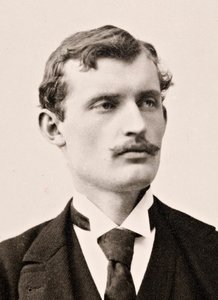
1863 - 1944 , Švedija

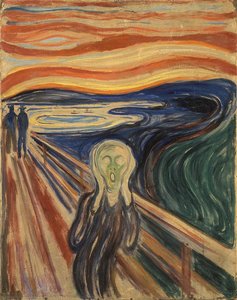
Explore 10 powerful artworks – from Van Gogh's Starry Night to Munch’s The Scream – that ignite deep emotions. Discover the stories behind these iconic paintings & find museum-quality art reproductions for your home at .
Explore 10 legendary 'Acrylic On Canvas' masterpieces by artists like Rothko, Warhol & Frankenthaler. Discover the stories behind these iconic paintings and their impact on modern art. Find museum-quality reproductions at – elevate your home with timeless beauty.

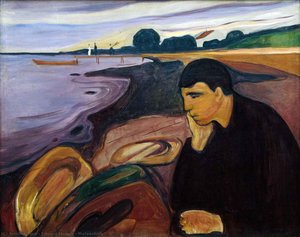
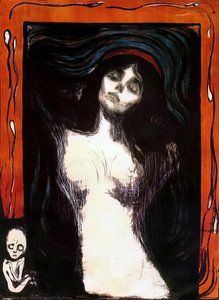
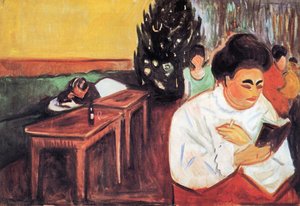
Atraskite 25 įspūdingiausius Edvard Munch šedevrus! Išsami informacija apie aliejaus tapybą, ekspresionizmą ir jo paveikslų istoriją. Meno reprodukcijos interjerui – BuyPopArt.com

Explore the profound world of Edvard Munch, pioneer of Expressionism. Discover the origins of 'The Scream' & his haunting depictions of anxiety, mortality, and love. Expert analysis & high-quality reproductions at BuyPopArt.

Explore the powerful world of Expressionism! Discover key artists like Kirchner & Nolde, understand its emotional impact, and learn about this revolutionary art movement's lasting legacy. Expert insights for collectors & enthusiasts.


Sekite naujausias meno naujienas, išskirtinius pasiūlymus ir dekoravimo idėjas.
Pasakokite mums apie savo projektą, o mūsų meno ekspertai parengs jums 3 asmeniškus meno pasiūlymus.
Leiskite mums parinkti 3 variantus būtent jums – nemokamai!


 Peržiūrėti realybėje
 Pasidalinti
 Dalintis
 Išsamiau

 Atsisiųsti
 Panašūs eksponatai
 Rentgeno nuotrauka
 Automatinė diorama

 Skaityti daugiau
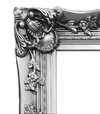
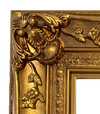
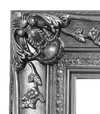
 Stiklo variantas prieinamas tik pasirinkus dydį iki 110 cm