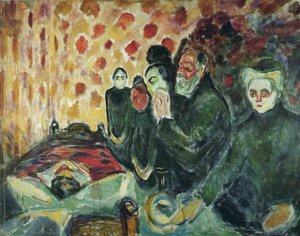
Muziejų lygio „giclée“ arba drobos spausdinimas: greita gamyba ir lankstios apdailos parinktys. ( Pirkti rankomis tapytą paveikslą Pirkti vaizdą)





























Pasirinkite iš mūsų nustatytų dydžių, atitinkančių originalaus meno kūrinio proporcijas.

Galite nurodyti savo matmenis, kad vaizdas atitiktų konkretų rėmą ar erdvę. Jei pasirinktas dydis nesutaps su originalaus paveikslėlio proporcijomis, mes arba apkirpsime kūrinį, arba išplėsime vaizdą naudojant veideliu atspindėtą arba vientisą šoną. Skaitmeninis maketas bus išsiųstas jums patvirtinti prieš pradedant gamybą.
Atkreipkite dėmesį, kad ekrane matomas vaizdinys neatspindi tikrojo apkirpimo ar išplėtimo. Tik maketas tiksliai parodytų galutinę kompoziciją.
Nors galima rinktis ir individualius dydžius, rekomenduojame pasirinkti vieną iš išanksti nustatytų matmenų, kad būtų išlaikytos originalios proporcijos.
Pristatymas visame pasaulyje () per 2 weeks, o ne įprastas 4/5 savaičių laikotarpis. (14 rugpjūtis)


the kiss
Reprodukcijos matmenys
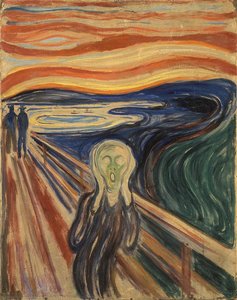
Edvard Munch’s “The Kiss” (1897) isn't merely a depiction of romantic embrace; it’s a profound exploration of isolation, vulnerability, and the unsettling undercurrents of human connection. Painted during a period of intense personal turmoil for the artist – marked by illness, loss, and a pervasive sense of dread – the work transcends simple representation to become a visceral embodiment of Munch's psychological landscape. The scene unfolds within a deliberately ambiguous space, shrouded in darkness that seems to press inward, mirroring the characters’ internal states. The figures are not presented as actively engaged in a joyful union, but rather caught in a moment of suspended animation, almost adrift in an undefined realm. This deliberate lack of clarity invites viewers to project their own anxieties and desires onto the scene, transforming it into a mirror reflecting the complexities of human relationships.

Munch’s artistic choices are laden with symbolic weight. The figures, rendered in a strikingly simplified style—almost skeletal—suggest a stripping away of individuality, hinting at a loss of self within the embrace. Their faces, merging into one indistinct form, represent not just unity but also a potential dissolution of boundaries, a blurring of identities that speaks to the anxieties surrounding intimacy and the fear of being consumed by another. The dark background, devoid of any discernible features, amplifies this sense of isolation, creating an atmosphere of claustrophobia and unease. Notably, Munch included three figures in the periphery – a young man, a woman, and a child – adding layers of narrative ambiguity. These additional characters could represent past loves, future anxieties, or perhaps simply the ghosts of memory haunting the couple’s present moment. The presence of these figures suggests that the kiss is not an escape from loneliness but rather a confrontation with it.
“The Kiss” firmly establishes Munch as a pivotal figure in the burgeoning Symbolist movement, yet its emotional intensity transcends mere stylistic adherence. It’s deeply rooted in the tenets of Expressionism—a philosophy that sought to convey subjective experience rather than objective reality. Munch wasn't interested in capturing a literal likeness; he aimed to externalize his inner turmoil, translating his personal demons into visual form. His childhood experiences – the early deaths of his mother and sister from tuberculosis, his father’s rigid religious beliefs, and his own struggles with mental illness—all contributed to this preoccupation with mortality, sickness, and the fragility of human existence. The painting is a testament to Munch's ability to transform personal suffering into universal themes, resonating powerfully across generations.
BuyPopArt offers meticulously crafted hand-painted reproductions of Edvard Munch’s “The Kiss,” allowing you to bring this emotionally charged masterpiece into your home or office. Our skilled artists replicate the painting's distinctive style, capturing the subtle nuances of color, texture, and composition with remarkable accuracy. More than just a visual copy, each reproduction serves as a conduit for experiencing the painting’s profound emotional impact—a reminder of the complexities of human connection, the weight of personal history, and the enduring power of art to illuminate the darkest corners of the human psyche. Explore our range of sizes and materials to find the perfect rendition that speaks to your individual taste and aesthetic sensibility. Discover more about this iconic artwork.
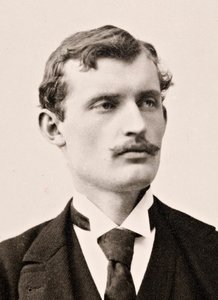
1863 - 1944 , Švedija

Unleash raw emotion in your space. Explore the high-impact world of Expressionism through BuyPopArt.com’s premium hand-painted oil reproductions and custom photo transformations. Bold, confident, and curated for those who live for visual impact. Shop the revolution today!

Explore the evolution of Gothic vibes, from historical shadows to bold modern edge. Discover how dark aesthetics, noir interiors, and contemporary subcultures are redefining modern design through a high-impact, trend-focused lens.


Sekite naujausias meno naujienas, išskirtinius pasiūlymus ir dekoravimo idėjas.
Pasakokite mums apie savo projektą, o mūsų meno ekspertai parengs jums 3 asmeniškus meno pasiūlymus.
Leiskite mums parinkti 3 variantus būtent jums – nemokamai!


 Peržiūrėti realybėje
 Pasidalinti
 Dalintis
 Išsamiau

 Atsisiųsti
 Panašūs eksponatai
 Rentgeno nuotrauka
 Automatinė diorama

 Skaityti daugiau







 Stiklo variantas prieinamas tik pasirinkus dydį iki 110 cm