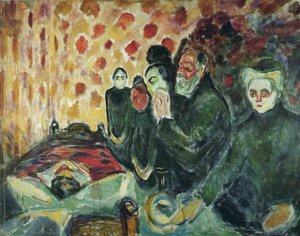
Rankiniu būdu tapytas aliejus ant droblio jūsų pageidaujamame dydį ir rėmuose – mūsų menininkų darbas pagal užsakymą. ( Pirkti spaudinį Pirkti vaizdą)





























Pasirinkite iš mūsų nustatytų dydžių, atitinkančių originalaus meno kūrinio proporcijas.

Galite įvesti savo matmenis, kad jie atitiktų konkretų rėmą ar erdvę. Jei pasirinktas dydis neatitinka originalaus paveikslėlio proporcijų, mes arba apkropsime meno kūrinį, arba papildysime tapybą rankomis dažytい elementais. Prieš pradėdami gamybą, jūsų patvirtinimui atsiųsime skaitmeninį maketą.
Atkreipkite dėmesį, kad ekrane rodomas vaizdas neatspindi tikrojo apkarpymo ar papildymo. Tik maketas tiksliai parodys galutinę kompoziciją.
Nors galima rinktis ir individualius dydžius, rekomenduojame pasirinkti matmenis iš nustatytos sąrašo, kad būtų išlaikytos originalios proporcijos.
Pristatymas visame pasaulyje () per 3–4 savaites, o ne įprastai – per 5 savaites. (16 rugpjūtis). Kokybė lieka nepakeičiama.


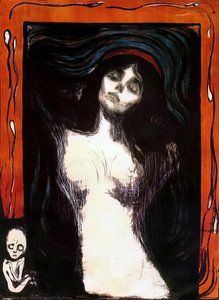
untitled (1774)
Reprodukcijos matmenys
Edvard Munch's *Untitled* (1774), a stark black and white depiction of a woman consumed by anguish, stands as a cornerstone of Expressionism—a movement that sought to convey inner emotional experience rather than objective reality. Created around 1893, this haunting image transcends mere visual representation; it’s an invitation into the artist's tormented psyche and a powerful reflection of anxieties prevalent in late nineteenth-century Europe.
Munch's artistic vision was profoundly shaped by his personal experiences—particularly the early deaths of his mother and sister from tuberculosis – fueling a lifelong preoccupation with mortality and illness. He wrestled with mental instability throughout his life, mirroring the anxieties of an era grappling with rapid industrialization, urbanization, and philosophical shifts questioning traditional beliefs.
The painting’s genesis coincided with Munch's exploration of Symbolism alongside Expressionism. Influenced by artists like Gustave Moreau and James Abbott McNeill Whistler, Munch sought to communicate feelings beyond the literal surface, utilizing visual metaphors to evoke profound psychological states. The inclusion of birds—two perched on either side of the woman—adds a layer of symbolic richness.
The bird imagery is particularly significant. Often interpreted as representing freedom and hope amidst despair, these avian figures serve as visual counterpoints to the woman’s distress. Their placement underscores Munch's desire to convey not just sorrow but also a yearning for transcendence—a recognition of beauty and resilience even in the face of suffering.
*Untitled* (1774) continues to resonate powerfully with viewers today because it captures something fundamental about the human condition: the inescapable awareness of mortality, vulnerability, and the struggle to find meaning amidst chaos. It’s a testament to Munch's ability to transform personal trauma into universal artistic expression—a legacy celebrated by institutions like The Munch Museum and explored in insightful articles such as “Edvard Munch: Anxiety, Modernity & the Dawn of Expressionism.”
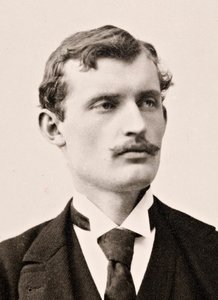
1863 - 1944 , Švedija

Master the monochrome aesthetic with high-impact Black & White art from BuyPopArt.com. From custom hand-painted oils to iconic pop culture remixes, discover the ultimate design flex for your urban space. Elevate your decor with bold, premium, and timeless monochrome masterpieces.

Discover why black & white photography remains a powerful force in contemporary art. Explore the impact of light, shadow, and texture through a visual journey of monochrome mastery and learn how to elevate your space with timeless grayscale aesthetics.

Level up your space with the ultimate design flex: Bold Monochrome Art. 🖤 Discover why high-contrast, black & white aesthetics are dominating trend forecasts. From abstract shadows to custom B&W oil masterpieces, find your next high-impact statement piece at BuyPopArt.com.


Sekite naujausias meno naujienas, išskirtinius pasiūlymus ir dekoravimo idėjas.
Pasakokite mums apie savo projektą, o mūsų meno ekspertai parengs jums 3 asmeniškus meno pasiūlymus.
Leiskite mums parinkti 3 variantus būtent jums – nemokamai!


 Peržiūrėti realybėje
 Pasidalinti
 Dalintis
 Išsamiau

 Atsisiųsti
 Panašūs eksponatai
 Rentgeno nuotrauka
 Automatinė diorama

 Skaityti daugiau







 Stiklo variantas prieinamas tik pasirinkus dydį iki 110 cm