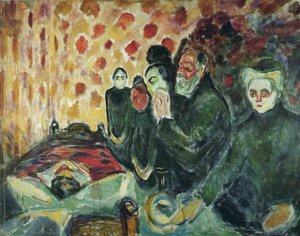
Rankiniu būdu tapytas aliejus ant droblio jūsų pageidaujamame dydį ir rėmuose – mūsų menininkų darbas pagal užsakymą. ( Pirkti spaudinį Pirkti vaizdą)





























Pasirinkite iš mūsų nustatytų dydžių, atitinkančių originalaus meno kūrinio proporcijas.

Galite įvesti savo matmenis, kad jie atitiktų konkretų rėmą ar erdvę. Jei pasirinktas dydis neatitinka originalaus paveikslėlio proporcijų, mes arba apkropsime meno kūrinį, arba papildysime tapybą rankomis dažytい elementais. Prieš pradėdami gamybą, jūsų patvirtinimui atsiųsime skaitmeninį maketą.
Atkreipkite dėmesį, kad ekrane rodomas vaizdas neatspindi tikrojo apkarpymo ar papildymo. Tik maketas tiksliai parodys galutinę kompoziciją.
Nors galima rinktis ir individualius dydžius, rekomenduojame pasirinkti matmenis iš nustatytos sąrašo, kad būtų išlaikytos originalios proporcijos.
Pristatymas visame pasaulyje () per 3–4 savaites, o ne įprastai – per 5 savaites. (14 rugpjūtis). Kokybė lieka nepakeičiama.


untitled (3692)
Reprodukcijos matmenys
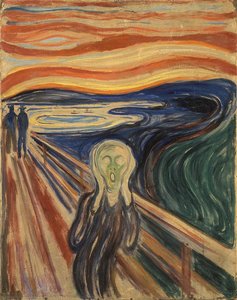
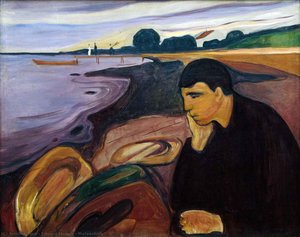
Edvard Munch’s “Untitled,” created around 1893, stands as a cornerstone of Expressionism and arguably one of the most recognizable images in modern art. More than just a depiction of a man beneath a tree, it's a visceral portrayal of psychological distress—a landscape infused with anxiety and grief that continues to resonate powerfully with audiences today.
The painting’s stark simplicity belies its profound emotional depth. Munch employs a muted palette dominated by earthy tones – browns, ochres, and grays – mirroring the desolate atmosphere he sought to convey. Thick brushstrokes contribute to a textured surface that captures the turbulent emotions simmering beneath the surface of the scene. This technique—characteristic of Expressionist painters—prioritized conveying feeling over precise representation.
Munch’s artistic vision stemmed directly from his own experiences with illness and loss, notably the early deaths of his mother and sister from tuberculosis. These formative traumas fueled a preoccupation with mortality and psychological vulnerability that permeates his oeuvre. “Untitled” isn't merely a visual observation; it’s an embodiment of Munch’s internal struggle—a reflection of his profound fear of death and decay.
The central figure, positioned beneath the tree, embodies this anguish. His posture—hunched shoulders, outstretched hand—communicates vulnerability and despair. The cane symbolizes fragility and reliance on support, mirroring the artist's own precarious mental state. Above him, two birds soar against a turbulent sky, representing hope amidst darkness – yet their presence feels tenuous, almost illusory.
“Untitled” emerged during a period of significant artistic and intellectual upheaval—the burgeoning Expressionist movement challenged the conventions of Impressionism and championed subjective experience. Artists like Munch sought to depict inner emotions rather than external appearances, rejecting academic ideals in favor of raw honesty. This painting exemplifies the movement’s core tenets: prioritizing emotion over rational observation and utilizing bold color palettes and expressive brushstrokes to convey psychological states.
Its enduring appeal lies not only in its visual impact but also in its ability to tap into universal anxieties about existence. “Untitled” remains a haunting reminder of the human condition—a testament to Munch’s genius in transforming personal trauma into an iconic symbol of artistic innovation and emotional truth.
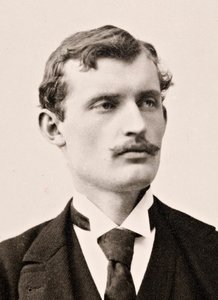
1863 - 1944 , Švedija

Atraskite 25 įspūdingiausius Edvard Munch šedevrus! Išsami informacija apie aliejaus tapybą, ekspresionizmą ir jo paveikslų istoriją. Meno reprodukcijos interjerui – BuyPopArt.com

Explore the profound world of Edvard Munch, pioneer of Expressionism. Discover the origins of 'The Scream' & his haunting depictions of anxiety, mortality, and love. Expert analysis & high-quality reproductions at BuyPopArt.

Atraskite ekspresionizmo šedevrus! 10 įtakingiausių meno kūrinių, atskleisiančių Muncho, Kirchnerio ir kitų meistrų emocijas. Išmokite apie tapybos stilius bei spalvų paletę. Aukščiausios kokybės dailės reprodukcijos jūsų namams – BuyPopArt.com.
Journey through 10 breathtaking landscape paintings by Monet, Van Gogh & more! Explore iconic artworks, artistic techniques & find inspiration for your home decor. Museum-quality reproductions at BuyPopArt.com. Discover all masterpieces on BuyPopArt.com

Explore the history of serene landscapes in art! Discover renowned artists like Monet & Munch, movements from Impressionism to Tonalism, and find the perfect piece to bring tranquility to your home. Expert insights at BuyPopArt.


Sekite naujausias meno naujienas, išskirtinius pasiūlymus ir dekoravimo idėjas.
Pasakokite mums apie savo projektą, o mūsų meno ekspertai parengs jums 3 asmeniškus meno pasiūlymus.
Leiskite mums parinkti 3 variantus būtent jums – nemokamai!


 Peržiūrėti realybėje
 Pasidalinti
 Dalintis
 Išsamiau

 Atsisiųsti
 Panašūs eksponatai
 Rentgeno nuotrauka
 Automatinė diorama
 Skaityti daugiau







 Stiklo variantas prieinamas tik pasirinkus dydį iki 110 cm