


Įsigykite aukštos skiriamosios raiškos, patobulintą skaitmeninį vaizdą, gerokai pranašesnį už internetinę peržiūrą.
Kiekvieną failą mūsų specialistai kruopščiai paruošia naudojant pažangias technologijas ir profesionalų rankinį retušavimą. Užtikriname, kad kiekvienas vaizdas pasižymėtų išskirtiniu aiškumu, tikslia spalvų atspalviu ir smulkiomis detalėmis.
Baigiamas failas el. paštu pristatomas per 72 valandas; jis optimizuotas nedelsiant naudojimui profesionalioje, redakcinėje ir spausdinimo aplinkoje. Tai ta pati kokybė, kuria pasitiki aukščiausios klasės dizaino studijos, leidyklos ir galerijos.
Atsisiųskite didelės raiškos failą asmeniniam naudojimui, spausdinimui ir kūrybiniams projektams. ( Perejti prie spausdinimo Perejti prie rankinio darbo paveikslėlio)
Pasirinkę BuyPopArt.com, jūs ne tik gaunate paveikslėlį – jūs gaunate profesionaliai patobudintą skaitmeninį kūrinį, sukurtą itin tikniai ir užtikrinantį pasitenkinimą. Štai viską, kas automatiškai pritékia jūsų užsakymui:

Jūsų aukštos raiškos skaitmeninis vaizdo failas bus išsiųstas jums el. paštu per 72 valaudas nuo užsakymo – paruoštas naudojimui be jokių papildomų veiksmų.

Jūsų meno kūrinys profesionaliai optimizuojamas naudojant pažangius dirbtinio intelekto įrankius ir rankinį redagavimą, užtikrinant maksimalią detalę, aiškumą ir spalvų tikslumą.

Atsitiktinai ištrytikote ar praradote savo failą? Nebijokite – bet kuriuo metu atsiųsime jį jums vėl nemokamai.

Mėgaukitės savo meno kūriniu akimirka – skaitiniai failai visada yra neapmokestinami, todėl nereikės mokėti muitinės, mokesčių ar pristatymo mokesčių.

Naudodami profesionalią įrangą ir spalvų valdymo sistemas, užtikriname, kad jūsų skaitmeninis vaizdas kuo tiksliau atspindėtų originalias spalvas.

Jei nebuvate patenkinti savo skaitinio vaizdo, per 60 dienų jį pertaisysime arba grąkinsime 100% sumą – be jokių klausimų.

Nepat 만족inti? Gaukite visą sumokėtą sumą per 60 dienų nuo skaitmeninio failo gavimo – be jokių papildomų klausimų.

Pirkti 3 nuotraukas – pasiūla 10% - Pirkti 5 – pasiūla 15% - Pirkti 10 ir daugiau – pasiūla 20%. Puikiai tinka kūrybiniams projektams, galerijoms bei agentūroms.
Edvard Munch’s untitled work, cataloged as (6625), presents a deceptively simple scene – a large red house with crisp white trim standing beside a road. Yet, within this seemingly straightforward depiction lies the potent emotional undercurrent characteristic of Munch's oeuvre. The painting isn’t merely a representation of architecture; it is an evocation of atmosphere, a quiet narrative steeped in the anxieties and introspections that defined the artist’s life and work. The house itself dominates the composition, its numerous windows hinting at lives unfolding within, some open as if inviting observation, others closed, guarding secrets. A solitary tree stands sentinel before it, grounding the scene while simultaneously adding a touch of melancholy. The presence of two figures, one positioned to the left and another to the right, introduces a human element, suggesting movement and perhaps even a sense of passing time or fleeting encounters.
To understand this painting, we must consider the biographical context that so profoundly shaped Munch’s artistic vision. Born in 1863, his childhood was marked by tragedy – the early loss of his mother and sister to tuberculosis cast a long shadow over his life, instilling within him a deep preoccupation with mortality, illness, and psychological distress. These themes would become central to his art, manifesting not as explicit depictions of suffering but rather as subtle expressions of anxiety and existential unease. While this particular work doesn’t possess the overt emotional intensity of *The Scream*, it shares that painting's underlying sense of isolation and vulnerability. The red house, a symbol often associated with warmth and domesticity, feels strangely detached, almost spectral in its stillness. Munch’s exposure to nihilist philosophy through Hans Jæger further encouraged him to explore his inner turmoil, rejecting conventional artistic norms in favor of expressing raw emotional truth.
Though details regarding the specific technique employed in this painting remain unknown due to its lack of detailed documentation, we can infer certain aspects based on Munch’s established practices. He was a master of manipulating color to convey emotion, often employing bold, non-naturalistic hues to create a sense of psychological tension. The dominant red of the house is particularly significant; it's a color that evokes passion, danger, and even violence – emotions that frequently simmer beneath the surface of Munch’s work. The contrast with the stark white trim heightens this effect, creating a visual dynamic that draws the eye and amplifies the painting’s emotional impact. The brushwork is likely loose and expressive, characteristic of his style, prioritizing feeling over precise representation. It's a technique designed to bypass intellectual analysis and speak directly to the viewer’s subconscious.
Edvard Munch stands as a pivotal figure in the development of Expressionism, an artistic movement that sought to convey subjective experience rather than objective reality. His work anticipated many of the anxieties and uncertainties of the 20th century, reflecting a growing sense of alienation and disillusionment in the face of rapid social change. While *untitled (6625)* may not be as immediately recognizable as some of his more famous works, it embodies the same core principles – a focus on inner emotional states, a rejection of traditional artistic conventions, and a willingness to confront difficult truths about the human condition. This painting offers a quiet moment for contemplation, inviting viewers to project their own feelings onto the scene and find resonance within its subtle yet powerful imagery. It is a testament to Munch’s ability to transform an ordinary subject into a profound exploration of the modern psyche.
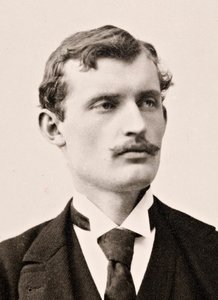
1863 - 1944 , Švedija


Sekite naujausias meno naujienas, išskirtinius pasiūlymus ir dekoravimo idėjas.
Pasakokite mums apie savo projektą, o mūsų meno ekspertai parengs jums 3 asmeniškus meno pasiūlymus.
Leiskite mums parinkti 3 variantus būtent jums – nemokamai!


 Peržiūrėti realybėje
 Pasidalinti
 Dalintis
 Išsamiau

 Atsisiųsti
 Panašūs eksponatai
 Rentgeno nuotrauka
 Automatinė diorama
 Skaityti daugiau