
x


 Pirkti atspaudą Užsisakyti kopiją
 Pasidalinti
 Išsamiau
 Pridėti į mėgstamiausius
 Atsisiųsti
 Panašūs eksponatai
 Rentgeno nuotrauka
 Automatinė diorama
Įsigykite aukštos skiriamosios raiškos, patobulintą skaitmeninį vaizdą, gerokai pranašesnį už internetinę peržiūrą.
Kiekvieną failą mūsų specialistai kruopščiai paruošia naudojant pažangias technologijas ir profesionalų rankinį retušavimą. Užtikriname, kad kiekvienas vaizdas pasižymėtų išskirtiniu aiškumu, tikslia spalvų atspalviu ir smulkiomis detalėmis.
Baigiamas failas el. paštu pristatomas per 72 valandas; jis optimizuotas nedelsiant naudojimui profesionalioje, redakcinėje ir spausdinimo aplinkoje. Tai ta pati kokybė, kuria pasitiki aukščiausios klasės dizaino studijos, leidyklos ir galerijos.
Atsisiųskite didelės raiškos failą asmeniniam naudojimui, spausdinimui ir kūrybiniams projektams.
Pasirinkę BuyPopArt.com, jūs ne tik gaunate paveikslėlį – jūs gaunate profesionaliai patobudintą skaitmeninį kūrinį, sukurtą itin tikniai ir užtikrinantį pasitenkinimą. Štai viską, kas automatiškai pritékia jūsų užsakymui:

Jūsų aukštos raiškos skaitmeninis vaizdo failas bus išsiųstas jums el. paštu per 72 valaudas nuo užsakymo – paruoštas naudojimui be jokių papildomų veiksmų.

Jūsų meno kūrinys profesionaliai optimizuojamas naudojant pažangius dirbtinio intelekto įrankius ir rankinį redagavimą, užtikrinant maksimalią detalę, aiškumą ir spalvų tikslumą.

Atsitiktinai ištrytikote ar praradote savo failą? Nebijokite – bet kuriuo metu atsiųsime jį jums vėl nemokamai.

Mėgaukitės savo meno kūriniu akimirka – skaitiniai failai visada yra neapmokestinami, todėl nereikės mokėti muitinės, mokesčių ar pristatymo mokesčių.

Naudodami profesionalią įrangą ir spalvų valdymo sistemas, užtikriname, kad jūsų skaitmeninis vaizdas kuo tiksliau atspindėtų originalias spalvas.

Jei nebuvate patenkinti savo skaitinio vaizdo, per 60 dienų jį pertaisysime arba grąkinsime 100% sumą – be jokių klausimų.

Nepat 만족inti? Gaukite visą sumokėtą sumą per 60 dienų nuo skaitmeninio failo gavimo – be jokių papildomų klausimų.

Pirkti 3 nuotraukas – pasiūla 10% - Pirkti 5 – pasiūla 15% - Pirkti 10 ir daugiau – pasiūla 20%. Puikiai tinka kūrybiniams projektams, galerijoms bei agentūroms.
Edward Hopper’s “Manhattan Bridge Loop,” completed in 1928, isn't merely a depiction of a New York City street; it’s a masterful distillation of the anxieties and quiet contemplations characteristic of the Jazz Age. This iconic painting transcends its visual simplicity to deliver a profound statement about human experience within the sprawling metropolis.
The canvas captures an early morning scene overlooking Manhattan Bridge, bathed in diffused light that casts long shadows across the pavement. Hopper meticulously renders the architectural details – the brick building on the left and the towering skyscraper on the right – creating a palpable sense of urban scale. Two figures occupy the frame: a solitary man walking away from the bridge, seemingly absorbed in his own thoughts, and another person positioned near the bottom-right corner, gazing out at the cityscape.
Hopper employed a distinctive style rooted in realism but imbued with an emotional resonance that distinguishes it from straightforward observation. His palette is muted—primarily browns, grays, and rusty hues—reflecting the bleakness of the urban environment. The artist skillfully utilizes chiaroscuro – dramatic contrasts between light and shadow – to heighten the sense of isolation and emphasize the figures’ vulnerability against the immensity of the cityscape. Hopper's brushstrokes are deliberate and controlled, conveying a stillness that invites contemplation.
“Manhattan Bridge Loop” emerged during a period marked by significant social and cultural shifts following World War I. The painting reflects the disillusionment felt by many Americans grappling with the loss of traditional values and facing an increasingly impersonal urban landscape. Hopper’s work aligns with the broader artistic movement known as American Regionalism, which sought to portray the realities of everyday life in rural America and urban centers alike.
Beyond its visual representation, “Manhattan Bridge Loop” operates on a symbolic level. The solitary man embodies the pervasive feeling of alienation that permeated modern society—a yearning for connection amidst overwhelming anonymity. Hopper’s careful positioning of the figures encourages viewers to consider their own role in observing and experiencing the world around them. The bridge itself serves as a visual metaphor for transition, separation, and perhaps even escape from the pressures of urban life.
"Manhattan Bridge Loop" lingers in the mind long after viewing it. Hopper’s masterful use of light and shadow evokes a palpable sense of melancholy—a quiet acknowledgement of solitude and the complexities of human emotion. It's a painting that invites introspection, prompting viewers to confront questions about identity, purpose, and the relationship between individuals and their surroundings. This enduring appeal testifies to Hopper’s ability to capture not just what he saw but also what he felt.
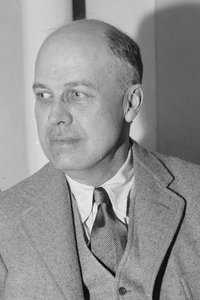
1931 - 1967 , JAV


Sekite naujausias meno naujienas, išskirtinius pasiūlymus ir dekoravimo idėjas.
Pasakokite mums apie savo projektą, o mūsų meno ekspertai parengs jums 3 asmeniškus meno pasiūlymus.
Leiskite mums parinkti 3 variantus būtent jums – nemokamai!


 Dalintis


 Skaityti daugiau