Akrilas ant drobėsSieninis menasmannerism
 1610Renesansas
 110.0 x 64.0 cm
 Metropolitano muziejus
Muziejų lygio „giclée“ arba drobos spausdinimas: greita gamyba ir lankstios apdailos parinktys. ( Perejti prie rankinio darbo paveikslėlio Perjungti į vaizdą)





























Pasirinkite iš mūsų nustatytų dydžių, atitinkančių originalaus meno kūrinio proporcijas.

Galite nurodyti savo matmenis, kad vaizdas atitiktų konkretų rėmą ar erdvę. Jei pasirinktas dydis nesutaps su originalaus paveikslėlio proporcijomis, mes arba apkirpsime kūrinį, arba išplėsime vaizdą naudojant veideliu atspindėtą arba vientisą šoną. Skaitmeninis maketas bus išsiųstas jums patvirtinti prieš pradedant gamybą.
Atkreipkite dėmesį, kad ekrane matomas vaizdinys neatspindi tikrojo apkirpimo ar išplėtimo. Tik maketas tiksliai parodytų galutinę kompoziciją.
Nors galima rinktis ir individualius dydžius, rekomenduojame pasirinkti vieną iš išanksti nustatytų matmenų, kad būtų išlaikytos originalios proporcijos.
Pristatymas visame pasaulyje () per 2 weeks, o ne įprastas 4/5 savaičių laikotarpis. (11 rugpjūtis)


Saint Andrew
Reprodukcijos matmenys
Doménikos Theotokópoulos, universally known as El Greco – “the Greek” – stands apart in the annals of art history as a painter who wrestled with both Byzantine tradition and Western innovation. Born in Crete in 1541, amidst the waning Venetian dominion, his artistic odyssey traversed Venice and Rome before anchoring him firmly in Spain’s Toledo, where he forged a singular style that foreshadowed the expressive fervor of Expressionism and the fractured perspectives of Cubism centuries hence.
El Greco wasn't merely responding to his surroundings; he actively synthesized them into something profoundly original. His early training within Byzantine iconography instilled in him meticulous detail and an acute understanding of religious symbolism—a foundation that wouldn’t confine him. He signed his canvases in Greek, appending “Krḗs” – Cretan – as a defiant assertion of his heritage, even as he embraced new artistic horizons.
The workshop replica of Saint Andrew, housed at The Metropolitan Museum of Art in New York, offers a glimpse into the artist’s masterful approach. Measuring 110 x 64 cm, it exemplifies El Greco's ability to fuse Byzantine solemnity with Western artistic experimentation.
Historical Context: This painting is a reflection of El Greco’s larger canvas, Saints Andrew and Francis (circa 1595), residing in Madrid’s Museo del Prado. The popularity of El Greco’s style during his lifetime underscores its enduring resonance. Saint Andrew's martyrdom—a poignant symbol of sacrifice for faith—is portrayed with palpable emotion.
Symbolism: The outstretched arms of Saint Andrew convey humility and supplication, while the two crosses he holds represent Christ’s crucifixion and symbolize redemption. The cloudy backdrop contributes to an atmosphere of spiritual contemplation.
El Greco's influence extends far beyond his own time. He is regarded as a precursor to movements like Expressionism and Cubism, inspiring artists and writers alike—Rainer Maria Rilke and Nikos Kazantzakis among them. Saint Andrew by El Greco remains an unforgettable testament to artistic genius and spiritual conviction.
For those seeking inspiration or contemplating acquiring a high-quality reproduction of this iconic artwork, further exploration into El Greco’s oeuvre is highly recommended.
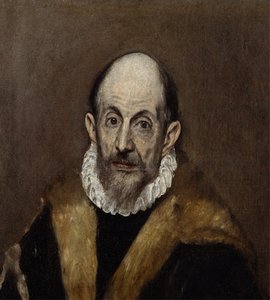
1541 - 1614 , Graikija

Atraskite 25 įspūdingiausius El Greco kūrinius! Išsami analizė, meno istorija ir technikos paslaptys. Renesanso meistro paveikslai jūsų interjerui – aukštos kokybės reprodukcijos BuyPopArt.com. Explore the full collection online!

Explore the captivating world of El Greco! Discover his unique style, spiritual intensity, and lasting impact on art history. Learn about this Renaissance master's life, iconic paintings & legacy.

Explore the rich history & techniques of oil painting – from Renaissance masters to Impressionism. Discover pigments, layering methods, and why this timeless medium endures. Expert insights for artists & art enthusiasts.

Explore the rich history & enduring techniques of oil painting with BuyPopArt. Discover masterpieces, learn about art collecting, and find authentic handmade reproductions crafted by skilled artists.

Explore the rich history & enduring techniques of oil painting on canvas. Discover the science behind its longevity, conservation practices, and contemporary relevance. Expert insights for art enthusiasts.


Sekite naujausias meno naujienas, išskirtinius pasiūlymus ir dekoravimo idėjas.
Pasakokite mums apie savo projektą, o mūsų meno ekspertai parengs jums 3 asmeniškus meno pasiūlymus.
Leiskite mums parinkti 3 variantus būtent jums – nemokamai!


 Peržiūrėti realybėje
 Pasidalinti
 Dalintis
 Išsamiau

 Atsisiųsti
 Panašūs eksponatai
 Rentgeno nuotrauka
 Automatinė diorama
 Skaityti daugiau







 Stiklo variantas prieinamas tik pasirinkus dydį iki 110 cm