WatercolorWallArtExpressionist
 1912Modern
 21.0 x 16.0 cm
Muziejų lygio „giclée“ arba drobos spausdinimas: greita gamyba ir lankstios apdailos parinktys. ( Pirkti rankomis tapytą paveikslą Pirkti vaizdą)





























Pasirinkite iš mūsų nustatytų dydžių, atitinkančių originalaus meno kūrinio proporcijas.

Galite nurodyti savo matmenis, kad vaizdas atitiktų konkretų rėmą ar erdvę. Jei pasirinktas dydis nesutaps su originalaus paveikslėlio proporcijomis, mes arba apkirpsime kūrinį, arba išplėsime vaizdą naudojant veideliu atspindėtą arba vientisą šoną. Skaitmeninis maketas bus išsiųstas jums patvirtinti prieš pradedant gamybą.
Atkreipkite dėmesį, kad ekrane matomas vaizdinys neatspindi tikrojo apkirpimo ar išplėtimo. Tik maketas tiksliai parodytų galutinę kompoziciją.
Nors galima rinktis ir individualius dydžius, rekomenduojame pasirinkti vieną iš išanksti nustatytų matmenų, kad būtų išlaikytos originalios proporcijos.
Pristatymas visame pasaulyje () per 2 weeks, o ne įprastas 4/5 savaičių laikotarpis. (13 rugpjūtis)


Dancer
Reprodukcijos matmenys
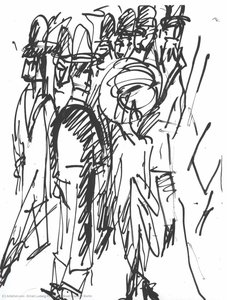
Ernst Ludwig Kirchner's “Dancer,” executed in 1912, is not merely a depiction of a figure; it’s an embodiment of the anxieties and restless energy that defined the burgeoning Expressionist movement. Measuring a modest 21 x 16 cm, this intimate sketch reveals a profound engagement with the emotional core of human experience, a characteristic hallmark of Kirchner's oeuvre. The artwork immediately arrests the viewer with its bold lines, vibrant yet unsettling color palette, and a deliberate distortion that speaks volumes about the artist’s subjective perception of reality. It’s a window into a soul grappling with the uncertainties of a rapidly changing world – a world mirrored in the fragmented forms and intense hues of this remarkable piece.
Kirchner’s color choices are far from arbitrary. The dominant blues, yellows, and reds – often associated with passion, anxiety, and even danger – create a visually arresting effect. The washes of yellow-green form the base, providing a stark contrast to the bold outlines of the dancer's figure. The strategic use of red for her hair and a small detail on her arm injects an element of dramatic intensity, hinting at both allure and potential peril. These colors aren’t used to represent reality; they are employed as vehicles for expressing profound emotional states.
Created in 1912, “Dancer” sits squarely within the heart of German Expressionism's formative years. Kirchner, along with artists like Emil Nolde and Max Pechstein, was part of a group challenging the prevailing artistic conventions of the time. Influenced by figures such as Albrecht Dürer, but rejecting academic realism, they sought to convey subjective experience through distorted forms and emotionally charged color palettes. This work reflects the broader societal anxieties of the early 20th century – concerns about industrialization, urbanization, and the perceived loss of traditional values – themes that would become central to Expressionist art.
"Dancer" resonates with a raw emotional power that continues to captivate viewers. The distorted forms, bold lines, and unsettling color palette evoke feelings of anxiety, tension, and dynamism—a testament to Kirchner’s ability to translate personal turmoil into universal artistic expression. This piece serves as a powerful reminder of the Expressionist movement's commitment to exploring the darker aspects of human experience, solidifying Kirchner’s place as one of the most significant figures in 20th-century art.

1880 - 1938 , Գերմանիա

Dive into the high-voltage world of Abstract Expressionism. Explore the raw energy of Action Painting and the legendary masters of the New York School through a visual journey of pure chaos and color. Discover how to bring bold, high-impact abstract art into your modern space.

Elevate your space with bold water landscapes and deep blue textures. Discover trending abstract art, from sculptural textiles to premium oil reproductions, designed to bring high-impact, liquid vibes to modern urban interiors.

Master the high-impact world of contemporary abstraction. Discover how bold colors, textures, and modern movements like Abstract Expressionism can transform your space with premium, high-energy art curated for the design-conscious professional.

Dive into the high-energy world of Lyrical Abstraction. Explore how bold colors, fluid motion, and emotional depth define this modern masterpiece movement. Discover iconic artists and learn to bring this vibrant, soulful energy into your contemporary space.

Dive into the raw power of Abstract Expressionism. Explore the high-octane energy of action painting and color field mastery. Discover how these bold, visceral movements redefine modern interiors with high-impact, premium abstract art for the contemporary collector.


Sekite naujausias meno naujienas, išskirtinius pasiūlymus ir dekoravimo idėjas.
Pasakokite mums apie savo projektą, o mūsų meno ekspertai parengs jums 3 asmeniškus meno pasiūlymus.
Leiskite mums parinkti 3 variantus būtent jums – nemokamai!


 Peržiūrėti realybėje
 Pasidalinti
 Dalintis
 Išsamiau

 Atsisiųsti
 Panašūs eksponatai
 Rentgeno nuotrauka
 Automatinė diorama
 Skaityti daugiau







 Stiklo variantas prieinamas tik pasirinkus dydį iki 110 cm