Muziejų lygio „giclée“ arba drobos spausdinimas: greita gamyba ir lankstios apdailos parinktys. ( Pirkti rankomis tapytą paveikslą Pirkti vaizdą)





























Pasirinkite iš mūsų nustatytų dydžių, atitinkančių originalaus meno kūrinio proporcijas.

Galite nurodyti savo matmenis, kad vaizdas atitiktų konkretų rėmą ar erdvę. Jei pasirinktas dydis nesutaps su originalaus paveikslėlio proporcijomis, mes arba apkirpsime kūrinį, arba išplėsime vaizdą naudojant veideliu atspindėtą arba vientisą šoną. Skaitmeninis maketas bus išsiųstas jums patvirtinti prieš pradedant gamybą.
Atkreipkite dėmesį, kad ekrane matomas vaizdinys neatspindi tikrojo apkirpimo ar išplėtimo. Tik maketas tiksliai parodytų galutinę kompoziciją.
Nors galima rinktis ir individualius dydžius, rekomenduojame pasirinkti vieną iš išanksti nustatytų matmenų, kad būtų išlaikytos originalios proporcijos.
Pristatymas visame pasaulyje () per 2 weeks, o ne įprastas 4/5 savaičių laikotarpis. (12 rugpjūtis)


Composition with compass1
Reprodukcijos matmenys
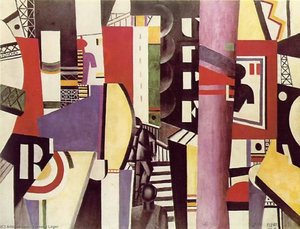
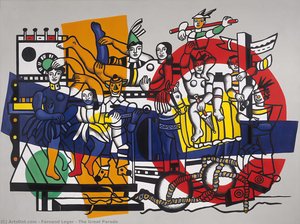
Fernand Léger’s “Composition with Compass,” painted in 1923, isn't merely a depiction of industrial objects; it’s an ambitious manifesto for the visual language of modernity. Created during the height of Surrealism’s influence but firmly rooted in Léger’s own distinctive aesthetic, this artwork transcends simple representation to convey a profound sense of dynamism and geometric precision.
Léger rejected the prevailing trend toward pure abstraction championed by artists like Picasso and Mondrian. Instead, he meticulously observed the forms of machines – scissors, pliers, wrenches – transforming them into stylized geometric shapes. The painting utilizes a bold palette dominated by blues and reds, colors traditionally associated with industrial environments. Léger’s technique involved applying thick impasto—heavy layers of paint—creating palpable texture that emphasizes the materiality of his subjects.
Painted in 1923, “Composition with Compass” emerged from a period marked by rapid industrial expansion and growing anxieties about societal transformation. While Léger distanced himself from Surrealist dogma, the movement’s fascination with subconscious imagery undoubtedly informed his approach to visual language. The artwork reflects the broader cultural preoccupation with capturing the essence of the machine age—a quest for new forms of expression that could communicate the speed and complexity of the burgeoning industrial landscape.
Beyond its literal depiction of mechanical tools, “Composition with Compass” carries symbolic weight. The compass itself represents orientation and direction – mirroring Léger’s desire to chart a new course for art. The scattered geometric shapes convey movement and energy, symbolizing the relentless pace of industrial progress. Even the color choices—blue representing stability amidst chaos—suggest a carefully considered visual narrative.
"Composition with Compass" isn't intended to evoke sentimental contemplation; rather, it aims to instill a feeling of exhilaration and conviction. Léger’s masterful manipulation of form and color succeeds in conveying the spirit of an era—a time of unprecedented technological innovation and cultural upheaval. The artwork remains powerfully relevant today as a testament to the enduring capacity of art to capture both the observable world and its underlying emotional currents.
A reproduction of “Composition with Compass” offers an exceptional opportunity to experience Léger’s groundbreaking vision firsthand. Its striking geometric abstraction and vibrant color palette continue to inspire artists and collectors alike.

1881 - 1955 , Prancūzija
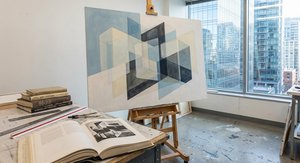
Explore the captivating world of geometric abstraction! Discover its origins, key artists like Malevich & Mondrian, and why this movement remains highly valued by art collectors today. Expert insights at BuyPopArt.
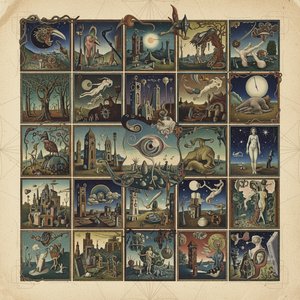
Atraskite 25 įspūdingiausius Max Ernst kūrinius – nuo dadaizmo iki surrealizmo. Tapybos meistriškumas, psichologinis realizmas ir unikalios technikos. Įkvėpkite interjerui su BuyPopArt.com reprodukcijomis! Explore the full collection online.

Explore the revolutionary world of Early Modernism! Discover key artists like Picasso & Léger, pivotal movements, and lasting philosophical influences. Uncover the seeds of change that shaped 20th-century art.

Explore the evolution of compositional strategies in Western art! Discover how masters like Raphael & Zurbaran used perspective, proportion, and dynamic arrangement to create timeless masterpieces. Enhance your art appreciation today!

Atraskite 10 legendinių kubizmo šedevrų! Pažinkite Picassą, Braką ir kitus menininkus. Sužinokite apie spalvas, stilių bei meno istoriją. Aukštos kokybės dailės reprodukcijos jūsų interjerui – BuyPopArt.com.


Sekite naujausias meno naujienas, išskirtinius pasiūlymus ir dekoravimo idėjas.
Pasakokite mums apie savo projektą, o mūsų meno ekspertai parengs jums 3 asmeniškus meno pasiūlymus.
Leiskite mums parinkti 3 variantus būtent jums – nemokamai!


 Peržiūrėti realybėje
 Pasidalinti
 Dalintis
 Išsamiau

 Atsisiųsti
 Panašūs eksponatai
 Rentgeno nuotrauka
 Automatinė diorama
 Skaityti daugiau







 Stiklo variantas prieinamas tik pasirinkus dydį iki 110 cm