Acrylic On CanvasWallArtCubist Style
 1929Modern
 30.0 x 22.0 cm
Muziejų lygio „giclée“ arba drobos spausdinimas: greita gamyba ir lankstios apdailos parinktys. ( Perejti prie rankinio darbo paveikslėlio Perjungti į vaizdą)





























Pasirinkite iš mūsų nustatytų dydžių, atitinkančių originalaus meno kūrinio proporcijas.

Galite nurodyti savo matmenis, kad vaizdas atitiktų konkretų rėmą ar erdvę. Jei pasirinktas dydis nesutaps su originalaus paveikslėlio proporcijomis, mes arba apkirpsime kūrinį, arba išplėsime vaizdą naudojant veideliu atspindėtą arba vientisą šoną. Skaitmeninis maketas bus išsiųstas jums patvirtinti prieš pradedant gamybą.
Atkreipkite dėmesį, kad ekrane matomas vaizdinys neatspindi tikrojo apkirpimo ar išplėtimo. Tik maketas tiksliai parodytų galutinę kompoziciją.
Nors galima rinktis ir individualius dydžius, rekomenduojame pasirinkti vieną iš išanksti nustatytų matmenų, kad būtų išlaikytos originalios proporcijos.
Pristatymas visame pasaulyje () per 2 weeks, o ne įprastas 4/5 savaičių laikotarpis. (10 rugpjūtis)


Draft costume (Front)
Reprodukcijos matmenys
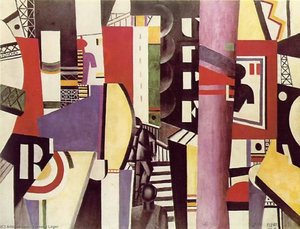
This striking 1929 work by Fernand Léger, titled ‘Draft Costume (Front)’, offers a compelling glimpse into the artist's pivotal role in bridging the gap between traditional representation and the burgeoning aesthetic of Cubism. Measuring 30 x 22 cm, this intimate portrait captures a moment of deliberate pose, a man rendered with a bold geometric vocabulary that speaks directly to the dynamism of the machine age. Léger’s approach wasn’t simply about depicting objects; he sought to *interpret* their essence – the raw power and structured logic of industrial forms – through a uniquely expressive visual language.
Created during a period of intense artistic experimentation, ‘Draft Costume (Front)’ exemplifies Léger’s signature Cubist style. Rejecting the purely abstract tendencies that sometimes characterized the movement, Léger retained a recognizable human figure – albeit radically fragmented and reassembled. The subject's red shirt, punctuated by stark black squares, becomes a deliberate construction, echoing the repetitive patterns found in factory machinery and urban landscapes. This isn’t a naturalistic depiction; it’s an *analysis* of form, broken down into its fundamental geometric components and then rebuilt with a heightened sense of energy and movement. The artist's use of color is equally significant – the vibrant red contrasts sharply with the black, intensifying the visual impact and further emphasizing the subject’s deliberate pose.
Léger’s artistic trajectory was profoundly shaped by the rapid industrialization sweeping across Europe in the early 20th century. Born in Argentan, Normandy, a region heavily influenced by agricultural and later industrial activity, Léger witnessed firsthand the transformative effects of mechanization. This experience fueled his desire to translate the visual language of machines – their angularity, their rhythmic repetition, their inherent power – into a new artistic vocabulary. ‘Draft Costume (Front)’ can be seen as a direct response to this environment, a bold assertion of modernity that embraced the spirit of the machine age.
Beyond its formal qualities, the painting carries a subtle yet powerful emotional resonance. The subject’s determined gaze and outstretched arms suggest a sense of purpose, perhaps even defiance, in the face of an increasingly mechanized world. Léger's work isn’t simply about depicting a man; it’s about projecting a feeling – one of strength, innovation, and a willingness to engage with the challenges and opportunities presented by the modern era. The carefully constructed composition invites contemplation on themes of progress, transformation, and humanity’s relationship with technology.
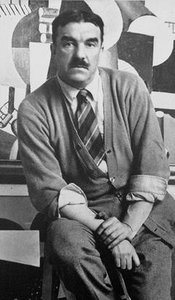
1881 - 1955 , Prancūzija

Discover why black & white photography remains a powerful force in contemporary art. Explore the impact of light, shadow, and texture through a visual journey of monochrome mastery and learn how to elevate your space with timeless grayscale aesthetics.

Explore the profound depth of Cubist still life art. Our expert guide delves into the revolutionary techniques of Picasso and Braque, offering art enthusiasts a deep understanding of fragmented reality, geometric form, and the enduring power of Cubism in fine art.


Sekite naujausias meno naujienas, išskirtinius pasiūlymus ir dekoravimo idėjas.
Pasakokite mums apie savo projektą, o mūsų meno ekspertai parengs jums 3 asmeniškus meno pasiūlymus.
Leiskite mums parinkti 3 variantus būtent jums – nemokamai!


 Peržiūrėti realybėje
 Pasidalinti
 Dalintis
 Išsamiau

 Atsisiųsti
 Panašūs eksponatai
 Rentgeno nuotrauka
 Automatinė diorama
 Skaityti daugiau







 Stiklo variantas prieinamas tik pasirinkus dydį iki 110 cm