Acrylic On CanvasWallArtPurist Cubism
 1950Modern
 92.0 x 73.0 cm
Muziejų lygio „giclée“ arba drobos spausdinimas: greita gamyba ir lankstios apdailos parinktys. ( Pirkti rankomis tapytą paveikslą Pirkti vaizdą)





























Pasirinkite iš mūsų nustatytų dydžių, atitinkančių originalaus meno kūrinio proporcijas.

Galite nurodyti savo matmenis, kad vaizdas atitiktų konkretų rėmą ar erdvę. Jei pasirinktas dydis nesutaps su originalaus paveikslėlio proporcijomis, mes arba apkirpsime kūrinį, arba išplėsime vaizdą naudojant veideliu atspindėtą arba vientisą šoną. Skaitmeninis maketas bus išsiųstas jums patvirtinti prieš pradedant gamybą.
Atkreipkite dėmesį, kad ekrane matomas vaizdinys neatspindi tikrojo apkirpimo ar išplėtimo. Tik maketas tiksliai parodytų galutinę kompoziciją.
Nors galima rinktis ir individualius dydžius, rekomenduojame pasirinkti vieną iš išanksti nustatytų matmenų, kad būtų išlaikytos originalios proporcijos.
Pristatymas visame pasaulyje () per 2 weeks, o ne įprastas 4/5 savaičių laikotarpis. (12 rugpjūtis)


Forms in space
Reprodukcijos matmenys
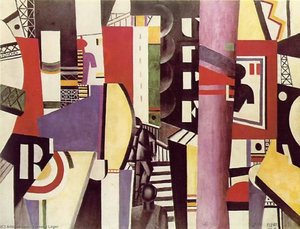
Fernand Léger’s “Forms in Space,” painted in 1950, is more than just a still life; it's a vibrant declaration of the machine age rendered through the distinctive lens of Purism. Measuring 92 x 73 cm, this artwork immediately draws the eye with its bold palette – assertive reds, cool blues, sunny yellows, verdant greens, and grounding blacks – all meticulously applied to construct a dynamic composition dominated by geometric shapes. The scene depicts a domestic interior, anchored by a chair, a clock, and an umbrella, objects imbued with a sense of purposeful functionality that speaks directly to Léger’s fascination with industrial forms.
Léger's technique is characterized by a deliberate application of paint, often built up in thick layers – impasto – to create a tactile surface that emphasizes the three-dimensionality of his forms. The brushstrokes are visible, contributing to the painting’s energetic and somewhat rough quality. He employed a palette knife alongside brushes, further enhancing the textural effect and allowing for precise control over color placement. The use of bold, unmixed colors contributes significantly to the work's impact, reflecting Léger's desire to present a raw, unfiltered view of modern life. The canvas itself is primed with a robust gesso, ensuring the longevity and vibrancy of the pigments.
While seemingly straightforward in its depiction, “Forms in Space” carries deeper symbolic weight. The geometric shapes represent not just physical objects but also the underlying structure of modern society – a world increasingly defined by logic, efficiency, and industrial production. The presence of the clock suggests the relentless march of time, while the umbrella symbolizes protection from the elements, both literal and metaphorical. Léger’s work can be interpreted as an optimistic vision of progress, albeit one tempered with a keen awareness of the potential disruptions caused by technological advancement.
Painted in 1950, “Forms in Space” reflects the post-war landscape of Europe, where industrialization continued to reshape society. Léger’s work stands as a testament to his enduring influence on modern art, bridging the gap between abstraction and representation. His exploration of form and color paved the way for subsequent generations of artists, solidifying his place as one of the most important figures in 20th-century painting. This reproduction offers an exceptional opportunity to own a piece of art history, bringing Léger’s powerful vision into your space.
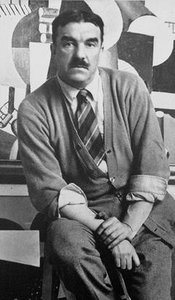
1881 - 1955 , Prancūzija

Discover the power of Neo-Abstract art. Explore how bold geometric forms and high-impact visual energy are redefining modern design. Learn to curate sophisticated, high-energy spaces with the latest trends in contemporary abstraction and structural color.

Discover the high-impact world of Geometric Abstraction. From Cubist roots to modern urban trends, explore how bold shapes and colors redefine contemporary design. Elevate your space with expert art insights and custom-made abstract masterpieces.

Master the high-impact world of contemporary abstraction. Discover how bold colors, textures, and modern movements like Abstract Expressionism can transform your space with premium, high-energy art curated for the design-conscious professional.


Sekite naujausias meno naujienas, išskirtinius pasiūlymus ir dekoravimo idėjas.
Pasakokite mums apie savo projektą, o mūsų meno ekspertai parengs jums 3 asmeniškus meno pasiūlymus.
Leiskite mums parinkti 3 variantus būtent jums – nemokamai!


 Peržiūrėti realybėje
 Pasidalinti
 Dalintis
 Išsamiau

 Atsisiųsti
 Panašūs eksponatai
 Rentgeno nuotrauka
 Automatinė diorama
 Skaityti daugiau







 Stiklo variantas prieinamas tik pasirinkus dydį iki 110 cm