OilWallArtCubist Tubism
 1916Modern
 130.0 x 97.0 cm
Muziejų lygio „giclée“ arba drobos spausdinimas: greita gamyba ir lankstios apdailos parinktys. ( Pirkti rankomis tapytą paveikslą Pirkti vaizdą)





























Pasirinkite iš mūsų nustatytų dydžių, atitinkančių originalaus meno kūrinio proporcijas.

Galite nurodyti savo matmenis, kad vaizdas atitiktų konkretų rėmą ar erdvę. Jei pasirinktas dydis nesutaps su originalaus paveikslėlio proporcijomis, mes arba apkirpsime kūrinį, arba išplėsime vaizdą naudojant veideliu atspindėtą arba vientisą šoną. Skaitmeninis maketas bus išsiųstas jums patvirtinti prieš pradedant gamybą.
Atkreipkite dėmesį, kad ekrane matomas vaizdinys neatspindi tikrojo apkirpimo ar išplėtimo. Tik maketas tiksliai parodytų galutinę kompoziciją.
Nors galima rinktis ir individualius dydžius, rekomenduojame pasirinkti vieną iš išanksti nustatytų matmenų, kad būtų išlaikytos originalios proporcijos.
Pristatymas visame pasaulyje () per 2 weeks, o ne įprastas 4/5 savaičių laikotarpis. (18 rugpjūtis)


Soldier with a pipe - -
Reprodukcijos matmenys
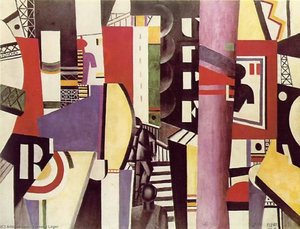
Fernand Léger’s “Soldier with a Pipe,” completed in 1916 during the tumultuous years of World War I, stands as an emblem of his singular artistic vision—a fusion of Cubist fragmentation and Futurist dynamism that anticipates the burgeoning aesthetic currents of the early twentieth century. More than just a depiction of a soldier amidst domestic objects, this painting embodies Léger’s profound engagement with the transformative forces reshaping European society and art.
“Soldier with a Pipe” exemplifies Tubism, Léger’s distinctive style characterized by cylindrical forms dominating the composition. These cylinders aren't merely decorative; they represent abstracted representations of industrial machinery—a deliberate nod to the pervasive influence of technology on daily life during wartime. Léger employed bold colors – predominantly reds and yellows – applied with thick impasto brushstrokes that convey texture and energy. This technique underscores the artist’s desire to capture not just visual appearance but also the palpable physicality of his subjects.
The painting's arrangement is deceptively simple yet meticulously crafted. Léger places a soldier centrally, positioned amongst a collection of commonplace objects: cups, bottles, a chair, and a bowl. These items aren’t presented as mere props; they serve to contextualize the soldier’s presence and invite contemplation on themes of social interaction and domestic tranquility—a poignant juxtaposition against the backdrop of war.
The pipe itself holds symbolic significance. It represents comfort, contemplation, and perhaps even a yearning for respite from the anxieties of wartime. Léger skillfully utilizes perspective to create depth within the confined space of the canvas, enhancing the sense of realism despite the stylized forms.
Created during World War I, “Soldier with a Pipe” reflects Léger’s personal experience as a soldier—a formative period that instilled in him an unwavering commitment to portraying the realities of modern life. However, Léger's artistic contribution transcends mere autobiographical reflection; he paved the way for subsequent movements like Pop Art and Abstract Expressionism by demonstrating how abstraction could engage with subject matter rooted in everyday existence.
Reproductions of “Soldier with a Pipe” are available at BuyPopArt, ensuring that Léger’s groundbreaking vision continues to inspire collectors and interior designers alike. Owning this artwork is more than acquiring an image; it's embracing a testament to artistic innovation and the enduring power of visual storytelling.
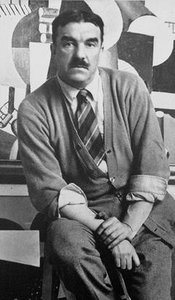
1881 - 1955 , Prancūzija

Explore the profound depth of Cubist still life art. Our expert guide delves into the revolutionary techniques of Picasso and Braque, offering art enthusiasts a deep understanding of fragmented reality, geometric form, and the enduring power of Cubism in fine art.


Sekite naujausias meno naujienas, išskirtinius pasiūlymus ir dekoravimo idėjas.
Pasakokite mums apie savo projektą, o mūsų meno ekspertai parengs jums 3 asmeniškus meno pasiūlymus.
Leiskite mums parinkti 3 variantus būtent jums – nemokamai!


 Peržiūrėti realybėje
 Pasidalinti
 Dalintis
 Išsamiau

 Atsisiųsti
 Panašūs eksponatai
 Rentgeno nuotrauka
 Automatinė diorama
 Skaityti daugiau







 Stiklo variantas prieinamas tik pasirinkus dydį iki 110 cm