Muziejų lygio „giclée“ arba drobos spausdinimas: greita gamyba ir lankstios apdailos parinktys. ( Pirkti rankomis tapytą paveikslą Pirkti vaizdą)





























Pasirinkite iš mūsų nustatytų dydžių, atitinkančių originalaus meno kūrinio proporcijas.

Galite nurodyti savo matmenis, kad vaizdas atitiktų konkretų rėmą ar erdvę. Jei pasirinktas dydis nesutaps su originalaus paveikslėlio proporcijomis, mes arba apkirpsime kūrinį, arba išplėsime vaizdą naudojant veideliu atspindėtą arba vientisą šoną. Skaitmeninis maketas bus išsiųstas jums patvirtinti prieš pradedant gamybą.
Atkreipkite dėmesį, kad ekrane matomas vaizdinys neatspindi tikrojo apkirpimo ar išplėtimo. Tik maketas tiksliai parodytų galutinę kompoziciją.
Nors galima rinktis ir individualius dydžius, rekomenduojame pasirinkti vieną iš išanksti nustatytų matmenų, kad būtų išlaikytos originalios proporcijos.
Pristatymas visame pasaulyje () per 2 weeks, o ne įprastas 4/5 savaičių laikotarpis. (16 rugpjūtis)


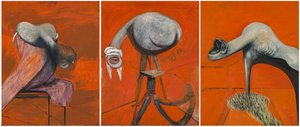
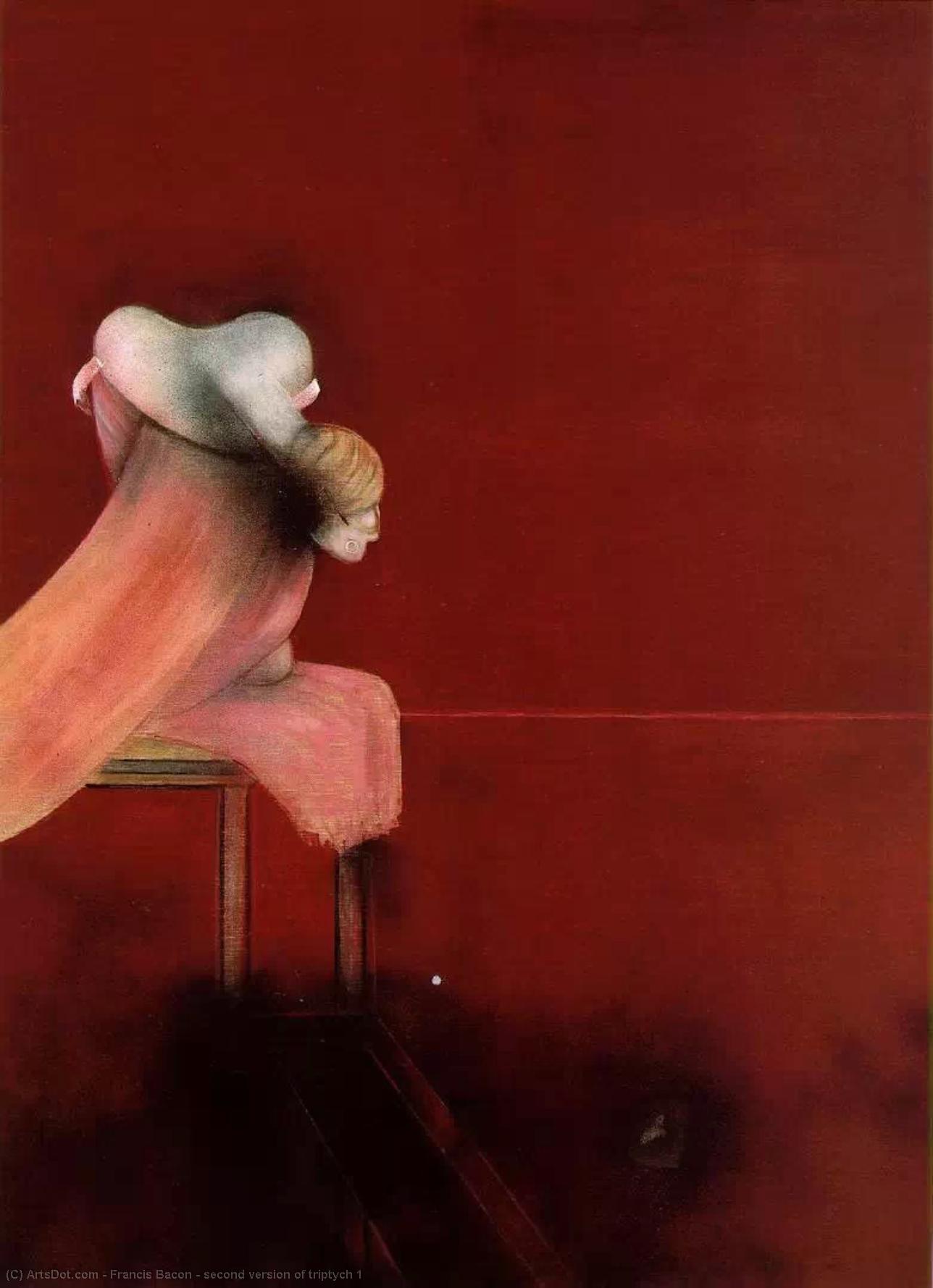
second version of triptych 1
Reprodukcijos matmenys
This arresting image, a “Second Version” created in 1988 from the original 1944 work, offers an unflinching glimpse into the tormented psyche of Francis Bacon. Executed during a period of profound artistic and personal upheaval, it embodies the core tenets of his mature style – a brutal honesty rendered with unsettling precision. The composition immediately confronts the viewer with a solitary figure seated in a chair, head bowed, their appearance obscured by a mask-like distortion. This deliberate ambiguity is central to Bacon’s project: he wasn't interested in depicting recognizable reality but rather in conveying raw emotion and existential dread.
Painted in 1944, at the height of World War II, this work reflects the pervasive sense of anxiety and disillusionment that gripped Europe. Bacon’s early life, marked by instability and his mother's illness, undoubtedly informed his artistic vision. The displacement he experienced – both physical and emotional – resonates powerfully within the painting. This wasn't merely a depiction of an individual; it was a visual manifestation of the collective trauma of the era, a reflection on the loss of innocence and the fragility of human existence.
The “Second Version” created nearly four decades later demonstrates Bacon’s continued engagement with these themes. The fact that he revisited this subject matter suggests a persistent preoccupation with the darker aspects of the human condition – a theme that would define much of his career.
The mask-like distortion of the figure is perhaps the most compelling element of the painting. It obscures identity, suggesting a loss of self and an inability to connect with others. The chair itself can be interpreted as a symbol of confinement, further emphasizing the sense of isolation. Bacon was deeply interested in exploring the subconscious mind, and his work often operates on a profoundly psychological level. He sought to capture not just what he *saw*, but what he *felt* – the raw, unfiltered emotions that lie beneath the surface of consciousness.
‘Second Version of Triptych 1’ is not a comfortable image; it demands attention and provokes a visceral response. Bacon's work continues to resonate with viewers today because it confronts us with uncomfortable truths about ourselves and the world around us. It stands as a testament to his courage, his artistic vision, and his ability to translate profound psychological states into powerful visual form. This reproduction offers an opportunity to experience firsthand the intensity and emotional depth of one of the 20th century’s most significant artists.
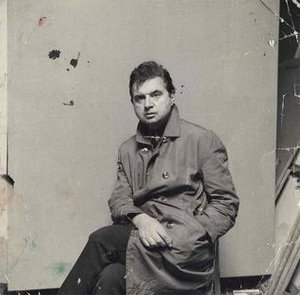
1909 - 1992 , Airija

Discover BuyPopArt.com's premium poster prints. Featuring 12-color pigment technology and museum-grade substrates, our versatile, high-fidelity prints offer vivid colors and archival quality for sophisticated modern decor. Elevate your space with professional art solutions.


Sekite naujausias meno naujienas, išskirtinius pasiūlymus ir dekoravimo idėjas.
Pasakokite mums apie savo projektą, o mūsų meno ekspertai parengs jums 3 asmeniškus meno pasiūlymus.
Leiskite mums parinkti 3 variantus būtent jums – nemokamai!


 Peržiūrėti realybėje
 Pasidalinti
 Dalintis
 Išsamiau

 Atsisiųsti
 Panašūs eksponatai
 Rentgeno nuotrauka
 Automatinė diorama

 Skaityti daugiau







 Stiklo variantas prieinamas tik pasirinkus dydį iki 110 cm