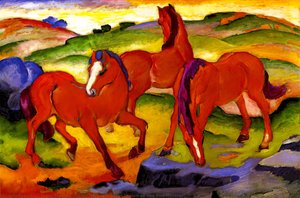
Muziejų lygio „giclée“ arba drobos spausdinimas: greita gamyba ir lankstios apdailos parinktys. ( Pirkti rankomis tapytą paveikslą Pirkti vaizdą)





























Pasirinkite iš mūsų nustatytų dydžių, atitinkančių originalaus meno kūrinio proporcijas.

Galite nurodyti savo matmenis, kad vaizdas atitiktų konkretų rėmą ar erdvę. Jei pasirinktas dydis nesutaps su originalaus paveikslėlio proporcijomis, mes arba apkirpsime kūrinį, arba išplėsime vaizdą naudojant veideliu atspindėtą arba vientisą šoną. Skaitmeninis maketas bus išsiųstas jums patvirtinti prieš pradedant gamybą.
Atkreipkite dėmesį, kad ekrane matomas vaizdinys neatspindi tikrojo apkirpimo ar išplėtimo. Tik maketas tiksliai parodytų galutinę kompoziciją.
Nors galima rinktis ir individualius dydžius, rekomenduojame pasirinkti vieną iš išanksti nustatytų matmenų, kad būtų išlaikytos originalios proporcijos.
Pristatymas visame pasaulyje () per 2 weeks, o ne įprastas 4/5 savaičių laikotarpis. (17 rugpjūtis)


Sleeping Deer
Reprodukcijos matmenys
Franz Marc’s “Sleeping Deer,” painted in 1913, stands as a cornerstone of German Expressionism—a movement that sought to convey inner emotions and spiritual truths through bold artistic expression. More than just a depiction of an animal resting peacefully, this artwork embodies Marc's profound belief that art could serve as a conduit for accessing the sacred, reflecting his formative engagement with theology alongside his burgeoning fascination with the natural world.
Marc employed a tempera technique, known for its luminosity and durability. The vibrant hues he utilized—primarily reds, yellows, and blues—were not merely decorative; they functioned as symbolic representations of inner states. Red signifies passion and vitality, yellow embodies optimism and enlightenment, while blue evokes serenity and contemplation. These colors intertwine to create a harmonious yet dynamic visual experience.
“Sleeping Deer” emerged from the influential Blaue Reiter (“Blue Rider”) circle—a group of artists who championed abstraction as a means of conveying spiritual ideas. Marc, along with Wassily Kandinsky and Alexej von Jawlensky, believed that art could transcend materialism and connect directly to the divine. This conviction fueled their experimentation with color and form, aiming for an emotional resonance that surpassed mere visual representation.
The deer itself holds significant symbolic weight within Marc’s oeuvre. Often interpreted as representing innocence, purity, and spiritual harmony—themes central to Christian iconography—the animal embodies Marc's desire to depict the sublime beauty of nature imbued with divine presence. Its posture—resting calmly on its paws—further reinforces this notion of tranquility and repose.
"Sleeping Deer" invites viewers into a meditative state, prompting contemplation on themes of peace, vulnerability, and the interconnectedness of life. Marc’s masterful use of color and form transcends mere visual observation, tapping into deeper emotional currents—a testament to his enduring legacy as one of Expressionism's most visionary artists.
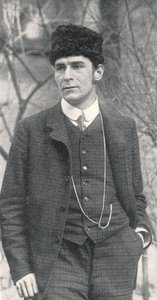
1880 - 1916 , Vokietija

Explore 10 defining German Expressionism masterpieces – from Munch's 'The Scream' to Kandinsky’s abstracts. Discover the artists, stories & bold colors behind this powerful art movement. Find museum-quality reproductions at BuyPopArt.com.

Explore the profound world of Franz Marc's Expressionist paintings. Discover his spiritual connection to animals, innovative use of color, and lasting impact on modern art history. Learn more at BuyPopArt.

Atraskite 25 įspūdingiausius Marc Chagall kūrinius! Išsami analizė, meno istorija ir spalvingų paveikslų simbolika. Įkvėpkite interjero dekorui su aukštos kokybės Chagall reprodukcijomis. Explore the full collection online!

Atraskite gyvūnų simbolikos paslaptis interjero dizaine! Nuo senovės tradicijų iki šiuolaikinio meno interpretacijų – patyrusių ekspertų konsultacijos ir įdomūs faktai. Sukurkite unikalų namų interjerą su BuyPopArt.

Explore the raw emotional power of German Expressionism. From Kirchner to Die Brücke, discover how artists used distortion and vibrant color to unmask the human psyche. A deep dive into art history for the discerning collector and enthusiast.


Sekite naujausias meno naujienas, išskirtinius pasiūlymus ir dekoravimo idėjas.
Pasakokite mums apie savo projektą, o mūsų meno ekspertai parengs jums 3 asmeniškus meno pasiūlymus.
Leiskite mums parinkti 3 variantus būtent jums – nemokamai!


 Peržiūrėti realybėje
 Pasidalinti
 Dalintis
 Išsamiau

 Atsisiųsti
 Panašūs eksponatai
 Rentgeno nuotrauka
 Automatinė diorama

 Skaityti daugiau







 Stiklo variantas prieinamas tik pasirinkus dydį iki 110 cm