

 Acrylic On CanvasWallArtCubist Expressionism
 21.0 x 13.0 cm
 Franz Marc muziejus
Rankiniu būdu tapytas aliejus ant droblio jūsų pageidaujamame dydį ir rėmuose – mūsų menininkų darbas pagal užsakymą. ( Pirkti spaudinį Pirkti vaizdą)





























Pasirinkite iš mūsų nustatytų dydžių, atitinkančių originalaus meno kūrinio proporcijas.

Galite įvesti savo matmenis, kad jie atitiktų konkretų rėmą ar erdvę. Jei pasirinktas dydis neatitinka originalaus paveikslėlio proporcijų, mes arba apkropsime meno kūrinį, arba papildysime tapybą rankomis dažytい elementais. Prieš pradėdami gamybą, jūsų patvirtinimui atsiųsime skaitmeninį maketą.
Atkreipkite dėmesį, kad ekrane rodomas vaizdas neatspindi tikrojo apkarpymo ar papildymo. Tik maketas tiksliai parodys galutinę kompoziciją.
Nors galima rinktis ir individualius dydžius, rekomenduojame pasirinkti matmenis iš nustatytos sąrašo, kad būtų išlaikytos originalios proporcijos.
Pristatymas visame pasaulyje () per 3–4 savaites, o ne įprastai – per 5 savaites. (24 rugpjūtis). Kokybė lieka nepakeičiama.


Two Horses
Reprodukcijos matmenys
Franz Marc’s “Two Horses,” painted in 1912 during the height of Expressionism, isn't merely a depiction of animals; it’s an embodiment of profound philosophical inquiry rendered in a breathtaking visual vocabulary. Created in Cubist style—a stylistic departure from Marc’s earlier landscapes—the painting captures a moment of serene contemplation amidst a simple rural setting.
The historical context of “Two Horses” is inextricably linked to the burgeoning Expressionist movement, which sought to grapple with anxieties surrounding industrialization and societal upheaval. Marc’s artistic companions—including Ernst Ludwig Kirchner and Emil Nolde—were deeply influenced by Nietzsche's philosophy, specifically his concept of the Übermensch – striving for transcendence beyond conventional morality.
Symbolism: Beyond its formal qualities, “Two Horses” resonates with symbolic significance. The horse itself has long been associated with nobility, strength, and spiritual aspiration—themes central to Marc’s worldview. Red symbolizes vitality and passion, while blue represents serenity and contemplation. The figures flanking the horses are interpreted as representing humanity's relationship with nature and spirituality – a harmonious coexistence underpinned by reverence for the divine.
Emotional Impact: Viewing “Two Horses” evokes a feeling of quiet wonder and introspection. Marc’s masterful use of color and form transcends mere visual description, inviting viewers to contemplate questions of existence and beauty. It's a painting that speaks to our innate desire for connection with the natural world and reminds us of the importance of inner peace amidst the complexities of life—a timeless message conveyed through an unforgettable artistic achievement.
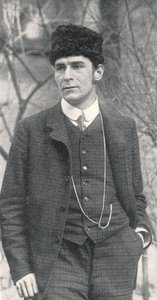
1880 - 1916 , Vokietija

Explore 10 defining German Expressionism masterpieces – from Munch's 'The Scream' to Kandinsky’s abstracts. Discover the artists, stories & bold colors behind this powerful art movement. Find museum-quality reproductions at BuyPopArt.com.

Explore the profound world of Franz Marc's Expressionist paintings. Discover his spiritual connection to animals, innovative use of color, and lasting impact on modern art history. Learn more at BuyPopArt.

Atraskite gyvūnų simbolikos paslaptis interjero dizaine! Nuo senovės tradicijų iki šiuolaikinio meno interpretacijų – patyrusių ekspertų konsultacijos ir įdomūs faktai. Sukurkite unikalų namų interjerą su BuyPopArt.

Explore the rich history of horses in fine art! From ancient depictions to Renaissance masterpieces & beyond, discover iconic artworks and artists. Learn about symbolism, techniques, and find museum-quality reproductions at BuyPopArt.

Explore the rich history of horse painting! Discover masterpieces from Stubbs to Munnings & learn about symbolism, techniques & artists. Find museum-quality reproductions at BuyPopArt.


Sekite naujausias meno naujienas, išskirtinius pasiūlymus ir dekoravimo idėjas.
Pasakokite mums apie savo projektą, o mūsų meno ekspertai parengs jums 3 asmeniškus meno pasiūlymus.
Leiskite mums parinkti 3 variantus būtent jums – nemokamai!


 Peržiūrėti realybėje
 Pasidalinti
 Dalintis
 Išsamiau

 Atsisiųsti
 Panašūs eksponatai
 Rentgeno nuotrauka
 Automatinė diorama
 Skaityti daugiau







 Stiklo variantas prieinamas tik pasirinkus dydį iki 110 cm


