Muziejų lygio „giclée“ arba drobos spausdinimas: greita gamyba ir lankstios apdailos parinktys. ( Pirkti rankomis tapytą paveikslą Pirkti vaizdą)





























Pasirinkite iš mūsų nustatytų dydžių, atitinkančių originalaus meno kūrinio proporcijas.

Galite nurodyti savo matmenis, kad vaizdas atitiktų konkretų rėmą ar erdvę. Jei pasirinktas dydis nesutaps su originalaus paveikslėlio proporcijomis, mes arba apkirpsime kūrinį, arba išplėsime vaizdą naudojant veideliu atspindėtą arba vientisą šoną. Skaitmeninis maketas bus išsiųstas jums patvirtinti prieš pradedant gamybą.
Atkreipkite dėmesį, kad ekrane matomas vaizdinys neatspindi tikrojo apkirpimo ar išplėtimo. Tik maketas tiksliai parodytų galutinę kompoziciją.
Nors galima rinktis ir individualius dydžius, rekomenduojame pasirinkti vieną iš išanksti nustatytų matmenų, kad būtų išlaikytos originalios proporcijos.
Pristatymas visame pasaulyje () per 2 weeks, o ne įprastas 4/5 savaičių laikotarpis. (14 rugpjūtis)


Flower study
Reprodukcijos matmenys
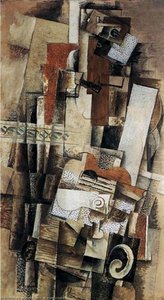
Georges Braque's "Flower Study," created in 1909, offers a captivating glimpse into the artist’s evolving approach to form and color during a pivotal moment in modern art. This deceptively simple black-and-white drawing—a piece often overlooked amidst his more celebrated Cubist works—reveals a quiet intensity and a profound engagement with the natural world. It's not merely a depiction of flowers; it’s an exploration of their essence, rendered through a masterful manipulation of line and shadow. The image presents a lily, its petals elegantly unfurling, positioned within a vase at the drawing’s upper left – a grounding element that anchors the composition. Scattered around are other blooms, some sharply defined, others softened by the artist's hand, creating an impression of depth and spatial ambiguity characteristic of Braque’s early explorations.
Born in Argenteuil, France, in 1882, Georges Braque's artistic journey began not with grand pronouncements of revolutionary style but with a deeply ingrained understanding of craft. His father was a house painter and decorator, providing him with an invaluable appreciation for materials, structure, and the subtle nuances of light and shadow – skills that would later inform his groundbreaking approach to Cubism. Initially following in his family’s trade, Braque's artistic spirit quickly asserted itself, leading him to formal training at the École des Beaux-Arts in Le Havre. This rigorous academic foundation, combined with his practical experience, proved crucial as he began to dismantle traditional notions of perspective and representation. His early years were marked by a close collaboration with Pablo Picasso, a relationship that profoundly shaped both artists’ development, particularly during their shared exploration of Cubism – a movement where the illusion of three-dimensionality was deliberately fractured.
The monochromatic nature of "Flower Study" is key to its impact. Braque frequently employed what he termed “greige”—a sophisticated blend of gray and beige—as his primary palette during this period, a deliberate choice that prioritized form and structure over vibrant color. This restrained approach allowed him to focus on the underlying geometry of the flowers and their arrangement within the vase. Notice how the petals are broken down into fragmented planes, suggesting multiple viewpoints simultaneously – a hallmark of Cubist principles. The careful rendering of texture, achieved through subtle variations in line weight and shading, adds a remarkable sense of realism despite the absence of color. The drawing’s overall effect is one of quiet contemplation, inviting the viewer to consider the flower not as a single object but as a collection of intersecting shapes and planes.
While often associated with radical abstraction, Braque’s early work retains a strong connection to the natural world. Flowers, in this context, represent beauty, fragility, and the cyclical nature of life – themes that resonated deeply within the artistic circles of Paris at the turn of the 20th century. The arrangement itself—the lily as a central focus, surrounded by other blooms—suggests an appreciation for harmony and balance. The drawing’s inherent stillness evokes a sense of peace and introspection, offering a moment of respite from the bustling energy of Parisian life. “Flower Study” is not simply a botanical illustration; it's a testament to Braque’s ability to capture the essence of beauty through careful observation and masterful technique – a quiet masterpiece that speaks volumes about the artist’s evolving vision.
Consider acquiring a high-quality reproduction of this evocative work. BuyPopArt offers meticulously crafted reproductions, ensuring you can bring the subtle nuances and profound beauty of Braque's "Flower Study" into your home or studio. Explore the artwork here.
Georges Braque, gimęs Argenteuil mieste Francijoje 1882 metais, įvykdė kelionę į meno pasaulį, kurią iš tikrųjų simbolizavo XX amžiaus meno vystymosi kraštovaizdis. Jo vaikystė šeimoje, kurioje veikė namų dažytojai ir dekoratorių meistrai, ne tik suteikė jam praktinę meistriškumą medžiagoms, bet ir ankstyvą įvertinimą formasiai ir struktūrai. Nepaisant pradėti vykti savo tėvo keliu, Braque’s šlovingos kūrybinės instinkcijos greitai vedė jį į akademinę mokslą Argenteuil mieste Francijoje 1882 metais.
Pervažiuodamas Paryžiui 1902 metais, Braque tęsė savo studijas Humberto akademijoje, prisijungdamas prie Paryžiaus meno gyvenimo šlovingos aplinkos. Čia jis susitikęs su artistas Marie Laurencin ir Francis Picabia, kuriuos įvykdė šlovingą kūrybinę instinkciją Francijoje 1882 metais.
Braque’s pasirinkimas fauvistinių principų – išraiškos spalvos ir emocijų – yra įvykdė šlovingą kūrybinę instinkciją Francijoje 1882 metais. Šis laikotarpis buvo pažymiškas eksperimentais su spalvomis Paryžiui 1902 metais.
Švietimo akademijoje Humberto Paryžiui 1902 metais, Braque tęsė savo studijas Paryžiaus meno gyvenimo šlovingą aplinkos. Čia jis susitikęs su artistas Marie Laurencin ir Francis Picabia, kuriuos įvykdė šlovingą kūrybinę instinkciją Francijoje 1882 metais.
Švietimo akademijoje Humberto Paryžiui 1902 metais, Braque tęsė savo studijas Paryžiaus meno gyvenimo šlovingą aplinkos. Čia jis susitikęs su artistas Marie Laurencin ir Francis Picabia, kuriuos įvykdė šlovingą kūrybinę instinkciją Francijoje 1882 metais.
Švietimo akademijoje Humberto Paryžiui 1902 metais, Braque tęsė savo studijas Paryžiaus meno gyvenimo šlovingą aplinkos. Čia jis susitikęs su artistas Marie Laurencin ir Francis Picabia, kuriuos įvykdė šlovingą kūrybinę instinkciją Francijoje 1882 metais.
Švietimo akademijoje Humberto Paryžiui 1902 metais, Braque tęsė savo studijas Paryžiaus meno gyvenimo šlovingą aplinkos. Čia jis susitikęs su artistas Marie Laurencin ir Francis Picabia, kuriuos įvykdė šlovingą kūrybinę instinkciją Francijoje 1882 metais.
Švietimo akademijoje Humberto Paryžiui 1902 metais, Braque tęsė savo studijas Paryžiaus meno gyvenimo šlovingą aplinkos. Čia jis susitikęs su artistas Marie Laurencin ir Francis Picabia, kuriuos įvykdė šlovingą kūrybinę instinkciją Francijoje 1882 metais.
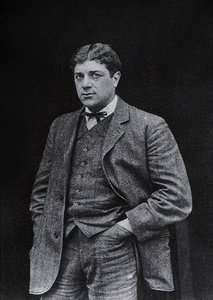
1882 - 1963 , Prancūzija

Explore how Analytical Cubism shattered reality to redefine modern design. Discover the revolutionary impact of Picasso and Braque on contemporary aesthetics, from graphic art to urban interiors. Dive into a visual journey through the movement that changed how we see the world.


Sekite naujausias meno naujienas, išskirtinius pasiūlymus ir dekoravimo idėjas.
Pasakokite mums apie savo projektą, o mūsų meno ekspertai parengs jums 3 asmeniškus meno pasiūlymus.
Leiskite mums parinkti 3 variantus būtent jums – nemokamai!


 Peržiūrėti realybėje
 Pasidalinti
 Dalintis
 Išsamiau

 Atsisiųsti
 Panašūs eksponatai
 Rentgeno nuotrauka
 Automatinė diorama

 Skaityti daugiau







 Stiklo variantas prieinamas tik pasirinkus dydį iki 110 cm