

 Oil On CanvasWallArtMannerist Portraiture
 1573
1573 76.0 x 64.0 cm
 Liuvro muziejus
Muziejų lygio „giclée“ arba drobos spausdinimas: greita gamyba ir lankstios apdailos parinktys. ( Pirkti rankomis tapytą paveikslą Pirkti vaizdą)





























Pasirinkite iš mūsų nustatytų dydžių, atitinkančių originalaus meno kūrinio proporcijas.

Galite nurodyti savo matmenis, kad vaizdas atitiktų konkretų rėmą ar erdvę. Jei pasirinktas dydis nesutaps su originalaus paveikslėlio proporcijomis, mes arba apkirpsime kūrinį, arba išplėsime vaizdą naudojant veideliu atspindėtą arba vientisą šoną. Skaitmeninis maketas bus išsiųstas jums patvirtinti prieš pradedant gamybą.
Atkreipkite dėmesį, kad ekrane matomas vaizdinys neatspindi tikrojo apkirpimo ar išplėtimo. Tik maketas tiksliai parodytų galutinę kompoziciją.
Nors galima rinktis ir individualius dydžius, rekomenduojame pasirinkti vieną iš išanksti nustatytų matmenų, kad būtų išlaikytos originalios proporcijos.
Pristatymas visame pasaulyje () per 2 weeks, o ne įprastas 4/5 savaičių laikotarpis. (16 rugpjūtis)


Autumn
Reprodukcijos matmenys
Giuseppe Arcimboldo’s “Autumn,” painted in 1573, isn’t merely a still life; it’s an audacious declaration of human ingenuity and a profound meditation on the cyclical nature of time. This remarkable work, now residing within the hallowed halls of the Louvre Museum in Paris, transcends the boundaries of traditional portraiture, transforming a single man into a vibrant tapestry of autumnal bounty. Arcimboldo, a master of the Mannerist style, didn’t simply arrange fruits and vegetables; he meticulously constructed a face – a visage brimming with life, wisdom, and an almost unsettling beauty – entirely from these natural elements.

The painting’s power lies not just in its subject matter, but in the extraordinary skill with which it was executed. Arcimboldo employed oil on canvas, a medium that allowed for rich textures and subtle gradations of color – crucial to achieving the illusion of depth and volume within the constructed face. Notice how he's used varying shades of green to mimic skin tones, layering apples and pears to create the contours of a nose and mouth, and utilizing grapes and leaves to form a crown-like arrangement around the head. The meticulous attention to detail is breathtaking; each fruit and vegetable is rendered with remarkable precision, contributing to the overall sense of realism despite its fantastical nature. The use of contrasting colors – the vibrant reds of apples against the deep greens of foliage – further enhances the visual impact.
“Autumn” isn’t simply a decorative exercise; it's deeply rooted in Renaissance symbolism and allegorical thought. The choice of autumnal fruits and vegetables is laden with meaning. Apples, often associated with knowledge and wisdom, frame the face, suggesting an intellectual depth. Grapes represent abundance and prosperity, while onions – traditionally linked to tears and sorrow – subtly hint at mortality. The inclusion of birds scattered throughout the composition adds another layer of symbolism, representing freedom, joy, and perhaps even a fleeting connection to the natural world. Furthermore, the painting’s creation coincided with the rise of interest in the New World and its exotic goods, making the incorporation of items like gourds – originating from North America – a deliberate statement about the Habsburg Empire's global reach and influence.
Giuseppe Arcimboldo’s “Autumn” stands as a pivotal work in the history of art, solidifying his reputation as one of the most innovative and imaginative artists of the Renaissance. His unique approach to portraiture—transforming human faces into elaborate constructions of objects—anticipated later developments in Surrealism and Pop Art. He was commissioned by Holy Roman Emperors Rudolf II and Maximilian II, who appreciated his ability to create visually arresting and intellectually stimulating works that reflected their own fascination with science, nature, and the exotic. Reproductions of “Autumn” offer a captivating glimpse into Arcimboldo’s world—a world where art transcends the boundaries of representation and becomes a powerful vehicle for communication and contemplation. BuyPopArt offers exquisite hand-painted reproductions that faithfully capture the artistry and symbolism of this extraordinary masterpiece, allowing you to bring its timeless beauty into your home or office.
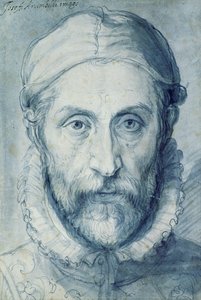
1527 - 1593 , Italija

Explore 10 defining Mannerism masterpieces – from Pontormo to El Greco. Discover the stories behind these Renaissance paintings, their unique style & symbolism. Find museum-quality art reproductions at BuyPopArt.com and elevate your home decor.

Embark on a visual journey through the golden hues of autumn fine art. Discover how masters like Van Gogh capture seasonal magic through vibrant oil landscapes and explore expert tips for collecting timeless autumnal masterpieces.

Explore the fascinating world of Mannerism! Discover its key characteristics, pioneering artists like Pontormo & Bronzino, and its pivotal role in bridging Renaissance harmony to Baroque drama. A comprehensive guide for art enthusiasts.
Explore the rich history of still life painting & the symbolism of fruit across art movements. Discover masterpieces from Caravaggio to Cézanne with BuyPopArt – expert guidance & museum-quality reproductions.

Explore the profound beauty of fruit arrangement masterpieces. From Dutch Golden Age opulence to Baroque chiaroscuro, discover the art history, symbolism, and timeless elegance of classical still life paintings for the discerning collector.


Sekite naujausias meno naujienas, išskirtinius pasiūlymus ir dekoravimo idėjas.
Pasakokite mums apie savo projektą, o mūsų meno ekspertai parengs jums 3 asmeniškus meno pasiūlymus.
Leiskite mums parinkti 3 variantus būtent jums – nemokamai!


 Peržiūrėti realybėje
 Pasidalinti
 Dalintis
 Išsamiau

 Atsisiųsti
 Panašūs eksponatai
 Rentgeno nuotrauka
 Automatinė diorama
 Skaityti daugiau







 Stiklo variantas prieinamas tik pasirinkus dydį iki 110 cm


