Muziejų lygio „giclée“ arba drobos spausdinimas: greita gamyba ir lankstios apdailos parinktys. ( Perejti prie rankinio darbo paveikslėlio Perjungti į vaizdą)





























Pasirinkite iš mūsų nustatytų dydžių, atitinkančių originalaus meno kūrinio proporcijas.

Galite nurodyti savo matmenis, kad vaizdas atitiktų konkretų rėmą ar erdvę. Jei pasirinktas dydis nesutaps su originalaus paveikslėlio proporcijomis, mes arba apkirpsime kūrinį, arba išplėsime vaizdą naudojant veideliu atspindėtą arba vientisą šoną. Skaitmeninis maketas bus išsiųstas jums patvirtinti prieš pradedant gamybą.
Atkreipkite dėmesį, kad ekrane matomas vaizdinys neatspindi tikrojo apkirpimo ar išplėtimo. Tik maketas tiksliai parodytų galutinę kompoziciją.
Nors galima rinktis ir individualius dydžius, rekomenduojame pasirinkti vieną iš išanksti nustatytų matmenų, kad būtų išlaikytos originalios proporcijos.
Pristatymas visame pasaulyje () per 2 weeks, o ne įprastas 4/5 savaičių laikotarpis. (31 liepa)


Page 1
Reprodukcijos matmenys
While seemingly a simple handwritten document, "Page 1," dated 1913, offers a fascinating and unexpected window into the world of Gustav Klimt. This intimate work diverges from his celebrated opulent paintings, yet reveals crucial aspects of his artistic process and intellectual life during a pivotal period.
The artwork presents a close-up view of aged paper densely covered in cursive script. The composition is not one of grand design, but rather an accumulation of names, dates, and annotations – likely related to musical events or performances. This suggests Klimt was meticulously documenting his social engagements, perhaps even inspirations for future works. The sheer volume of text creates a captivating visual texture, a chaotic order that draws the eye across the page.
“Page 1” showcases Klimt’s skill beyond his signature gilded style. Executed in black ink on aged paper, the technique is straightforward – pen and ink calligraphy. However, the *variations* within the cursive script—different sizes, flourishes, and pressures—reveal a personal touch and an immediacy rarely seen in his more polished works. This piece demonstrates Klimt’s foundational training in draftsmanship, harking back to his early days at the Vienna Kunstgewerbeschule.
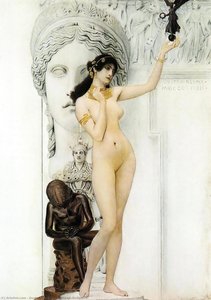
1913 falls within a complex period for Klimt and the Viennese art scene. The height of the Vienna Secession had passed, but its influence remained strong. Klimt was grappling with evolving artistic trends and personal challenges. While known for works like “Pallas Athene” (1898) – a powerful example of Secessionist symbolism – this document suggests a more private, reflective side to the artist. It’s possible these notes relate to performances he attended seeking inspiration or collaborations.
Unlike his allegorical paintings brimming with symbolism, “Page 1” operates on a different level. Its power lies in its authenticity and intimacy. The document isn’t *about* something; it is something – a tangible remnant of Klimt's daily life. The aged paper evokes a sense of history and nostalgia, while the handwritten script feels deeply personal. It invites contemplation on the ephemeral nature of time and memory.
“Page 1” is more than just a document; it's a fragment of Klimt’s world – a testament to his multifaceted talent and enduring legacy.
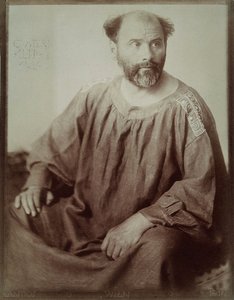
1862 - 1918 , Austrija
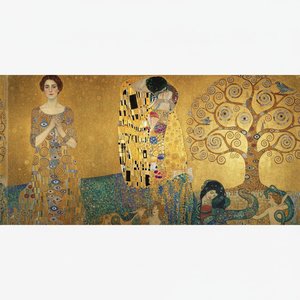
Atraskite 25 įspūdingiausius Gustavo Klimto kūrinius! Išsami analizė, istorijos ir simbolizmas. Įkvėpkite interjerui aukso spalvos paveikslus iš Vienos secesijos laikų. Kokybiškos reprodukcijos – BuyPopArt.com

Atraskite 10 legendinių Art Nouveau šedevrų! Gustav Klimt, Alphonse Mucha ir daugiau – meniniai pasiekimai, apibrėžę dekoratyvinio meno epochą. Pasinerkite į istorijas, spalvas ir grožį. Kokybiškos dailės reprodukcijos ir interjero idėjos BuyPopArt.com.
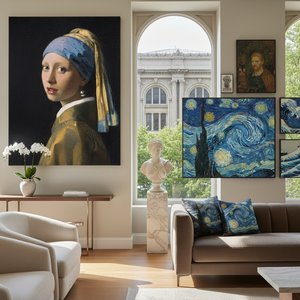
Atraskite 25 įspūdingiausius Metropoliteno meno muziejaus kūrinius! Claude Monet, van Gogh ir kiti meistrai – paveikslų istorijos, spalvų paletės bei interjero dekoravimo idėjos. Meno reprodukcijos aukščiausia kokybe BuyPopArt.com

Discover the revolutionary Vienna Secession art movement! Explore Klimt, Olbrich & more. Learn about its history, characteristics & lasting influence on modern art. High-quality reproductions available.

Explore the captivating world of Gustav Klimt with BuyPopArt. Discover his iconic paintings, the Vienna Secession movement, & enduring legacy. High-quality reproductions available.


Sekite naujausias meno naujienas, išskirtinius pasiūlymus ir dekoravimo idėjas.
Pasakokite mums apie savo projektą, o mūsų meno ekspertai parengs jums 3 asmeniškus meno pasiūlymus.
Leiskite mums parinkti 3 variantus būtent jums – nemokamai!


 Peržiūrėti realybėje
 Pasidalinti
 Dalintis
 Išsamiau

 Atsisiųsti
 Panašūs eksponatai
 Rentgeno nuotrauka
 Automatinė diorama

 Skaityti daugiau







 Stiklo variantas prieinamas tik pasirinkus dydį iki 110 cm