Rankiniu būdu tapytas aliejus ant droblio jūsų pageidaujamame dydį ir rėmuose – mūsų menininkų darbas pagal užsakymą. ( Pirkti spaudinį Pirkti vaizdą)





























Pasirinkite iš mūsų nustatytų dydžių, atitinkančių originalaus meno kūrinio proporcijas.

Galite įvesti savo matmenis, kad jie atitiktų konkretų rėmą ar erdvę. Jei pasirinktas dydis neatitinka originalaus paveikslėlio proporcijų, mes arba apkropsime meno kūrinį, arba papildysime tapybą rankomis dažytい elementais. Prieš pradėdami gamybą, jūsų patvirtinimui atsiųsime skaitmeninį maketą.
Atkreipkite dėmesį, kad ekrane rodomas vaizdas neatspindi tikrojo apkarpymo ar papildymo. Tik maketas tiksliai parodys galutinę kompoziciją.
Nors galima rinktis ir individualius dydžius, rekomenduojame pasirinkti matmenis iš nustatytos sąrašo, kad būtų išlaikytos originalios proporcijos.
Pristatymas visame pasaulyje () per 3–4 savaites, o ne įprastai – per 5 savaites. (17 rugpjūtis). Kokybė lieka nepakeičiama.


Study
Reprodukcijos matmenys
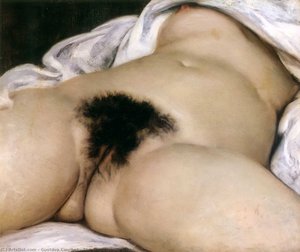
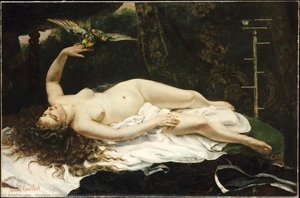
Gustave Courbet, born Jean Désiré Gustave Courbet in Ornans, France, in 1819, stands as a pivotal figure in the history of art – a rebel who dared to confront the conventions of his era and champion an uncompromising vision of truth. More than just a painter; he was a sculptor, printmaker, and photographer, demonstrating a breadth of artistic exploration that cemented his legacy as one of France’s most influential artists.
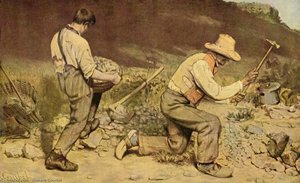
Courbet’s artistic vision extended beyond mere visual representation; he imbued his works with subtle symbolic resonance. Unlike Romantic artists who sought to elevate subjects to lofty ideals, Courbet focused on capturing ordinary life – farmers, laborers, and rural landscapes—transforming these commonplace scenes into vehicles for social commentary. He aimed to depict the realities of the working class, confronting societal prejudices and advocating for a more egalitarian worldview.
"Study for Landscape with Waterfall," painted circa 1867, showcases Courbet’s ability to synthesize Romantic ideals with meticulous technique. While retaining the atmospheric grandeur characteristic of Romantic landscapes—particularly evident in the misty hues and dramatic lighting—the painting demonstrates Courbet's unwavering commitment to realism through detailed rendering of foliage and rock formations.
Gustave Courbet’s enduring influence stems not solely from his artistic prowess but also from his courageous assertion of artistic independence. He irrevocably altered the course of art history, establishing Realism as a dominant aesthetic and inspiring generations of artists to confront societal injustices with unflinching honesty. His unwavering belief in portraying the world truthfully continues to resonate today, reminding us that true artistry lies in capturing the complexities of human experience—warts and all.
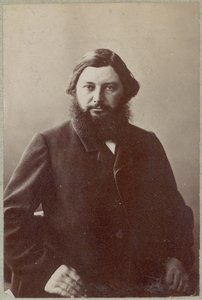
1819 - 1877 , Prancūzija

Explore 10 defining masterpieces of Romantic Realism! Discover Courbet, Millet & Daumier's powerful paintings—capturing emotion and social realities. Find museum-quality reproductions for your home at BuyPopArt.com.
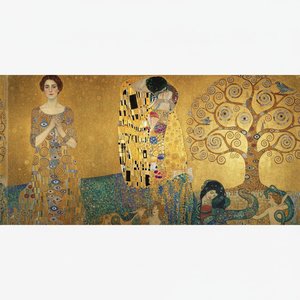
Atraskite 25 įspūdingiausius Gustavo Klimto kūrinius! Išsami analizė, istorijos ir simbolizmas. Įkvėpkite interjerui aukso spalvos paveikslus iš Vienos secesijos laikų. Kokybiškos reprodukcijos – BuyPopArt.com

Explore the revolutionary art of Gustave Courbet, pioneer of Realism. Discover his iconic paintings, social commentary, and lasting impact on 19th-century French art history. Expert analysis & insights.

Explore the captivating world of Bernard Cathelin, a master of French Poetic Realism. Discover his stunning still lifes & landscapes, and learn about his legacy with BuyPopArt.

Atraskite 10 legendinių realizmo meno kūrinių! Gustave Courbet, Jean-François Millet ir kiti meistrai – jų istorijos bei įtaka interjerui. Aukštos kokybės reprodukcijos BuyPopArt.com. Išskirtinis dizainas Jūsų namams! Explore the full collection online.


Sekite naujausias meno naujienas, išskirtinius pasiūlymus ir dekoravimo idėjas.
Pasakokite mums apie savo projektą, o mūsų meno ekspertai parengs jums 3 asmeniškus meno pasiūlymus.
Leiskite mums parinkti 3 variantus būtent jums – nemokamai!


 Peržiūrėti realybėje
 Pasidalinti
 Dalintis
 Išsamiau

 Atsisiųsti
 Panašūs eksponatai
 Rentgeno nuotrauka
 Automatinė diorama


 Skaityti daugiau







 Stiklo variantas prieinamas tik pasirinkus dydį iki 110 cm