

 Acrylic On CanvasWallArtSymbolist Painting
 1864Late Medieval
 105.0 x 206.0 cm
Muziejų lygio „giclée“ arba drobos spausdinimas: greita gamyba ir lankstios apdailos parinktys. ( Pirkti rankomis tapytą paveikslą Pirkti vaizdą)





























Pasirinkite iš mūsų nustatytų dydžių, atitinkančių originalaus meno kūrinio proporcijas.

Galite nurodyti savo matmenis, kad vaizdas atitiktų konkretų rėmą ar erdvę. Jei pasirinktas dydis nesutaps su originalaus paveikslėlio proporcijomis, mes arba apkirpsime kūrinį, arba išplėsime vaizdą naudojant veideliu atspindėtą arba vientisą šoną. Skaitmeninis maketas bus išsiųstas jums patvirtinti prieš pradedant gamybą.
Atkreipkite dėmesį, kad ekrane matomas vaizdinys neatspindi tikrojo apkirpimo ar išplėtimo. Tik maketas tiksliai parodytų galutinę kompoziciją.
Nors galima rinktis ir individualius dydžius, rekomenduojame pasirinkti vieną iš išanksti nustatytų matmenų, kad būtų išlaikytos originalios proporcijos.
Pristatymas visame pasaulyje () per 2 weeks, o ne įprastas 4/5 savaičių laikotarpis. (18 rugpjūtis)


The Sphinx
Reprodukcijos matmenys
Gustave Moreau's The Sphinx, painted in 1864, isn’t merely a depiction of the legendary creature; it’s an immersion into a realm of potent myth and deeply personal symbolism. This captivating work, housed within the Clemens-Sels-Museum in Neuss, Germany, stands as a cornerstone of the Symbolist movement – a period defined by its rejection of realism in favor of exploring the hidden depths of the human psyche and the power of allegory. Moreau, a master of evocative imagery and layered meaning, invites us into a world where gods and mortals intertwine, and mysteries linger just beyond our grasp.

Moreau’s Sphinx isn't a straightforward representation of the ancient Greek beast; it’s a carefully constructed embodiment of enigma and protection. Seated atop a rugged, almost primordial cliff face overlooking an endless expanse of ocean, she embodies a watchful guardianship. Her wings, reminiscent of both angels and birds of prey, suggest a connection to the divine yet also hint at a predatory instinct. The figures surrounding her – angelic forms and other mythological creatures – aren’t merely decorative; they contribute to the painting's atmosphere of otherworldly wonder and underscore the Sphinx’s role as a gatekeeper between realms.
The central mystery lies in what she guards. While the exact nature of this secret remains deliberately obscured, it speaks to the core themes of Moreau’s Symbolist work: the pursuit of hidden knowledge, the confrontation with the unknown, and the inherent ambiguity of existence. The composition itself is meticulously crafted – a deliberate layering of visual cues designed to stimulate interpretation and contemplation.
Moreau’s technique is as captivating as his subject matter. Executed in oil on canvas, the painting showcases his mastery of rich color palettes—deep blues, ochres, and greens—and intricate brushwork that creates a palpable sense of texture and depth. He employs a technique reminiscent of Renaissance masters like Mantegna, imbuing the scene with an archaic quality while simultaneously forging a distinctly modern Symbolist aesthetic. The use of muted tones and carefully placed highlights draws the viewer’s eye to key elements, guiding their gaze through the complex composition.
The Sphinx profoundly influenced subsequent generations of artists, including Matisse and Rouault, who were drawn to Moreau's ability to infuse everyday subjects with symbolic weight. It stands as a testament to his pioneering role in shaping the Symbolist movement and his enduring legacy as a visionary artist.
Considered one of Moreau’s earlier works, The Sphinx foreshadows the more elaborate and intensely personal symbolism that would characterize his later paintings. It's important to note that Moreau was deeply influenced by mythology, religion, and literature—particularly the works of Dante and Shakespeare—and these influences permeate his art. His fascination with the darker aspects of human experience – loss, despair, and the struggle for meaning – is powerfully conveyed through this evocative image.
Today, reproductions of The Sphinx offer a unique opportunity to bring Moreau’s dreamlike world into your home or office. BuyPopArt offers meticulously hand-painted reproductions that capture the painting's original beauty and symbolic depth, allowing you to experience the power of this iconic artwork firsthand.
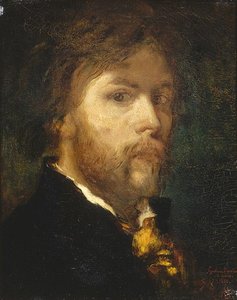
1826 - 1898 , Prancūzija

Master the art of impact with our expert guide to oil on panel. Discover how impasto textures and heavy-body pigments create 3D depth and bold visual energy for modern interiors. Elevate your space with high-impact, hand-painted masterpieces designed for maximum aesthetic punch.


Sekite naujausias meno naujienas, išskirtinius pasiūlymus ir dekoravimo idėjas.
Pasakokite mums apie savo projektą, o mūsų meno ekspertai parengs jums 3 asmeniškus meno pasiūlymus.
Leiskite mums parinkti 3 variantus būtent jums – nemokamai!


 Peržiūrėti realybėje
 Pasidalinti
 Dalintis
 Išsamiau

 Atsisiųsti
 Panašūs eksponatai
 Rentgeno nuotrauka
 Automatinė diorama
 Skaityti daugiau







 Stiklo variantas prieinamas tik pasirinkus dydį iki 110 cm


