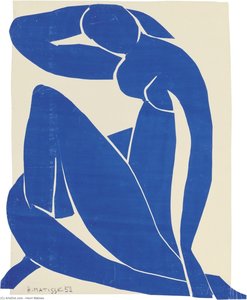
Muziejų lygio „giclée“ arba drobos spausdinimas: greita gamyba ir lankstios apdailos parinktys. ( Pirkti rankomis tapytą paveikslą Pirkti vaizdą)





























Pasirinkite iš mūsų nustatytų dydžių, atitinkančių originalaus meno kūrinio proporcijas.

Galite nurodyti savo matmenis, kad vaizdas atitiktų konkretų rėmą ar erdvę. Jei pasirinktas dydis nesutaps su originalaus paveikslėlio proporcijomis, mes arba apkirpsime kūrinį, arba išplėsime vaizdą naudojant veideliu atspindėtą arba vientisą šoną. Skaitmeninis maketas bus išsiųstas jums patvirtinti prieš pradedant gamybą.
Atkreipkite dėmesį, kad ekrane matomas vaizdinys neatspindi tikrojo apkirpimo ar išplėtimo. Tik maketas tiksliai parodytų galutinę kompoziciją.
Nors galima rinktis ir individualius dydžius, rekomenduojame pasirinkti vieną iš išanksti nustatytų matmenų, kad būtų išlaikytos originalios proporcijos.
Pristatymas visame pasaulyje () per 2 weeks, o ne įprastas 4/5 savaičių laikotarpis. (16 rugpjūtis)


The Ballet Dancer
Reprodukcijos matmenys
Henri Matisse’s “The Ballet Dancer,” painted in 1927, stands as a cornerstone of Fauvist art—a movement that irrevocably altered the course of twentieth-century painting. More than just a depiction of a ballet dancer poised on a sofa, this artwork embodies Matisse's unwavering belief in color as expressive language and his masterful manipulation of pigment to convey emotion.
The deliberate choice of green and blue isn’t merely aesthetic; it speaks to Matisse’s profound understanding of psychology. These colors evoke tranquility and harmony—mirroring the dancer's composure and suggesting a connection to nature. The inclusion of the apple and banana adds another layer of interpretation. Apples, traditionally associated with innocence and beauty, contrast with the banana – representing exoticism and perhaps hinting at the performer’s journey or aspiration.
“The Ballet Dancer” transcends its subject matter to become an emblem of Matisse's artistic vision—a testament to his conviction that color could unlock profound emotional resonance. It continues to inspire artists and collectors alike, offering a glimpse into the heart of Fauvist innovation and demonstrating the enduring power of visual art to communicate beauty and feeling.
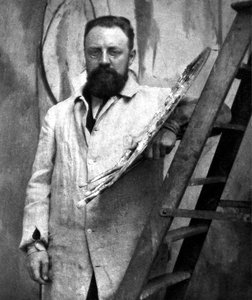
1869 - 1954 , Prancūzija

Explore the profound evolution of art from Impressionism to Post-Impressionism. Discover how masters like Van Gogh revolutionized color and emotion, shaping modern art history through structural innovation and expressive technique.


Sekite naujausias meno naujienas, išskirtinius pasiūlymus ir dekoravimo idėjas.
Pasakokite mums apie savo projektą, o mūsų meno ekspertai parengs jums 3 asmeniškus meno pasiūlymus.
Leiskite mums parinkti 3 variantus būtent jums – nemokamai!


 Peržiūrėti realybėje
 Pasidalinti
 Dalintis
 Išsamiau

 Atsisiųsti
 Panašūs eksponatai
 Rentgeno nuotrauka
 Automatinė diorama

 Skaityti daugiau







 Stiklo variantas prieinamas tik pasirinkus dydį iki 110 cm