Acrylic On CanvasWallArtMannerism
 1639
1639 8.0 x 20.0 cm
 Britų meno Jėilos centras
Muziejų lygio „giclée“ arba drobos spausdinimas: greita gamyba ir lankstios apdailos parinktys. ( Pirkti rankomis tapytą paveikslą Pirkti vaizdą)





























Pasirinkite iš mūsų nustatytų dydžių, atitinkančių originalaus meno kūrinio proporcijas.

Galite nurodyti savo matmenis, kad vaizdas atitiktų konkretų rėmą ar erdvę. Jei pasirinktas dydis nesutaps su originalaus paveikslėlio proporcijomis, mes arba apkirpsime kūrinį, arba išplėsime vaizdą naudojant veideliu atspindėtą arba vientisą šoną. Skaitmeninis maketas bus išsiųstas jums patvirtinti prieš pradedant gamybą.
Atkreipkite dėmesį, kad ekrane matomas vaizdinys neatspindi tikrojo apkirpimo ar išplėtimo. Tik maketas tiksliai parodytų galutinę kompoziciją.
Nors galima rinktis ir individualius dydžius, rekomenduojame pasirinkti vieną iš išanksti nustatytų matmenų, kad būtų išlaikytos originalios proporcijos.
Pristatymas visame pasaulyje () per 2 weeks, o ne įprastas 4/5 savaičių laikotarpis. (19 rugpjūtis)


Five Classical Heads
Reprodukcijos matmenys
Before Inigo Jones arrived on British shores, architectural ambition was largely dictated by Gothic sensibilities—pointed arches dominating cathedrals and palaces alike. The prevailing aesthetic prioritized verticality and ornamentation, reflecting a spiritual worldview rooted in medieval tradition. However, the burgeoning Renaissance fervor sweeping across Europe, particularly Italy, offered an entirely different paradigm: Palladio’s villas championed harmony, proportion, and symmetry, embodying humanist ideals of beauty and rationality.
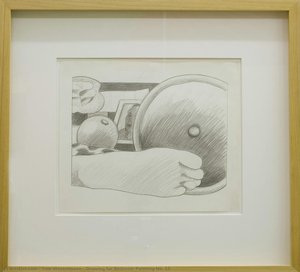
Andrea del Sarto's “Five Classical Heads,” completed around 1639, stands as a testament to the transformative power of Palladio and Vitruvius’s ideas. Executed with masterful pen and ink technique—a method favored by Mannerist artists—the drawing captures five male heads in strikingly varied poses and expressions.
Inigo Jones's journey to Italy marked an irreversible turning point in British architectural history. Witnessing firsthand the grandeur of Roman villas and palaces—designed according to Palladio’s principles—Jones returned with a renewed conviction that English buildings could achieve comparable beauty and sophistication.
"Five Classical Heads" transcends mere technical virtuosity; it embodies profound symbolic significance—reflecting the humanist preoccupation with idealized beauty and human intellect. Each head conveys a distinct mood—ranging from serene contemplation to intense focus—capturing the essence of human experience within the framework of classical ideals.
The drawing’s subdued palette and meticulous detailing evoke a sense of quiet dignity and intellectual engagement, inviting viewers to contemplate the enduring legacy of Palladio and Vitruvius—architects who irrevocably transformed the artistic landscape of Europe and inspired generations of artists to pursue excellence in form and expression.

1573 - 1652 , United Kingdom

Explore the resurgence of Neo-Classicism. Discover how the bold return of order, symmetry, and mythic power is redefining modern luxury interiors through museum-quality, hand-painted reproductions and bespoke classical commissions for the discerning art collector.


Sekite naujausias meno naujienas, išskirtinius pasiūlymus ir dekoravimo idėjas.
Pasakokite mums apie savo projektą, o mūsų meno ekspertai parengs jums 3 asmeniškus meno pasiūlymus.
Leiskite mums parinkti 3 variantus būtent jums – nemokamai!


 Peržiūrėti realybėje
 Pasidalinti
 Dalintis
 Išsamiau

 Atsisiųsti
 Panašūs eksponatai
 Rentgeno nuotrauka
 Automatinė diorama
 Skaityti daugiau







 Stiklo variantas prieinamas tik pasirinkus dydį iki 110 cm