PreviewPreview Pirkti atspaudą Pirkti atspaudąUžsisakyti kopiją Užsisakyti kopiją PasidalintiPasidalinti
IšsamiauIšsamiau Pridėti į mėgstamiausius Pridėti į mėgstamiausius AtsisiųstiAtsisiųsti Panašūs eksponataiPanašūs eksponatai Rentgeno nuotraukaRentgeno nuotrauka Automatinė dioramaAutomatinė diorama

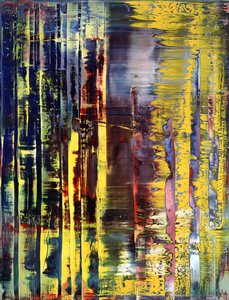
Cosmic Firebird

Jack Armstrong is a celebrated wildlife artist known for his dynamic paintings of sporting dogs and hunting scenes, capturing the energy of the field with remarkable detail – discover the spirit of the hunt through his captivating artwork.

Įsigykite aukštos skiriamosios raiškos, patobulintą skaitmeninį vaizdą, gerokai pranašesnį už internetinę peržiūrą.

Kiekvieną failą mūsų specialistai kruopščiai paruošia naudojant pažangias technologijas ir profesionalų rankinį retušavimą. Užtikriname, kad kiekvienas vaizdas pasižymėtų išskirtiniu aiškumu, tikslia spalvų atspalviu ir smulkiomis detalėmis.

Baigiamas failas el. paštu pristatomas per 72 valandas; jis optimizuotas nedelsiant naudojimui profesionalioje, redakcinėje ir spausdinimo aplinkoje. Tai ta pati kokybė, kuria pasitiki aukščiausios klasės dizaino studijos, leidyklos ir galerijos.

Skaitmeninis vaizdas

Atsisiųskite didelės raiškos failą asmeniniam naudojimui, spausdinimui ir kūrybiniams projektams.

Visų sumos kaina

$9.99

Kiekvieną skaitinio vaizdo užsakymą papildė

Profesionalus skaitmeninis pristatymas, garantuotas

Pasirinkę BuyPopArt.com, jūs ne tik gaunate paveikslėlį – jūs gaunate profesionaliai patobudintą skaitmeninį kūrinį, sukurtą itin tikniai ir užtikrinantį pasitenkinimą. Štai viską, kas automatiškai pritékia jūsų užsakymui:

shipping_icon
Greitas siuntimas el. paštu

Jūsų aukštos raiškos skaitmeninis vaizdo failas bus išsiųstas jums el. paštu per 72 valaudas nuo užsakymo – paruoštas naudojimui be jokių papildomų veiksmų.

canvas_icon
Skaitmeninis failas su dirbtiniu intelektu

Jūsų meno kūrinys profesionaliai optimizuojamas naudojant pažangius dirbtinio intelekto įrankius ir rankinį redagavimą, užtikrinant maksimalią detalę, aiškumą ir spalvų tikslumą.

insurance_icon
Nemokamas visam laikui pakartotinis siuntimas

Atsitiktinai ištrytikote ar praradote savo failą? Nebijokite – bet kuriuo metu atsiųsime jį jums vėl nemokamai.

tax_icon
Jokio importo mokesčio – niekada

Mėgaukitės savo meno kūriniu akimirka – skaitiniai failai visada yra neapmokestinami, todėl nereikės mokėti muitinės, mokesčių ar pristatymo mokesčių.

color_icon
Spalvų tikslumo garantija

Naudodami profesionalią įrangą ir spalvų valdymo sistemas, užtikriname, kad jūsų skaitmeninis vaizdas kuo tiksliau atspindėtų originalias spalvas.

return_icon
60 dienų pasitenkinimo garantija

Jei nebuvate patenkinti savo skaitinio vaizdo, per 60 dienų jį pertaisysime arba grąkinsime 100% sumą – be jokių klausimų.

guarantee_icon
100% pinigų grąžinimo garantija

Nepat 만족inti? Gaukite visą sumokėtą sumą per 60 dienų nuo skaitmeninio failo gavimo – be jokių papildomų klausimų.

discount_icon
Nuolaidos dideliems užsakymams

Pirkti 3 nuotraukas – pasiūla 10% - Pirkti 5 – pasiūla 15% - Pirkti 10 ir daugiau – pasiūla 20%. Puikiai tinka kūrybiniams projektams, galerijoms bei agentūroms.


Autoriaus biografija

The Enduring Appeal of Nostalgia: The Art of Jack Armstrong

Jack Armstrong is an artist whose work resonates deeply with a sense of shared memory and the comforting glow of Americana. Born in 1948, he didn’t emerge from the traditional art school system but rather from a background steeped in commercial illustration and design. This formative experience proved pivotal, shaping his distinctive style that blends meticulous realism with a heartfelt embrace of mid-20th century culture. Armstrong's paintings aren’t simply depictions of objects; they are portals to a bygone era, evoking the sights, sounds, and feelings associated with post-war America – diners, classic cars, vintage toys, and the everyday ephemera that defined a generation. He is, at his core, a storyteller who uses imagery as his medium, inviting viewers to reconnect with their own personal histories and collective pasts.

From Illustration to Iconography: A Developing Style

Armstrong’s early career focused on commercial art, creating illustrations for magazines, advertisements, and packaging. This period honed his technical skills – a mastery of light, shadow, and detail that remains central to his work today. However, he found himself increasingly drawn to subjects beyond the demands of client briefs. He began painting scenes from his childhood, initially as a personal exercise but soon recognizing a wider appeal. These early works featured meticulously rendered images of 1950s gas stations, chrome-laden automobiles, and brightly colored storefronts. He wasn’t interested in simply recreating these scenes; he sought to capture the *feeling* of them – the optimism, the energy, and the sense of possibility that characterized the era. This shift from illustration to fine art was marked by a growing emphasis on nostalgia, not as sentimental longing but as a powerful force for connection and understanding. He deliberately avoids any hint of irony or cynicism in his depictions, instead presenting these scenes with genuine affection and respect.

Influences and Artistic Lineage

While Armstrong doesn’t explicitly cite specific artistic influences, the echoes of several movements can be detected in his work. The hyperrealism of artists like Richard Estes and Chuck Close is evident in his meticulous attention to detail, but Armstrong's paintings possess a warmth and emotional depth that sets them apart. The influence of Norman Rockwell is also apparent – not in terms of narrative complexity, but in the artist’s ability to evoke a strong sense of American identity and shared values.
  • Edward Hopper: The quiet solitude and evocative atmosphere found in Hopper's work resonate with Armstrong's depictions of everyday scenes.
  • Pop Art: Although not directly aligned with the Pop Art movement, Armstrong shares its fascination with popular culture and consumerism, albeit approached from a more personal and less critical perspective.
  • American Regionalism: The focus on distinctly American subjects and landscapes connects him to artists like Grant Wood and Thomas Hart Benton.
However, Armstrong’s work ultimately stands as something unique – a synthesis of technical skill, personal memory, and a deep appreciation for the aesthetic qualities of mid-20th century America.

Major Themes and Recurring Motifs

Several themes consistently appear throughout Armstrong's oeuvre. The automobile is perhaps his most iconic motif, representing freedom, mobility, and the open road. His depictions of classic cars are not merely portraits of vehicles; they are symbols of a particular time and place, imbued with a sense of romance and adventure. Diners also feature prominently in his work, serving as gathering places for communities and embodiments of American hospitality. Vintage toys and advertising signs further contribute to the nostalgic atmosphere, evoking childhood memories and the consumer culture of the post-war era. Light is crucial in Armstrong’s paintings – he masterfully captures the warm glow of neon lights, the harsh glare of sunlight on chrome, and the soft shadows that define familiar spaces. He often focuses on scenes at twilight or dawn, creating a sense of quiet contemplation and inviting viewers to immerse themselves in the atmosphere of his work.

Historical Significance and Enduring Legacy

Jack Armstrong’s art has achieved widespread popularity, resonating with collectors and enthusiasts across generations. His paintings are not simply decorative; they serve as cultural touchstones, reminding us of a time when life seemed simpler and more optimistic. He tapped into a collective yearning for the past, offering viewers a comforting escape from the complexities of modern life. Armstrong’s work has also been instrumental in preserving the aesthetic qualities of mid-20th century America – his meticulous depictions of vintage objects and scenes serve as valuable historical records. His influence can be seen in the work of contemporary artists who explore themes of nostalgia, memory, and American identity. As long as people continue to seek connection with their pasts, Jack Armstrong’s art will undoubtedly endure, offering a timeless glimpse into a bygone era and reminding us of the enduring power of shared memories.