PreviewPreview Pirkti atspaudą Pirkti atspaudąUžsisakyti kopiją Užsisakyti kopiją PasidalintiPasidalinti
IšsamiauIšsamiau Pridėti į mėgstamiausius Pridėti į mėgstamiausius AtsisiųstiAtsisiųsti Panašūs eksponataiPanašūs eksponatai Rentgeno nuotraukaRentgeno nuotrauka Automatinė dioramaAutomatinė diorama

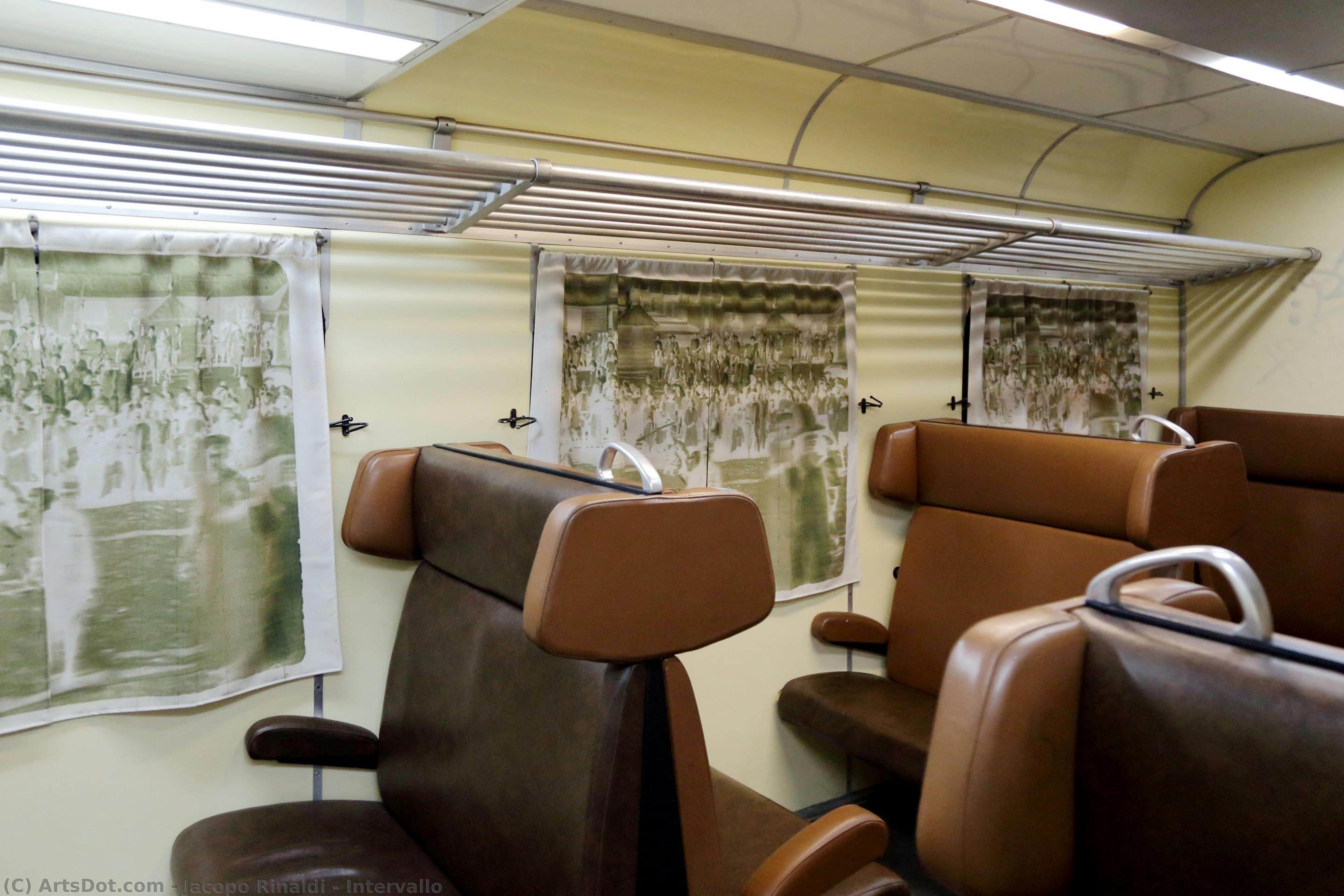
Intervallo

Explore 'Intervallo' by Jacopo Rinaldi – a captivating moving installation blending archive footage & train nostalgia. Italian art, documentary style, evokes travel & memory.

Discover Jacopo Rinaldi, Italian artist exploring memory & time through archive materials. Exhibitions, awards, and residency programs highlight his unique visual arts style.

Įsigykite aukštos skiriamosios raiškos, patobulintą skaitmeninį vaizdą, gerokai pranašesnį už internetinę peržiūrą.

Kiekvieną failą mūsų specialistai kruopščiai paruošia naudojant pažangias technologijas ir profesionalų rankinį retušavimą. Užtikriname, kad kiekvienas vaizdas pasižymėtų išskirtiniu aiškumu, tikslia spalvų atspalviu ir smulkiomis detalėmis.

Baigiamas failas el. paštu pristatomas per 72 valandas; jis optimizuotas nedelsiant naudojimui profesionalioje, redakcinėje ir spausdinimo aplinkoje. Tai ta pati kokybė, kuria pasitiki aukščiausios klasės dizaino studijos, leidyklos ir galerijos.

Skaitmeninis vaizdas

Atsisiųskite didelės raiškos failą asmeniniam naudojimui, spausdinimui ir kūrybiniams projektams.

Visų sumos kaina

$9.99

Kiekvieną skaitinio vaizdo užsakymą papildė

Profesionalus skaitmeninis pristatymas, garantuotas

Pasirinkę BuyPopArt.com, jūs ne tik gaunate paveikslėlį – jūs gaunate profesionaliai patobudintą skaitmeninį kūrinį, sukurtą itin tikniai ir užtikrinantį pasitenkinimą. Štai viską, kas automatiškai pritékia jūsų užsakymui:

shipping_icon
Greitas siuntimas el. paštu

Jūsų aukštos raiškos skaitmeninis vaizdo failas bus išsiųstas jums el. paštu per 72 valaudas nuo užsakymo – paruoštas naudojimui be jokių papildomų veiksmų.

canvas_icon
Skaitmeninis failas su dirbtiniu intelektu

Jūsų meno kūrinys profesionaliai optimizuojamas naudojant pažangius dirbtinio intelekto įrankius ir rankinį redagavimą, užtikrinant maksimalią detalę, aiškumą ir spalvų tikslumą.

insurance_icon
Nemokamas visam laikui pakartotinis siuntimas

Atsitiktinai ištrytikote ar praradote savo failą? Nebijokite – bet kuriuo metu atsiųsime jį jums vėl nemokamai.

tax_icon
Jokio importo mokesčio – niekada

Mėgaukitės savo meno kūriniu akimirka – skaitiniai failai visada yra neapmokestinami, todėl nereikės mokėti muitinės, mokesčių ar pristatymo mokesčių.

color_icon
Spalvų tikslumo garantija

Naudodami profesionalią įrangą ir spalvų valdymo sistemas, užtikriname, kad jūsų skaitmeninis vaizdas kuo tiksliau atspindėtų originalias spalvas.

return_icon
60 dienų pasitenkinimo garantija

Jei nebuvate patenkinti savo skaitinio vaizdo, per 60 dienų jį pertaisysime arba grąkinsime 100% sumą – be jokių klausimų.

guarantee_icon
100% pinigų grąžinimo garantija

Nepat 만족inti? Gaukite visą sumokėtą sumą per 60 dienų nuo skaitmeninio failo gavimo – be jokių papildomų klausimų.

discount_icon
Nuolaidos dideliems užsakymams

Pirkti 3 nuotraukas – pasiūla 10% - Pirkti 5 – pasiūla 15% - Pirkti 10 ir daugiau – pasiūla 20%. Puikiai tinka kūrybiniams projektams, galerijoms bei agentūroms.

Kolekcinio objekto aprašymas

Intervallo is a moving piece on a railcar crossing Salento from Lecce to Gagliano del Capo, southern Italy. The installation consists in the substitution of a train window shades with printed curtains reproducing still shots from a 1935 newsreel. The sequence is a one-second footage divided into the number of the train windows. The original footage is a tracking shot which was caught through the windows of a newly produced Littorina railcar during the fascist regime. Since then “littorina” became an Italian commonly used term indicating railway cars. The train station

Autoriaus biografija

Early Life and Formation in Rome

Jacopo Rinaldi, born in Rome in 1988, emerged from a city steeped in layers of history—a landscape that would profoundly shape his artistic vision. His early exposure to the Eternal City’s complex narrative, its palimpsest of eras and ideologies, instilled within him a fascination with memory, time, and the very nature of representation. This formative period wasn't simply about observing Rome’s grandeur; it was about sensing the echoes beneath the surface, the stories held within its stones and archives. Rinaldi’s academic path reflected this inclination, beginning with studies at the Academy of Fine Arts in Rome before expanding his focus to visual arts and curatorial studies at NABA in Milan. This dual pursuit—the creation of art alongside a critical engagement with its presentation and context—would become a defining characteristic of his practice. The foundational years were crucial in establishing not only his technical skills but also his conceptual framework, setting the stage for an exploration that would increasingly intertwine personal investigation with broader historical inquiries.

The Szeemann Archive and Early Exhibitions

A pivotal moment in Rinaldi’s development came with his involvement at the Szeemann Archive starting in 2011. Working within this repository of art historical documentation—the legacy of the influential curator Harald Szeemann—provided him with unprecedented access to a wealth of materials, methodologies, and perspectives. The archive wasn't merely a collection of objects; it was a living testament to the power of artistic research and critical thinking. This experience profoundly influenced his approach, fostering a deep engagement with archival sources as both subject matter and medium. His early exhibitions began to reflect this sensibility, often incorporating found materials, documents, and ephemera to explore themes of collective memory and historical reconstruction. These weren’t simply displays of artifacts; they were carefully constructed narratives designed to provoke questions about the construction of history itself—how it is recorded, interpreted, and ultimately remembered (or forgotten).

Themes of Memory, Time, and Image

Rinaldi's work consistently orbits around the elusive nature of memory. He doesn’t seek to *reconstruct* the past in a literal sense but rather to excavate its fragments, revealing the inherent subjectivity and instability of historical accounts. This is often achieved through his skillful manipulation of archive materials—photographs, documents, texts—which are presented not as definitive evidence but as traces of lived experience, imbued with their own biases and limitations. Time itself becomes a central concern, explored not as a linear progression but as a layered and fragmented phenomenon. His installations frequently employ moving images and sound to create immersive environments that evoke a sense of temporal disorientation, challenging viewers to confront the complexities of historical perception. The image, in Rinaldi’s work, is never neutral; it's always mediated by context, interpretation, and the passage of time.

Major Achievements and Recognition

Rinaldi’s artistic trajectory has been marked by a growing recognition within the contemporary art world. His participation in residency programs has allowed him to expand his research into new territories, fostering collaborations and deepening his engagement with diverse cultural contexts. The exhibition *Intervallo*, for example—a captivating moving installation blending archive footage and train nostalgia—demonstrates his ability to evoke powerful emotional responses through subtle yet evocative juxtapositions. His work was featured in the ninth edition of *Portfolio* at the Quadriennale di Roma, a significant platform for emerging Italian artists. The piece presented there, *iio sono un disgraziato il mio destino è di morir in prigione strangolato*, exemplifies his critical approach to historical memory and the problematic categorization of individuals based on physical characteristics. This achievement, along with numerous other solo and group exhibitions, underscores his growing influence within the Italian art scene.

Historical Significance and Future Directions

Jacopo Rinaldi’s work occupies a unique space within contemporary artistic discourse. He isn't simply an artist who *uses* archives; he is an artist who interrogates the very foundations of archival practice—its power structures, its biases, and its inherent limitations. His exploration of memory, time, and image resonates with broader theoretical concerns surrounding post-structuralism, critical history, and the construction of identity. By challenging conventional notions of historical representation, Rinaldi invites viewers to become active participants in the process of meaning-making, questioning the narratives they have been taught and seeking out alternative perspectives. As he continues to develop his practice, it is likely that his work will continue to push boundaries, prompting critical reflection on the complexities of our shared past and its enduring impact on the present. His dedication to research, combined with a keen sensitivity to aesthetic form, positions him as a significant voice in contemporary Italian art—an artist whose work promises to provoke thought and inspire dialogue for years to come.
jacopo rinaldi

jacopo rinaldi

1988 - , Italy

Trumpai apie šį kūrėją

  • Artistic Movement Or Style: Contemporary art
  • Date Of Birth: 1988
  • Full Name: Jacopo Rinaldi
  • Nationality: Italian
  • Notable Artworks: ['Intervallo']
  • Place Of Birth: Rome, Italy
