

Rankiniu būdu tapytas aliejus ant droblio jūsų pageidaujamame dydį ir rėmuose – mūsų menininkų darbas pagal užsakymą. ( Perejti prie spausdinimo Perjungti į vaizdą)
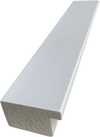
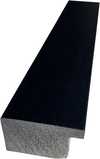
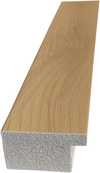
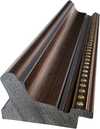
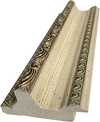
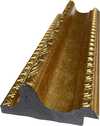
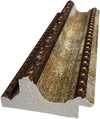
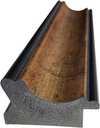
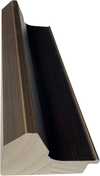
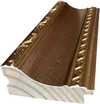
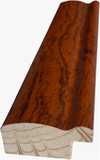
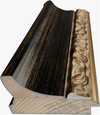
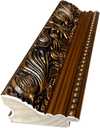
Pasirinkite iš mūsų nustatytų dydžių, atitinkančių originalaus meno kūrinio proporcijas.

Galite įvesti savo matmenis, kad jie atitiktų konkretų rėmą ar erdvę. Jei pasirinktas dydis neatitinka originalaus paveikslėlio proporcijų, mes arba apkropsime meno kūrinį, arba papildysime tapybą rankomis dažytい elementais. Prieš pradėdami gamybą, jūsų patvirtinimui atsiųsime skaitmeninį maketą.
Atkreipkite dėmesį, kad ekrane rodomas vaizdas neatspindi tikrojo apkarpymo ar papildymo. Tik maketas tiksliai parodys galutinę kompoziciją.
Nors galima rinktis ir individualius dydžius, rekomenduojame pasirinkti matmenis iš nustatytos sąrašo, kad būtų išlaikytos originalios proporcijos.
Pristatymas visame pasaulyje () per 3–4 savaites, o ne įprastai – per 5 savaites. (31 liepa). Kokybė lieka nepakeičiama.


sorrow
Reprodukcijos matmenys
Jacques-Louis David's Sorrow is a deeply affecting work that transcends simple portraiture, offering instead a poignant study of human emotion rendered with the meticulous precision characteristic of Neoclassical art. Created sometime during his prolific career (1748-1825), this black and white painting exemplifies David’s ability to distill complex psychological states into strikingly visual form.
The composition centers on a solitary female figure, her head adorned with a delicate wreath of leaves. Her long, flowing hair frames a face cast downward in what appears to be profound contemplation – or perhaps grief. David’s masterful use of chiaroscuro—the dramatic interplay of light and shadow—heightens the emotional intensity, drawing the viewer's eye to her expressive features. The figure occupies a significant portion of the canvas, creating an intimate connection with the observer. While the background is subtly rendered, it provides depth and context without distracting from the central subject.
Sorrow embodies the hallmarks of Neoclassicism: a commitment to clarity, order, and idealized form. David’s technique is characterized by precise draftsmanship and meticulous attention to detail, reflecting his rigorous academic training. The stark contrast between light and shadow not only emphasizes the woman's emotional state but also showcases David’s technical prowess. The painting’s monochromatic palette further contributes to its somber mood and timeless quality.
David was a pivotal figure during a period of immense social and political upheaval in France, initially gaining prominence before the French Revolution and later becoming deeply involved with its ideals. While Sorrow doesn’t directly depict revolutionary events, it reflects the era's shift towards seriousness, moral virtue, and emotional intensity – qualities central to Neoclassical art. David drew inspiration from classical antiquity, believing it offered a model for artistic excellence and civic responsibility. However, this work subtly anticipates the emerging Romantic sensibilities of the following decades with its focus on subjective experience and intense feeling.
The symbolism within Sorrow is both subtle and evocative. The wreath of leaves suggests a connection to nature, perhaps representing fleeting beauty or the cyclical nature of life and death. It also alludes to classical iconography, linking the figure to ancient ideals of mourning and remembrance. Is this sorrow born of personal loss? Is it a broader reflection on the anxieties of the age? David intentionally leaves these questions open-ended, inviting viewers to project their own emotions onto the figure and contemplate the universal experience of sadness.
The painting’s power lies in its ambiguity and emotional resonance. It evokes a sense of quiet contemplation and invites empathy from the viewer. Its subdued palette and introspective mood make it a compelling addition to various interior settings:
To best showcase Sorrow, consider a neutral wall color – soft greys, warm off-whites, or muted blues will allow the black and white composition to stand out. Subtle lighting focused on the artwork will enhance its dramatic effect. Framing in a simple, elegant style—perhaps matte black, aged gold, or natural wood—will complement the Neoclassical aesthetic without overwhelming the piece.
Sorrow is more than just a painting; it’s a window into the human condition – a timeless exploration of grief, contemplation, and the enduring power of emotion.
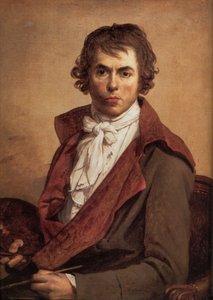
1748 - 1800 , Prancūzija

Journey through 18th century art! Explore 10 iconic paintings – from Rococo elegance to Neoclassical grandeur. Discover Fragonard, David & more. Find museum-quality reproductions and elevate your home decor on BuyPopArt.com.

Delve into the power of 'Ivory Black' with 10 iconic paintings by masters like Rembrandt & Caravaggio. Explore dramatic chiaroscuro, gothic moods & timeless art history. Find museum-quality reproductions and elevate your home decor at
Explore 10 iconic paintings dominated by black tones, from Rembrandt’s chiaroscuro to Goya's dark expressions. Discover the stories behind these masterpieces & find museum-quality art reproductions for your home at .
Delve into the power of 'Mars Black' with 10 iconic paintings by masters like Rembrandt & Caravaggio. Explore dramatic chiaroscuro, gothic art, and timeless beauty. Find museum-quality reproductions & elevate your home decor on .

Paverskite savo asmenines nuotraukas klasikiniu menu su BuyPopArt! Rankų darbo reprodukcijos, individualūs portretai ir aukščiausios kokybės tapybos. Patikimas meninis partneris jūsų namams.


Sekite naujausias meno naujienas, išskirtinius pasiūlymus ir dekoravimo idėjas.
Pasakokite mums apie savo projektą, o mūsų meno ekspertai parengs jums 3 asmeniškus meno pasiūlymus.
Leiskite mums parinkti 3 variantus būtent jums – nemokamai!


 Peržiūrėti realybėje
 Pasidalinti
 Dalintis
 Išsamiau

 Atsisiųsti
 Panašūs eksponatai
 Rentgeno nuotrauka
 Automatinė diorama
 Skaityti daugiau

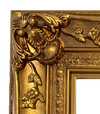
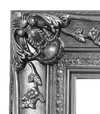
 Stiklo variantas prieinamas tik pasirinkus dydį iki 110 cm


