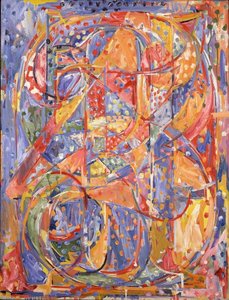
Įsigykite aukštos skiriamosios raiškos, patobulintą skaitmeninį vaizdą, gerokai pranašesnį už internetinę peržiūrą.
Kiekvieną failą mūsų specialistai kruopščiai paruošia naudojant pažangias technologijas ir profesionalų rankinį retušavimą. Užtikriname, kad kiekvienas vaizdas pasižymėtų išskirtiniu aiškumu, tikslia spalvų atspalviu ir smulkiomis detalėmis.
Baigiamas failas el. paštu pristatomas per 72 valandas; jis optimizuotas nedelsiant naudojimui profesionalioje, redakcinėje ir spausdinimo aplinkoje. Tai ta pati kokybė, kuria pasitiki aukščiausios klasės dizaino studijos, leidyklos ir galerijos.
Atsisiųskite didelės raiškos failą asmeniniam naudojimui, spausdinimui ir kūrybiniams projektams. ( Pirkti spaudinį Pirkti rankomis tapytą paveikslą)
Pasirinkę BuyPopArt.com, jūs ne tik gaunate paveikslėlį – jūs gaunate profesionaliai patobudintą skaitmeninį kūrinį, sukurtą itin tikniai ir užtikrinantį pasitenkinimą. Štai viską, kas automatiškai pritékia jūsų užsakymui:

Jūsų aukštos raiškos skaitmeninis vaizdo failas bus išsiųstas jums el. paštu per 72 valaudas nuo užsakymo – paruoštas naudojimui be jokių papildomų veiksmų.

Jūsų meno kūrinys profesionaliai optimizuojamas naudojant pažangius dirbtinio intelekto įrankius ir rankinį redagavimą, užtikrinant maksimalią detalę, aiškumą ir spalvų tikslumą.

Atsitiktinai ištrytikote ar praradote savo failą? Nebijokite – bet kuriuo metu atsiųsime jį jums vėl nemokamai.

Mėgaukitės savo meno kūriniu akimirka – skaitiniai failai visada yra neapmokestinami, todėl nereikės mokėti muitinės, mokesčių ar pristatymo mokesčių.

Naudodami profesionalią įrangą ir spalvų valdymo sistemas, užtikriname, kad jūsų skaitmeninis vaizdas kuo tiksliau atspindėtų originalias spalvas.

Jei nebuvate patenkinti savo skaitinio vaizdo, per 60 dienų jį pertaisysime arba grąkinsime 100% sumą – be jokių klausimų.

Nepat 만족inti? Gaukite visą sumokėtą sumą per 60 dienų nuo skaitmeninio failo gavimo – be jokių papildomų klausimų.

Pirkti 3 nuotraukas – pasiūla 10% - Pirkti 5 – pasiūla 15% - Pirkti 10 ir daugiau – pasiūla 20%. Puikiai tinka kūrybiniams projektams, galerijoms bei agentūroms.
Jasper Johns' Ale Cans (1964) isn’t a grand statement; it’s not a revolutionary explosion of color or form. Instead, it resides in the deceptively simple depiction of two Ballantine Ale cans stacked atop one another. Yet within this seemingly mundane subject lies a profound exploration of perception, representation, and the very nature of art itself. Johns, a pivotal figure bridging Abstract Expressionism and Pop Art, wasn’t interested in simply replicating reality; he was fascinated by how we *see* it, and how that visual experience can be translated into a lasting image.

To fully appreciate Ale Cans, it’s crucial to understand its context within Johns' artistic development. He was deeply influenced by Marcel Duchamp’s concept of the “readymade”—ordinary, mass-produced objects elevated to the status of art simply through the artist’s selection and declaration. Johns didn’t transform the cans into something entirely new; he meticulously rendered them, almost obsessively, as if attempting to capture their essence. This echoes Duchamp's approach – taking the familiar and presenting it in a way that forces us to reconsider its meaning. The work is a direct response to the idea of elevating the commonplace, challenging traditional notions of artistic merit.
The lithograph itself, produced by Universal Limited Art Editions (ULAE), speaks volumes about this process. ULAE was renowned for its high-quality printing and its collaborative approach with artists like Johns, who worked closely with printers to achieve the desired effects. The careful layering of ink, the subtle variations in tone, and the deliberate inclusion of black scribbled lines all contribute to a sense of meticulousness and control – a stark contrast to the seemingly effortless nature of everyday objects.
One of the most striking aspects of Ale Cans is its unsettling juxtaposition of realism and abstraction. The cans appear three-dimensional, rendered with careful attention to detail – the labels, the metallic sheen, even the subtle shadows cast by the table. However, this illusion is immediately undermined by the stark black background, which is clearly flat. This creates a tension between the perceived reality of the objects and the inherent flatness of the printed medium. Johns deliberately exploits this contradiction, forcing the viewer to confront the limitations of representation and the artificiality of the image.
Deborah Wye, in her analysis for *Artists and Prints*, notes that “An interval of several months separated the execution of the first six stones and the seventh, the delicate border in black. The importance of this broken line should not be underestimated, for it at once separates and unites the image and the flatness of the paper.” This deliberate disruption highlights Johns’s conscious engagement with the printing process – he wasn't simply copying an object; he was actively shaping its representation within the constraints of the medium.
Beyond its formal qualities, Ale Cans carries a subtle symbolic weight. The cans themselves are instantly recognizable icons of American consumer culture – a ubiquitous symbol of leisure and refreshment. Johns’s repeated use of this image throughout his career reflects his broader interest in exploring American iconography and the ways in which everyday objects shape our understanding of national identity. The work can be seen as a meditation on the relationship between art, commerce, and the visual landscape of postwar America.
Reproductions of Ale Cans offer a unique opportunity to appreciate Johns’s masterful technique and his profound insights into the nature of representation. A hand-painted reproduction captures not only the image itself but also the artist's deliberate choices, allowing viewers to engage with the work on a deeper level.

1930 - , JAV


Sekite naujausias meno naujienas, išskirtinius pasiūlymus ir dekoravimo idėjas.
Pasakokite mums apie savo projektą, o mūsų meno ekspertai parengs jums 3 asmeniškus meno pasiūlymus.
Leiskite mums parinkti 3 variantus būtent jums – nemokamai!


 Peržiūrėti realybėje
 Pasidalinti
 Dalintis
 Išsamiau

 Atsisiųsti
 Panašūs eksponatai
 Rentgeno nuotrauka
 Automatinė diorama

 Skaityti daugiau