Muziejų lygio „giclée“ arba drobos spausdinimas: greita gamyba ir lankstios apdailos parinktys. ( Switch to hand made Painting Switch to Image)
Pasirinkite iš mūsų nustatytų dydžių, atitinkančių originalaus meno kūrinio proporcijas.

Galite nurodyti savo matmenis, kad vaizdas atitiktų konkretų rėmą ar erdvę. Jei pasirinktas dydis nesutaps su originalaus paveikslėlio proporcijomis, mes arba apkirpsime kūrinį, arba išplėsime vaizdą naudojant veideliu atspindėtą arba vientisą šoną. Skaitmeninis maketas bus išsiųstas jums patvirtinti prieš pradedant gamybą.
Atkreipkite dėmesį, kad ekrane matomas vaizdinys neatspindi tikrojo apkirpimo ar išplėtimo. Tik maketas tiksliai parodytų galutinę kompoziciją.
Nors galima rinktis ir individualius dydžius, rekomenduojame pasirinkti vieną iš išanksti nustatytų matmenų, kad būtų išlaikytos originalios proporcijos.
Pristatymas visame pasaulyje () per 2 weeks, o ne įprastas 4/5 savaičių laikotarpis. (29 liepa)


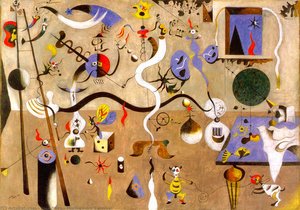
Carota
Reprodukcijos matmenys
Joan Miró’s “Carota,” created around 1978, stands as a testament to the artist's unwavering commitment to abstraction and his profound connection to Catalan culture. This striking painting embodies Miró’s signature style—a mesmerizing blend of organic forms, bold colors, and dynamic lines that capture the essence of Surrealism while simultaneously resonating with the spirit of Catalonia.
Born in Barcelona in 1893, Miró emerged from a milieu steeped in Gaudí’s architectural grandeur and the rugged beauty of the Catalan landscape. His early artistic explorations were marked by illness and initial familial reservations regarding his unconventional pursuits—a backdrop that fueled his determination to translate inner visions onto canvas.
Miró's artistic journey was shaped by movements like Fauvism, Cubism, and Expressionism. However, it was his singular approach to abstraction—combining influences from diverse sources—that cemented his position as a pioneer of modern art. He skillfully employed thick brushstrokes and vibrant hues, layering colors to create an illusionistic depth that defies conventional representation.
The painting’s dominant aesthetic is undeniably Surrealist, prioritizing dreamlike imagery and subconscious exploration. Yet, Miró avoids literal depiction; instead, he utilizes simplified shapes—primarily biomorphic forms reminiscent of plant life—to convey emotion and evoke a sense of movement. These organic abstractions aren't merely decorative elements but symbols representing fertility, growth, and the cyclical rhythms of nature – motifs deeply rooted in Catalan folklore.
Created during Miró’s prolific period, “Carota” reflects the broader artistic landscape of the late 1970s. Surrealism continued to exert influence on European artists, encouraging experimentation with irrationality and challenging established conventions. The painting's monochromatic palette—primarily black and red—amplifies its dramatic impact, mirroring the intensity of Catalan nationalism during that era.
The prominent open mouth depicted in “Carota” serves as a powerful visual metaphor for vocal expression and primal instinct – themes prevalent throughout Miró’s oeuvre. It invites contemplation on the complexities of human emotion and underscores the artist's fascination with the subconscious mind. This artwork is more than just pigment on canvas; it’s an invitation to delve into the depths of imagination and experience.
To appreciate Miró’s artistic genius fully, consider visiting the Fundació Joan Miró in Barcelona – a museum dedicated to preserving his legacy and showcasing his expansive collection. Alternatively, explore more captivating artworks by Miró on Wahoo Art's website: Carota - 1978.
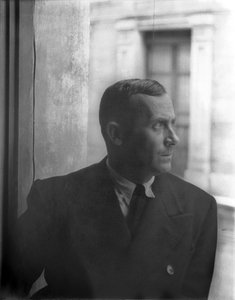
1893 - 1983 , Ispanija

Atraskite 25 įspūdingiausius Džoano Miro kūrinius! Sužinokite apie jo surrealizmą, spalvingus paveikslus ir katalonų meninę viziją. Meno reprodukcijos jūsų interjerui – BuyPopArt.com
Journey through Wassily Kandinsky's 25 most iconic abstract paintings. Explore his revolutionary use of color, form & spiritual expressionism. Find museum-quality Kandinsky reproductions and elevate your home decor with BuyPopArt.com. Discover all masterpieces on BuyPopArt.com!
Atraskite 25 ikoniškus MoMA meno kūrinius! Van Goghas, Picasso ir Warhol – gilinkitės į modernaus meno istoriją. Aukštos kokybės reprodukcijos jūsų interjerui | BuyPopArt.com
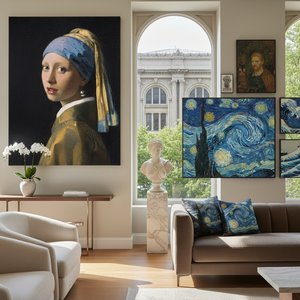
Atraskite 25 įspūdingiausius Metropoliteno meno muziejaus kūrinius! Claude Monet, van Gogh ir kiti meistrai – paveikslų istorijos, spalvų paletės bei interjero dekoravimo idėjos. Meno reprodukcijos aukščiausia kokybe BuyPopArt.com

Atraskite 10 legendinių surrealistinio ekspresionizmo kūrinių! Pažinkite dailininkus, jų techniką ir istorijas. Įkvėpkite meno grožio – nuo Dalio iki Muncho. Aukščiausios kokybės reprodukcijos ir dekoro idėjos BuyPopArt.com. Išnagrinėkite visą kolekciją internete!


Sekite naujausias meno naujienas, išskirtinius pasiūlymus ir dekoravimo idėjas.
Pasakokite mums apie savo projektą, o mūsų meno ekspertai parengs jums 3 asmeniškus meno pasiūlymus.
Leiskite mums parinkti 3 variantus būtent jums – nemokamai!


 Preview
 Pasidalinti
 Dalintis
 Išsamiau

 Atsisiųsti
 Panašūs eksponatai
 Rentgeno nuotrauka
 Automatinė diorama

 Skaityti daugiau
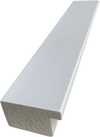
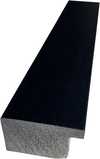
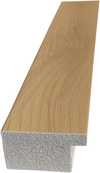
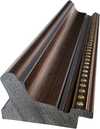
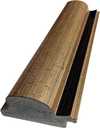
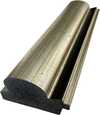
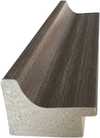
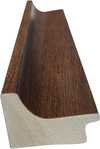
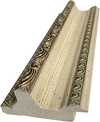
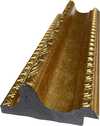
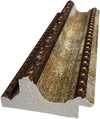
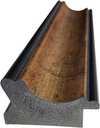
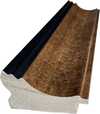
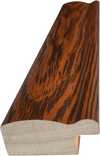
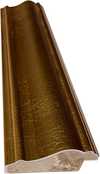
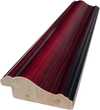
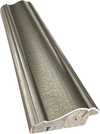
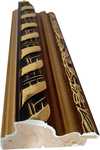
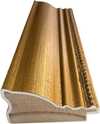
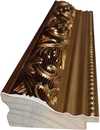
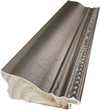
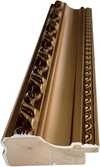
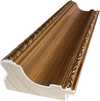
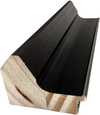
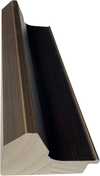
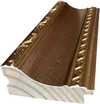
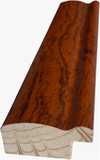
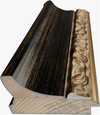
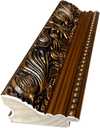
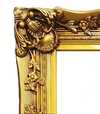
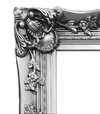
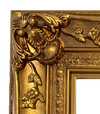
 Stiklo variantas prieinamas tik pasirinkus dydį iki 110 cm