

Muziejų lygio „giclée“ arba drobos spausdinimas: greita gamyba ir lankstios apdailos parinktys. ( Pirkti rankomis tapytą paveikslą Pirkti vaizdą)





























Pasirinkite iš mūsų nustatytų dydžių, atitinkančių originalaus meno kūrinio proporcijas.

Galite nurodyti savo matmenis, kad vaizdas atitiktų konkretų rėmą ar erdvę. Jei pasirinktas dydis nesutaps su originalaus paveikslėlio proporcijomis, mes arba apkirpsime kūrinį, arba išplėsime vaizdą naudojant veideliu atspindėtą arba vientisą šoną. Skaitmeninis maketas bus išsiųstas jums patvirtinti prieš pradedant gamybą.
Atkreipkite dėmesį, kad ekrane matomas vaizdinys neatspindi tikrojo apkirpimo ar išplėtimo. Tik maketas tiksliai parodytų galutinę kompoziciją.
Nors galima rinktis ir individualius dydžius, rekomenduojame pasirinkti vieną iš išanksti nustatytų matmenų, kad būtų išlaikytos originalios proporcijos.
Pristatymas visame pasaulyje () per 2 weeks, o ne įprastas 4/5 savaičių laikotarpis. (18 rugpjūtis)


Façade
Reprodukcijos matmenys
Leon Battista Alberti's “Façade,” conceived around 1472 and meticulously realized in the Basilica of Sant’Andrea in Mantua, Italy, represents far more than just a building exterior. It embodies a pivotal moment in Renaissance architectural thought – a conscious return to classical ideals interwoven with innovative humanist principles. Born into an unconventional family in Genoa, Alberti's early life instilled within him a spirit of independence and a relentless pursuit of knowledge across diverse fields, shaping his approach to art, architecture, and beyond. This wasn’t merely the creation of a façade; it was the articulation of a new philosophy of design, one deeply rooted in proportion, harmony, and the celebration of human intellect.
The commission itself held significant weight: Alberti was tasked with transforming an existing bell tower into a monumental entrance to the Basilica. This seemingly simple assignment became a profound exercise in architectural synthesis, demanding he reconcile ancient Roman forms – particularly the iconic Arch of Trajan at Ancona – with the burgeoning spirit of the Renaissance. The result is a structure that simultaneously echoes the grandeur of antiquity and anticipates the stylistic innovations of the era.
The façade’s design is immediately striking for its symmetrical balance, a cornerstone of classical architecture. A central archway, flanked by two smaller arches on either side, establishes a clear visual hierarchy. Above these openings, decorative elements – subtly carved niches and what appear to be windows – add layers of complexity and interest. However, it’s the semi-circular window dominating the center that truly commands attention. Framed within an elaborate structure of columns and intricate carvings, this vast opening isn't just a functional element; it’s a deliberate gesture, inviting light into the heart of the Basilica and symbolizing the divine illumination accessible through faith.
The roofline is punctuated by a series of smaller domes or cupolas, contributing to the overall sense of verticality and grandeur. Alberti masterfully employed perspective – a concept he himself developed – to create an illusion of depth and scale, drawing the eye upwards towards the heavens. The muted color palette—earth tones that suggest age and history—further enhances the façade’s timeless quality, lending it an aura of dignified permanence.
Alberti's meticulous attention to detail is evident in every aspect of the façade. The realistic rendering of architectural elements – from the fluted columns to the precisely carved capitals – demonstrates his deep understanding of classical techniques. The subtle use of shadow, cast by the left side of the image, adds a remarkable sense of depth and dimension, as if capturing a fleeting moment of light and atmosphere. Beyond mere technical skill, however, lies a profound symbolic intent.
The façade’s design is not simply decorative; it's a carefully constructed dialogue between past and present. By referencing the Roman arch, Alberti asserts the enduring relevance of classical principles while simultaneously forging a new architectural language for the Renaissance. The Basilica itself, dedicated to Saint Andrew, embodies a synthesis of Christian faith and classical ideals – a testament to the humanist belief in the harmonious integration of all aspects of human experience.
BuyPopArt offers meticulously crafted hand-painted reproductions that capture the essence of Alberti’s “Façade.” Each reproduction is created by skilled artists who have studied the original with painstaking detail, ensuring an unparalleled level of accuracy and authenticity. Whether you're a discerning collector, an interior designer seeking to evoke the grandeur of the Renaissance, or simply an admirer of timeless beauty, our reproductions provide a stunning way to experience this iconic masterpiece. Explore the available sizes and options on our website to bring this extraordinary work of art into your home or office.

1404 - 1472 , इटalija

Explore the life & art of James Sant (1820-1916), renowned Victorian portraitist to Queen Victoria. Discover his captivating depictions of childhood, landscapes, and aristocratic society. Learn about his legacy & find fine art reproductions.

Explore the life & art of Andrea del Sarto, a Florentine Renaissance master renowned for harmonious compositions & technical brilliance. Discover his frescoes, portraits, and lasting influence on art history.

Embark on a visual journey through Italy's most iconic landscapes and Renaissance masterpieces. Discover the profound beauty of classical art, from Venetian altarpieces to serene countryside vistas, curated for the discerning art enthusiast and collector.
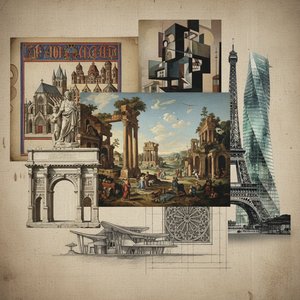
Explore the rich history of architecture in art, from Renaissance theory to 19th-century reconstructions. Discover key artists & movements shaping visual representation – a guide for discerning collectors.

Transform your home with the elegance of Renaissance Italy. Discover museum-quality, hand-painted oil reproductions and custom portraits designed to bring timeless beauty, dramatic light, and classical sophistication to any modern interior space.


Sekite naujausias meno naujienas, išskirtinius pasiūlymus ir dekoravimo idėjas.
Pasakokite mums apie savo projektą, o mūsų meno ekspertai parengs jums 3 asmeniškus meno pasiūlymus.
Leiskite mums parinkti 3 variantus būtent jums – nemokamai!


 Peržiūrėti realybėje
 Pasidalinti
 Dalintis
 Išsamiau

 Atsisiųsti
 Panašūs eksponatai
 Rentgeno nuotrauka
 Automatinė diorama


 Skaityti daugiau







 Stiklo variantas prieinamas tik pasirinkus dydį iki 110 cm


