Pirkti atspaudą Pirkti atspaudąPirkti skaitmeninį paveikslą Pirkti skaitmeninį paveikslą PasidalintiPasidalinti
IšsamiauIšsamiau Pridėti į mėgstamiausius Pridėti į mėgstamiausius AtsisiųstiAtsisiųsti Panašūs eksponataiPanašūs eksponatai Rentgeno nuotraukaRentgeno nuotrauka Automatinė dioramaAutomatinė diorama

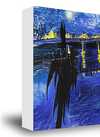
Monologue Patterns

Explore the contemporary art of Loris Cecchini, an Italian artist exhibiting globally. Known for his diverse installations & participation in Venice Biennale & beyond. Discover unique perspectives on modern themes.

Rankų darbo aliejinės reprodukcijos

Rankiniu būdu tapytas aliejus ant droblio jūsų pageidaujamame dydį ir rėmuose – mūsų menininkų darbas pagal užsakymą.

Standard
custom
CM
INCH

Pasirinkite iš mūsų nustatytų dydžių, atitinkančių originalaus meno kūrinio proporcijas.

plotis
aukštis

Galite įvesti savo matmenis, kad jie atitiktų konkretų rėmą ar erdvę. Jei pasirinktas dydis neatitinka originalaus paveikslėlio proporcijų, mes arba apkropsime meno kūrinį, arba papildysime tapybą rankomis dažytい elementais. Prieš pradėdami gamybą, jūsų patvirtinimui atsiųsime skaitmeninį maketą.
Atkreipkite dėmesį, kad ekrane rodomas vaizdas neatspindi tikrojo apkarpymo ar papildymo. Tik maketas tiksliai parodys galutinę kompoziciją.
Nors galima rinktis ir individualius dydžius, rekomenduojame pasirinkti matmenis iš nustatytos sąrašo, kad būtų išlaikytos originalios proporcijos.

Ką galima pakeisti (pavyzdžiai): Pakeisti veidą į kliento nuotrauką; Pridėti augintinį (pvz., pakeisti katę šunimi); Įtraukti paslėptą žinutę fone; Pakeisti fono kraštovaizdį ar elementus.
Gavus užsakymą, BuyPopArt.com komanda susisieks su klientu el. paštu dėl instrukcijų ir pateiks maketo pavyzdį.

Pristatymas visame pasaulyje () per 3–4 savaites, o ne įprastai – per 5 savaites. (18 liepa). Kokybė lieka nepakeičiama.

why_choose_icon
Nemokamas greitasis pristatymas visame pasaulyje
why_choose_icon
Aukštos kokybės lininis drobė
why_choose_icon
Pilnas siuntimo draudimas
why_choose_icon
Muitinės mokesčių grąžinimo garantija
why_choose_icon
Tikro spalvų atitikimo garantija
why_choose_icon
60 dienų grąžinimo politika (tik esant gamyklinėms defektams)
why_choose_icon
100% pinigų grąžinimo garantija
why_choose_icon
Nuolaida už kelias reprodukcijas

Visų darbų kaina

-

reproduction

Monologue Patterns

Reprodukcijos technika

Reprodukcijos matmenys

-

Galutinė kaina

-


Autoriaus biografija

Kara Walker: Unearthing Histories Through Shadow and Silhouette

Kara Walker is a singular voice in contemporary art, a name synonymous with unsettling beauty, layered narratives, and the potent exploration of American history—particularly its legacy of race, gender, and violence. Born in November 1969, her work has rapidly ascended to prominence, challenging viewers to confront uncomfortable truths through meticulously crafted silhouettes, large-scale installations, and evocative prints. Walker’s artistic journey is marked by a deliberate excavation of the past, transforming historical events and social anxieties into visually arresting and emotionally resonant experiences. Walker's early life in Atlanta, Georgia, provided fertile ground for her later artistic preoccupations. Growing up amidst the vestiges of the American South—the remnants of plantations, the echoes of slavery—shaped her understanding of a nation grappling with its own complex and often contradictory identity. This formative environment instilled within her a deep curiosity about the stories that were deliberately obscured or marginalized, prompting her to seek out and amplify voices silenced by history. Her father, a prominent figure in Atlanta’s art scene, nurtured her creative spirit from an early age, exposing her to diverse artistic traditions and encouraging her independent thinking. This foundation proved crucial as she began to develop her distinctive visual language—the stark black silhouettes against white backgrounds that would become her signature style. At the core of Walker's practice lies a masterful manipulation of silhouette. Initially experimenting with cut paper during college at Rhode Island School of Design, she quickly realized the power of this simple medium to convey complex narratives and evoke potent emotional responses. Her silhouettes aren’t merely stylistic choices; they are carefully constructed representations of historical scenes—often depicting antebellum plantation life, the realities of slavery, and the enduring impact of racial injustice. These scenes are rarely presented in a straightforward manner. Instead, Walker employs a theatrical approach, creating immersive environments that invite viewers to step into the narratives she’s constructing. Her most famous works, such as *Darkytown Rebellion* (1997) and *no place (like home)* (2003), are sprawling room-sized installations populated by hundreds of intricately cut paper figures engaged in scenes of violence, sexual exploitation, and domestic servitude. These tableaux aren’t intended to be celebratory or romanticized; rather, they serve as stark reminders of the brutality and trauma inflicted upon African Americans during a period of immense suffering. Walker's artistic development has been significantly influenced by a range of sources—from the work of Kara Beauchamp, who introduced her to cut paper techniques, to the writings of Toni Morrison and James Baldwin, whose explorations of race and identity provided crucial intellectual frameworks for her creative process. She also draws inspiration from historical maps, architectural drawings, and the visual language of minstrel shows, deliberately appropriating and subverting these tropes to expose their underlying biases and prejudices. Furthermore, Walker’s work engages with broader themes of gender, sexuality, and power dynamics—often depicting women as both victims and perpetrators within oppressive social structures. Her installations frequently challenge conventional representations of race and gender, forcing viewers to confront uncomfortable questions about the construction of identity and the perpetuation of stereotypes. Beyond her monumental installations, Walker has also produced a significant body of work in printmaking, film, and performance art. Her prints, characterized by their intricate detail and haunting imagery, offer a more intimate glimpse into her artistic vision. She’s also explored themes of surveillance and control through her films, often utilizing the silhouette technique to create unsettling and psychologically charged narratives. In 2015, Walker assumed the Tepper Chair in Visual Arts at Rutgers University's Mason Gross School of the Arts, continuing her commitment to fostering critical dialogue about art and society. Kara Walker’s work is not simply aesthetically pleasing; it is a powerful act of historical reckoning. By employing the evocative language of silhouette, she compels viewers to confront the uncomfortable truths of America’s past—and, by extension, its present. Her art serves as a vital reminder that history is never passively received but actively constructed through interpretation and representation. Her continued exploration of these themes ensures her place as one of the most important and challenging artists working today, prompting ongoing conversations about race, gender, and the enduring legacy of injustice.
loris cecchini

loris cecchini

1969 - , Italy

Trumpa informacija

  • Artistic Movement Or Style: Silhouettist, installation artist
  • Artists Or Movements Influenced By This Artist: ['Fons Americanus']
  • Artists Who Influenced This Artist: ['Augustus Saint-Gaudens']
  • Date Of Birth: November 26, 1969
  • Full Name: Kara Elizabeth Walker
  • Nationality: American
  • Notable Artworks:
    • Darkytown Rebellion
    • no place (like home)
  • Place Of Birth: United States