

 Oil On CanvasWallArtCubism
 1912Modern
 112.0 x 193.0 cm
Rankiniu būdu tapytas aliejus ant droblio jūsų pageidaujamame dydį ir rėmuose – mūsų menininkų darbas pagal užsakymą. ( Pirkti spaudinį Pirkti vaizdą)





























Pasirinkite iš mūsų nustatytų dydžių, atitinkančių originalaus meno kūrinio proporcijas.

Galite įvesti savo matmenis, kad jie atitiktų konkretų rėmą ar erdvę. Jei pasirinktas dydis neatitinka originalaus paveikslėlio proporcijų, mes arba apkropsime meno kūrinį, arba papildysime tapybą rankomis dažytい elementais. Prieš pradėdami gamybą, jūsų patvirtinimui atsiųsime skaitmeninį maketą.
Atkreipkite dėmesį, kad ekrane rodomas vaizdas neatspindi tikrojo apkarpymo ar papildymo. Tik maketas tiksliai parodys galutinę kompoziciją.
Nors galima rinktis ir individualius dydžius, rekomenduojame pasirinkti matmenis iš nustatytos sąrašo, kad būtų išlaikytos originalios proporcijos.
Pristatymas visame pasaulyje () per 3–4 savaites, o ne įprastai – per 5 savaites. (21 rugpjūtis). Kokybė lieka nepakeičiama.


Birth
Reprodukcijos matmenys
Marc Chagall’s “Birth,” completed in 1912 during his formative years in Paris, stands as a cornerstone of Cubist expressionism—a bold departure from traditional representation that prioritizes emotion and subjective experience. More than just a depiction of childbirth itself, the painting delves into the artist's deeply rooted recollections of his childhood in Vitebsk, Belarus, transforming a simple domestic scene into a fantastical tapestry woven with symbolism and infused with an unparalleled luminosity.
Painted against the backdrop of revolutionary Russia, “Birth” reflects the anxieties and aspirations of its time. Vitebsk itself was a crucible of cultural exchange—a vibrant crossroads between Russian Orthodox tradition and Jewish modernity—influencing Chagall’s artistic sensibility profoundly. The painting captures this duality, portraying figures engaged in both mundane activities (preparing dinner) and extraordinary gestures (the acrobat leaping for joy), symbolizing the interplay between everyday life and transcendent imagination.
The imagery within “Birth” is laden with symbolic resonance. The acrobats represent vitality and exuberance, mirroring Chagall’s own youthful optimism. The mother figure embodies nurturing strength and maternal instinct—a central theme in Jewish folklore and a powerful expression of familial devotion. Furthermore, the swirling patterns and luminous colors evoke the ethereal beauty of Vitebsk’s landscapes and contribute to the painting's dreamlike quality.
"Birth" transcends mere visual representation; it communicates a profound emotional depth. The artist’s palpable nostalgia for his childhood home—a place imbued with both joy and sorrow—permeates the canvas, inviting viewers to contemplate themes of family, memory, and the transformative power of imagination. Chagall's masterful manipulation of color and form compels us to confront not only the physicality of childbirth but also its spiritual significance—a testament to his enduring legacy as one of the most emotionally resonant artists of the 20th century.
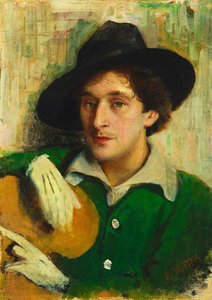
1887 - 1985 , Baltarusija

Explore 10 defining Cubist Expressionism masterpieces by Picasso, Braque & more. Discover the stories behind these bold, geometric paintings and bring museum-quality art to your home with BuyPopArt.com. Explore the full collection online.

Explore 10 defining German Expressionism masterpieces – from Munch's 'The Scream' to Kandinsky’s abstracts. Discover the artists, stories & bold colors behind this powerful art movement. Find museum-quality reproductions at BuyPopArt.com.

Explore the rich history & techniques of oil painting – from Renaissance masters to Impressionism. Discover pigments, layering methods, and why this timeless medium endures. Expert insights for artists & art enthusiasts.

Explore the rich history & enduring techniques of oil painting on canvas. Discover the science behind its longevity, conservation practices, and contemporary relevance. Expert insights for art enthusiasts.

Explore the profound world of Franz Marc's Expressionist paintings. Discover his spiritual connection to animals, innovative use of color, and lasting impact on modern art history. Learn more at BuyPopArt.


Sekite naujausias meno naujienas, išskirtinius pasiūlymus ir dekoravimo idėjas.
Pasakokite mums apie savo projektą, o mūsų meno ekspertai parengs jums 3 asmeniškus meno pasiūlymus.
Leiskite mums parinkti 3 variantus būtent jums – nemokamai!


 Peržiūrėti realybėje
 Pasidalinti
 Dalintis
 Išsamiau

 Atsisiųsti
 Panašūs eksponatai
 Rentgeno nuotrauka
 Automatinė diorama
 Skaityti daugiau







 Stiklo variantas prieinamas tik pasirinkus dydį iki 110 cm


