Acrylic On CanvasWallArtFantastic Expressionism
 1914Modern
 49.0 x 37.0 cm
Rankiniu būdu tapytas aliejus ant droblio jūsų pageidaujamame dydį ir rėmuose – mūsų menininkų darbas pagal užsakymą. ( Pirkti spaudinį Pirkti vaizdą)





























Pasirinkite iš mūsų nustatytų dydžių, atitinkančių originalaus meno kūrinio proporcijas.

Galite įvesti savo matmenis, kad jie atitiktų konkretų rėmą ar erdvę. Jei pasirinktas dydis neatitinka originalaus paveikslėlio proporcijų, mes arba apkropsime meno kūrinį, arba papildysime tapybą rankomis dažytい elementais. Prieš pradėdami gamybą, jūsų patvirtinimui atsiųsime skaitmeninį maketą.
Atkreipkite dėmesį, kad ekrane rodomas vaizdas neatspindi tikrojo apkarpymo ar papildymo. Tik maketas tiksliai parodys galutinę kompoziciją.
Nors galima rinktis ir individualius dydžius, rekomenduojame pasirinkti matmenis iš nustatytos sąrašo, kad būtų išlaikytos originalios proporcijos.
Pristatymas visame pasaulyje () per 3–4 savaites, o ne įprastai – per 5 savaites. (13 rugpjūtis). Kokybė lieka nepakeičiama.


Clock
Reprodukcijos matmenys
Marc Chagall's "Clock," painted in 1914, is more than just a depiction of a timepiece; it’s a poignant meditation on time, memory, and the enduring power of personal narrative. This intimate work, measuring 49 x 37 cm, immediately draws the viewer into a dreamlike space populated by familiar yet subtly distorted figures. The central focus is undeniably the yellow clock – a bold, almost aggressively cheerful presence – its hands frozen in a perpetual moment, suggesting a suspension of time itself. The blue frame, a cool counterpoint to the warm yellow, adds an element of formality and perhaps a touch of melancholy, hinting at the passage of years and the inevitable march forward.
Painted in 1914, at the cusp of the First World War, “Clock” reflects the anxieties and uncertainties of the era while firmly rooted in Chagall’s deeply personal history. Born Moishe Shagal in 1887 in Liozna, Belarus – a town that would forever remain etched within his artistic consciousness – Chagall was profoundly influenced by its unique cultural landscape. The painting subtly evokes this environment: the juxtaposition of religious and secular elements, the vibrant marketplace scenes, and the enduring presence of memory. The figure seated before the clock can be interpreted as a representation of Chagall himself, lost in contemplation, perhaps reflecting on his own place within the relentless flow of time.
The symbolism within “Clock” is layered and open to interpretation. The clock itself, a traditional symbol of time, is rendered almost absurdly large, emphasizing its dominance in the scene. The man seated before it could represent humanity’s futile attempts to control or understand time. The presence of the standing figure behind him adds another layer of complexity – perhaps representing observation, judgment, or simply another soul caught within the same timeless contemplation. The overall effect is one of quiet introspection and a poignant awareness of mortality. The painting evokes a sense of nostalgia, longing, and the bittersweet beauty of remembering.
This hand-painted reproduction captures the essence of Chagall's genius, offering an exceptional opportunity to bring a piece of art history into your home or office. The meticulous attention to detail, combined with the vibrant colors and expressive brushwork, ensures that this artwork will be a captivating focal point for years to come. Whether you are an established collector, an admirer of Chagall’s work, or simply seeking a unique decorative element, “Clock” is a timeless investment in beauty and artistic legacy.
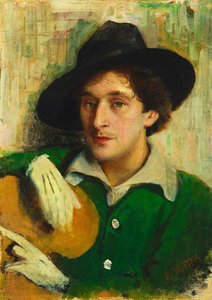
1887 - 1985 , Baltarusija

Master the art of decorating with impact. Our expert guide decodes Giclée prints, exploring archival quality, pigment-based inks, and how to choose between high-fidelity reproductions and hand-painted oils for a bold, museum-grade aesthetic in your space.


Sekite naujausias meno naujienas, išskirtinius pasiūlymus ir dekoravimo idėjas.
Pasakokite mums apie savo projektą, o mūsų meno ekspertai parengs jums 3 asmeniškus meno pasiūlymus.
Leiskite mums parinkti 3 variantus būtent jums – nemokamai!


 Peržiūrėti realybėje
 Pasidalinti
 Dalintis
 Išsamiau

 Atsisiųsti
 Panašūs eksponatai
 Rentgeno nuotrauka
 Automatinė diorama
 Skaityti daugiau







 Stiklo variantas prieinamas tik pasirinkus dydį iki 110 cm