Muziejų lygio „giclée“ arba drobos spausdinimas: greita gamyba ir lankstios apdailos parinktys. ( Perejti prie rankinio darbo paveikslėlio Perjungti į vaizdą)





























Pasirinkite iš mūsų nustatytų dydžių, atitinkančių originalaus meno kūrinio proporcijas.

Galite nurodyti savo matmenis, kad vaizdas atitiktų konkretų rėmą ar erdvę. Jei pasirinktas dydis nesutaps su originalaus paveikslėlio proporcijomis, mes arba apkirpsime kūrinį, arba išplėsime vaizdą naudojant veideliu atspindėtą arba vientisą šoną. Skaitmeninis maketas bus išsiųstas jums patvirtinti prieš pradedant gamybą.
Atkreipkite dėmesį, kad ekrane matomas vaizdinys neatspindi tikrojo apkirpimo ar išplėtimo. Tik maketas tiksliai parodytų galutinę kompoziciją.
Nors galima rinktis ir individualius dydžius, rekomenduojame pasirinkti vieną iš išanksti nustatytų matmenų, kad būtų išlaikytos originalios proporcijos.
Pristatymas visame pasaulyje () per 2 weeks, o ne įprastas 4/5 savaičių laikotarpis. (11 rugpjūtis)


David
Reprodukcijos matmenys
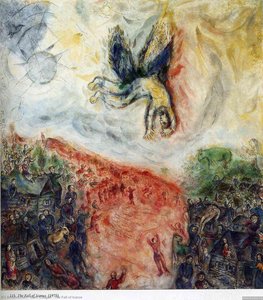
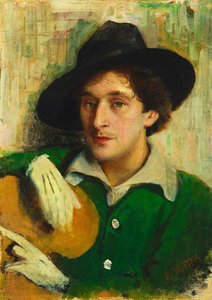
Marc Chagall’s “David,” painted in 1914, is not merely a depiction of a man with a guitar; it’s an immersion into the artist’s deeply personal world, a realm where reality dissolves into dream and memory. Born Moishe Shagal in 1887 in Liozna, Belarus – a town that would forever haunt his artistic imagination – Chagall established himself as one of the most distinctive voices of the early 20th century. This particular work exemplifies his signature style: a vibrant, almost hallucinatory blend of Cubist influences with deeply rooted Jewish folklore and a profound yearning for home. The painting immediately draws the eye to the central figure, a man seemingly lost in contemplation, cradling a guitar as if it were a precious relic. The bird perched upon the instrument adds another layer of symbolic richness, representing freedom, spirituality, and perhaps even the artist’s own restless spirit.
Beyond its formal qualities, “David” is laden with potent symbolism. The guitar itself represents music, a universal language of emotion and memory, but also perhaps a longing for connection to the past. The bird, frequently appearing in Chagall’s work, symbolizes freedom, spiritual aspiration, and the ability to transcend earthly limitations. The posture of the figure – gazing downwards, lost in thought – suggests introspection and a desire to recapture vanished moments. It's a scene that evokes a sense of melancholy beauty, reminiscent of biblical narratives and folk tales.
Painted in 1914, just as Europe was teetering on the brink of war, “David” reflects a world grappling with uncertainty. Chagall's art offered an escape from the anxieties of the era, transporting viewers to a realm of heightened emotion and imaginative possibility. This reproduction captures not only the visual impact of the original but also the profound emotional resonance that continues to captivate audiences today. It’s a testament to Chagall’s ability to transform personal memory into universal symbols, inviting us to contemplate our own place in time and the enduring power of dreams.
1887 - 1985 , Baltarusija

Transform your cherished travel photos into timeless oil paintings with expert artists at BuyPopArt.com. Museum-quality reproductions & custom portraits – preserve your memories beautifully.

Journey through art history with our guide to 10 legendary oil on canvas masterpieces! Explore iconic works by Van Gogh, Monet & Rembrandt. Find museum-quality reproductions and elevate your home decor at . Discover all masterpieces online.

Explore 10 Cubist masterpieces by Picasso, Braque & more! Discover the stories behind these revolutionary paintings and their impact on modern art. Find museum-quality reproductions for your home at BuyPopArt.com – where art comes to life.

Explore 10 defining Cubist Expressionism masterpieces by Picasso, Braque & more. Discover the stories behind these bold, geometric paintings and bring museum-quality art to your home with BuyPopArt.com. Explore the full collection online.
Atraskite 25 įspūdingiausius Katsushika Hokusai kūrinius! Žiūrėkite *Didžiąją bangą*, *Fuji kalną* ir kitus Ukiyo-e stiliaus šedevrus. Meno reprodukcijos jūsų interjerui – BuyPopArt.com


Sekite naujausias meno naujienas, išskirtinius pasiūlymus ir dekoravimo idėjas.
Pasakokite mums apie savo projektą, o mūsų meno ekspertai parengs jums 3 asmeniškus meno pasiūlymus.
Leiskite mums parinkti 3 variantus būtent jums – nemokamai!


 Peržiūrėti realybėje
 Pasidalinti
 Dalintis
 Išsamiau

 Atsisiųsti
 Panašūs eksponatai
 Rentgeno nuotrauka
 Automatinė diorama

 Skaityti daugiau







 Stiklo variantas prieinamas tik pasirinkus dydį iki 110 cm