AcrylicWallArtPrimitive Surrealism
 1956
1956 47.0 x 63.0 cm
Muziejų lygio „giclée“ arba drobos spausdinimas: greita gamyba ir lankstios apdailos parinktys. ( Pirkti rankomis tapytą paveikslą Pirkti vaizdą)





























Pasirinkite iš mūsų nustatytų dydžių, atitinkančių originalaus meno kūrinio proporcijas.

Galite nurodyti savo matmenis, kad vaizdas atitiktų konkretų rėmą ar erdvę. Jei pasirinktas dydis nesutaps su originalaus paveikslėlio proporcijomis, mes arba apkirpsime kūrinį, arba išplėsime vaizdą naudojant veideliu atspindėtą arba vientisą šoną. Skaitmeninis maketas bus išsiųstas jums patvirtinti prieš pradedant gamybą.
Atkreipkite dėmesį, kad ekrane matomas vaizdinys neatspindi tikrojo apkirpimo ar išplėtimo. Tik maketas tiksliai parodytų galutinę kompoziciją.
Nors galima rinktis ir individualius dydžius, rekomenduojame pasirinkti vieną iš išanksti nustatytų matmenų, kad būtų išlaikytos originalios proporcijos.
Pristatymas visame pasaulyje () per 2 weeks, o ne įprastas 4/5 savaičių laikotarpis. (12 rugpjūtis)


David
Reprodukcijos matmenys
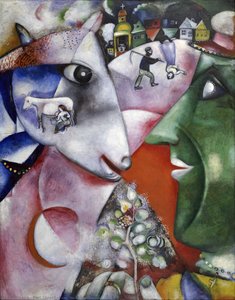
Marc Chagall’s “David,” painted in 1956, isn't merely a depiction of biblical grandeur; it’s an embodiment of Chagall’s lifelong preoccupation with dreams and recollections—a visual distillation of Vitebsk itself. The painting captures a solitary blue bird perched atop a branch laden with verdant leaves, its gaze directed towards the viewer, establishing an immediate connection between the natural world and the contemplative spirit.
Chagall's artistic approach aligns powerfully with the tenets of naive art, or primitivism. Rejecting academic conventions and striving for an unfiltered expression of emotion, he eschewed meticulous realism in favor of a stylized visual language characterized by flattened perspectives and simplified forms. The vibrant color palette—dominantly blues and greens—is applied with loose, expressive brushstrokes that convey movement and spontaneity. These techniques prioritize feeling over precise representation, mirroring the artist’s own internal landscape.
“David” is inextricably linked to Chagall’s formative years in Vitebsk, Belarus—a town steeped in the traditions of both Russian Orthodox Christianity and Hasidic Judaism. This duality profoundly shaped his artistic vision, informing his recurring motifs of flying figures, representing aspiration and transcendence, alongside depictions of animals imbued with spiritual significance. The artist's engagement with Jewish folklore reflects a desire to preserve cultural memory amidst the upheavals of the Soviet era.
The central figure—the blue bird—serves as a potent symbol of hope and spiritual renewal. Its posture suggests contemplation and observation, inviting the viewer to share in Chagall’s meditative gaze. The branch and leaves represent stability and connection to nature, anchoring the bird's symbolic journey within a familiar earthly realm. These elements coalesce into a harmonious composition that speaks to themes of innocence, faith, and the enduring power of imagination.
"David" encapsulates the essence of Chagall's artistic philosophy—a commitment to conveying profound emotional truths through a deceptively simple visual language. The painting exudes a dreamlike atmosphere, transporting the viewer into Chagall’s inner world where logic yields to intuition and memory reigns supreme. Ultimately, it stands as a testament to his ability to distill complex spiritual ideas into evocative imagery, securing its place among the most cherished works of 20th-century art.
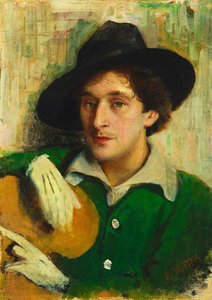
1887 - 1985 , Baltarusija

Atraskite 25 įspūdingiausius Marc Chagall kūrinius! Išsami analizė, meno istorija ir spalvingų paveikslų simbolika. Įkvėpkite interjero dekorui su aukštos kokybės Chagall reprodukcijomis. Explore the full collection online!

Immerse yourself in the captivating world of slate blue! Explore 10 iconic paintings by Monet, Van Gogh & Renoir. Discover their stories, techniques & find museum-quality art reproductions for your home at .
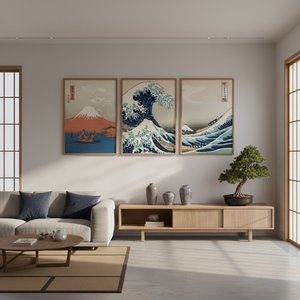
Atraskite 25 įspūdingiausius Katsushika Hokusai kūrinius! Žiūrėkite *Didžiąją bangą*, *Fuji kalną* ir kitus Ukiyo-e stiliaus šedevrus. Meno reprodukcijos jūsų interjerui – BuyPopArt.com
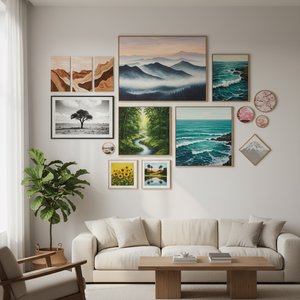
Journey through 10 breathtaking landscape paintings by Monet, Van Gogh & more! Explore iconic artworks, artistic techniques & find inspiration for your home decor. Museum-quality reproductions at BuyPopArt.com. Discover all masterpieces on BuyPopArt.com

Atraskite 10 legendinių romantinio peizažo kūrinių! Pasinerkite į Claude Lorrain, Caspar David Friedrich ir J.M.W. Turner genijaus pasaulį. Išmokite apie tapybos meistriškumą bei gamtos grožį. Aukščiausios kokybės meno reprodukcijos – BuyPopArt.com. Tyrinėkite kolekciją!


Sekite naujausias meno naujienas, išskirtinius pasiūlymus ir dekoravimo idėjas.
Pasakokite mums apie savo projektą, o mūsų meno ekspertai parengs jums 3 asmeniškus meno pasiūlymus.
Leiskite mums parinkti 3 variantus būtent jums – nemokamai!


 Peržiūrėti realybėje
 Pasidalinti
 Dalintis
 Išsamiau

 Atsisiųsti
 Panašūs eksponatai
 Rentgeno nuotrauka
 Automatinė diorama
 Skaityti daugiau







 Stiklo variantas prieinamas tik pasirinkus dydį iki 110 cm