Acrylic On CanvasWallArtSurrealism
 1951
1951 25.0 x 33.0 cm
Rankiniu būdu tapytas aliejus ant droblio jūsų pageidaujamame dydį ir rėmuose – mūsų menininkų darbas pagal užsakymą. ( Perejti prie spausdinimo Perjungti į vaizdą)





























Pasirinkite iš mūsų nustatytų dydžių, atitinkančių originalaus meno kūrinio proporcijas.

Galite įvesti savo matmenis, kad jie atitiktų konkretų rėmą ar erdvę. Jei pasirinktas dydis neatitinka originalaus paveikslėlio proporcijų, mes arba apkropsime meno kūrinį, arba papildysime tapybą rankomis dažytい elementais. Prieš pradėdami gamybą, jūsų patvirtinimui atsiųsime skaitmeninį maketą.
Atkreipkite dėmesį, kad ekrane rodomas vaizdas neatspindi tikrojo apkarpymo ar papildymo. Tik maketas tiksliai parodys galutinę kompoziciją.
Nors galima rinktis ir individualius dydžius, rekomenduojame pasirinkti matmenis iš nustatytos sąrašo, kad būtų išlaikytos originalios proporcijos.
Pristatymas visame pasaulyje () per 3–4 savaites, o ne įprastai – per 5 savaites. (11 rugpjūtis). Kokybė lieka nepakeičiama.


Paradise
Reprodukcijos matmenys
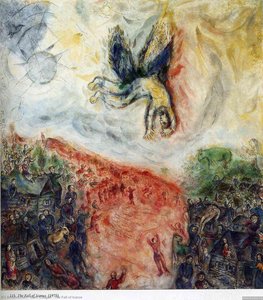
Marc Chagall’s “Paradise,” completed in 1951, isn't merely a depiction of biblical imagery; it’s an embodiment of Chagall’s lifelong preoccupation with memory and the fantastical realm of dreams—a realm profoundly shaped by his formative years in Vitebsk.
Chagall’s artistic vocabulary is steeped in folklore and Jewish tradition. The animals – particularly the horses—are not simply present; they carry symbolic weight, representing fertility, strength, and spiritual aspiration. Their scattered positions throughout the composition contribute to a feeling of disorientation and reinforce the dreamlike atmosphere.
The figures of Adam and Eve are depicted in an idealized manner, yet their postures convey vulnerability and contemplation—a subtle acknowledgment of humanity’s fall from grace while simultaneously celebrating the enduring power of innocence. The inclusion of birds symbolizes hope and ascension, mirroring biblical narratives about deliverance and divine intervention.
"Paradise" transcends mere visual representation; it communicates a profound emotional depth—a yearning for lost paradise and an unwavering belief in the transformative potential of imagination. Chagall’s masterful use of color and line creates a captivating experience for the viewer, inviting contemplation on themes of spirituality, memory, and the enduring beauty of myth.
This sketch and study serves as a testament to Chagall's ability to distill complex emotions into simple forms—a characteristic that distinguishes his work from many others of its era. It’s a piece that continues to resonate with audiences today, offering an unforgettable glimpse into the artist’s inner world and reaffirming the enduring power of dreamlike art.
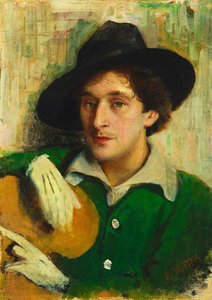
1887 - 1985 , Baltarusija

Atraskite 25 įspūdingiausius Marc Chagall kūrinius! Išsami analizė, meno istorija ir spalvingų paveikslų simbolika. Įkvėpkite interjero dekorui su aukštos kokybės Chagall reprodukcijomis. Explore the full collection online!

Explore the rich history of biblical art from Giotto to the Renaissance masters. Discover symbolism, techniques & enduring legacies with BuyPopArt – your source for museum-quality reproductions and expert art insights.

Explore the captivating world of mystical art with BuyPopArt. Discover the emotional resonance & hidden symbolism in masterpieces by De Chirico, Chagall & more. Expert insights for discerning collectors.

Explore the profound history of biblical art! Discover Renaissance masterpieces by Giotto & more. Uncover symbolism, artistic techniques, and lasting influence. Expert insights at BuyPopArt.
Atraskite 25 įspūdingiausius Max Ernst kūrinius – nuo dadaizmo iki surrealizmo. Tapybos meistriškumas, psichologinis realizmas ir unikalios technikos. Įkvėpkite interjerui su BuyPopArt.com reprodukcijomis! Explore the full collection online.


Sekite naujausias meno naujienas, išskirtinius pasiūlymus ir dekoravimo idėjas.
Pasakokite mums apie savo projektą, o mūsų meno ekspertai parengs jums 3 asmeniškus meno pasiūlymus.
Leiskite mums parinkti 3 variantus būtent jums – nemokamai!


 Peržiūrėti realybėje
 Pasidalinti
 Dalintis
 Išsamiau

 Atsisiųsti
 Panašūs eksponatai
 Rentgeno nuotrauka
 Automatinė diorama
 Skaityti daugiau







 Stiklo variantas prieinamas tik pasirinkus dydį iki 110 cm