Acrylic On CanvasWallArtSurrealist Art
 1960Modern
 32.0 x 24.0 cm
Rankiniu būdu tapytas aliejus ant droblio jūsų pageidaujamame dydį ir rėmuose – mūsų menininkų darbas pagal užsakymą. ( Pirkti spaudinį Pirkti vaizdą)





























Pasirinkite iš mūsų nustatytų dydžių, atitinkančių originalaus meno kūrinio proporcijas.

Galite įvesti savo matmenis, kad jie atitiktų konkretų rėmą ar erdvę. Jei pasirinktas dydis neatitinka originalaus paveikslėlio proporcijų, mes arba apkropsime meno kūrinį, arba papildysime tapybą rankomis dažytい elementais. Prieš pradėdami gamybą, jūsų patvirtinimui atsiųsime skaitmeninį maketą.
Atkreipkite dėmesį, kad ekrane rodomas vaizdas neatspindi tikrojo apkarpymo ar papildymo. Tik maketas tiksliai parodys galutinę kompoziciją.
Nors galima rinktis ir individualius dydžius, rekomenduojame pasirinkti matmenis iš nustatytos sąrašo, kad būtų išlaikytos originalios proporcijos.
Pristatymas visame pasaulyje () per 3–4 savaites, o ne įprastai – per 5 savaites. (13 rugpjūtis). Kokybė lieka nepakeičiama.


The Circus
Reprodukcijos matmenys
Marc Chagall's "The Circus," created in 1960, transcends mere representation; it embodies the very spirit of Naïve Art (Primitivism), transporting viewers into a realm where logic yields to imagination and memory dances with fantasy. Measuring 32 x 24 cm, this lithograph is more than just an image—it’s a portal to Chagall's deeply personal vision of childhood recollections and Jewish tradition.
Chagall’s stylistic approach aligns perfectly with the tenets of Naïve Art, a movement characterized by artists devoid of formal artistic training who nevertheless produce strikingly original works. Unlike academic painting, which strives for meticulous realism, Chagall deliberately eschews precision, favoring exaggerated proportions and flattened perspectives—techniques that heighten emotional impact and prioritize expressive color palettes. The stark black and white rendering of the central figure is juxtaposed with bursts of vibrant yellow, creating a dynamic tension that underscores the artwork’s dreamlike quality.
The composition itself narrates a story—a tale of wonder and movement. At its core stands a dancer, rendered in bold black and white, whose upward gaze embodies grace and aspiration. Surrounding him are symbolic elements that enrich the narrative: a clown figure on the right, representing humor and absurdity; and a horse’s head emerging from the left, symbolizing fertility and primal instinct—references to Chagall's formative years spent in Vitebsk, where he witnessed firsthand the confluence of Orthodox faith and Jewish culture.
Dominating the canvas is a pervasive yellow hue, not merely decorative but profoundly emotive. Yellow represents joy, optimism, and enlightenment—themes central to Chagall’s artistic worldview. It illuminates the figures and landscape alike, fostering an atmosphere of enchantment and inviting contemplation. The artist's deliberate use of color serves as a conduit for conveying feelings rather than documenting reality.
Born Moishe Shagal in 1887 in Liovana, Belarus, Chagall’s artistic journey coincided with the burgeoning modernist movement. Yet, he steadfastly championed Naïve Art (Primitivism), rejecting academic conventions and prioritizing intuitive expression. This decision reflects a broader trend within art history—a yearning for authenticity and an appreciation of unfiltered emotion—and secures “The Circus”'s place as a cornerstone of Chagall’s legacy.
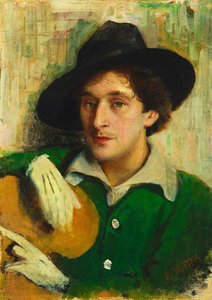
1887 - 1985 , Baltarusija

Ditch the boring decor. Discover why Naive Art's raw, bold, and unfiltered aesthetic is the ultimate trend for modern urban spaces. Learn how to use vibrant colors and unstudied sincerity to create a high-impact, authentic vibe in your home or studio.


Sekite naujausias meno naujienas, išskirtinius pasiūlymus ir dekoravimo idėjas.
Pasakokite mums apie savo projektą, o mūsų meno ekspertai parengs jums 3 asmeniškus meno pasiūlymus.
Leiskite mums parinkti 3 variantus būtent jums – nemokamai!


 Peržiūrėti realybėje
 Pasidalinti
 Dalintis
 Išsamiau

 Atsisiųsti
 Panašūs eksponatai
 Rentgeno nuotrauka
 Automatinė diorama
 Skaityti daugiau







 Stiklo variantas prieinamas tik pasirinkus dydį iki 110 cm