Rankiniu būdu tapytas aliejus ant droblio jūsų pageidaujamame dydį ir rėmuose – mūsų menininkų darbas pagal užsakymą. ( Perejti prie spausdinimo Perjungti į vaizdą)





























Pasirinkite iš mūsų nustatytų dydžių, atitinkančių originalaus meno kūrinio proporcijas.

Galite įvesti savo matmenis, kad jie atitiktų konkretų rėmą ar erdvę. Jei pasirinktas dydis neatitinka originalaus paveikslėlio proporcijų, mes arba apkropsime meno kūrinį, arba papildysime tapybą rankomis dažytい elementais. Prieš pradėdami gamybą, jūsų patvirtinimui atsiųsime skaitmeninį maketą.
Atkreipkite dėmesį, kad ekrane rodomas vaizdas neatspindi tikrojo apkarpymo ar papildymo. Tik maketas tiksliai parodys galutinę kompoziciją.
Nors galima rinktis ir individualius dydžius, rekomenduojame pasirinkti matmenis iš nustatytos sąrašo, kad būtų išlaikytos originalios proporcijos.
Pristatymas visame pasaulyje () per 3–4 savaites, o ne įprastai – per 5 savaites. (5 rugpjūtis). Kokybė lieka nepakeičiama.


India Rubber Trees at Buitenzorg, Java
Reprodukcijos matmenys
Marianne North (1830 – 1890), a woman remarkably ahead of her time, defied societal expectations and embarked on an extraordinary journey fueled by both artistic passion and scientific curiosity. Born in Hastings, England, she initially pursued musical studies but succumbed to illness, redirecting her energies toward the captivating art form of flower painting—a decision that would ultimately propel her into a life of unparalleled adventure.
“India Rubber Trees at Buitenzorg, Java,” painted circa 1876, exemplifies North’s distinctive style and unwavering dedication to capturing the splendor of the natural world. Executed in oil on board, this artwork transcends mere representation; it's a testament to meticulous observation and skillful technique.
Subject Matter & Context: The painting depicts a serene park setting dominated by towering rubber trees—a species introduced to Buitenzorg (now Bogor Botanical Gardens), Java, during the Dutch colonial era. North’s fascination with botany wasn't merely academic; it stemmed from a deep reverence for plant life and its role in sustaining ecosystems.
Style & Technique: North’s approach aligns closely with Impressionism, prioritizing luminous color palettes and capturing fleeting atmospheric effects. She employed layering techniques—building up thin glazes of pigment to achieve depth and vibrancy—a hallmark of her distinctive style. The brushstrokes are loose yet purposeful, conveying a sense of movement and immediacy.
Symbolism & Emotional Impact: Beyond its botanical accuracy, “India Rubber Trees” resonates with broader symbolic themes. The umbrella shading the trees symbolizes protection and tranquility, mirroring North’s own desire for independence and self-sufficiency. More profoundly, the painting evokes a feeling of awe—a recognition of the sublime beauty inherent in nature and the transformative power of artistic engagement.
Reproductions & Interior Design Considerations: High-quality reproductions of “India Rubber Trees” offer an exquisite opportunity to infuse any interior space with a touch of Victorian elegance and botanical inspiration. Selecting a canvas print or giclée edition ensures faithful color reproduction and preserves the artwork’s textural nuances—allowing collectors and designers alike to appreciate North's masterpiece as it was originally conceived.
Marianne North’s “India Rubber Trees at Buitenzorg, Java” stands as a beacon of Victorian artistic innovation and scientific exploration—a timeless masterpiece that continues to inspire admiration and captivate audiences worldwide.

1830 - 1890 , Jungtinė Karalystė
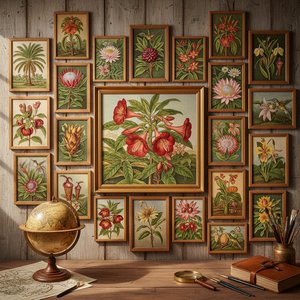
Journey through the vibrant world of Marianne North’s botanical paintings! Explore 25 iconic artworks from this Victorian artist, celebrating exotic flora & travel. Find museum-quality reproductions and curated decor ideas at BuyPopArt.com.
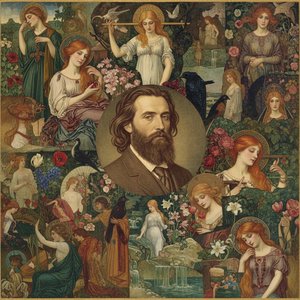
Atraskite 25 įspūdingiausius Dante Gabriel Rossetti šedevrus! Išsami analizė, meno istorija ir įkvėpimas interjerui. Reprodukcijos aliejumi – prerafaelitų klasika jūsų namams. Explore the full collection online!
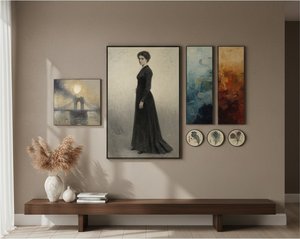
Atraskite 25 įspūdingiausius Džeimso Ebboto Maknilo Vislerio kūrinius! Tonalizmo meistras, noktiurnai ir portretai – meno istorijos šedevrai jūsų interjerui. Pirkti aukštos kokybės reprodukcijas BuyPopArt.com
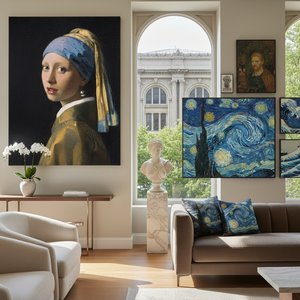
Atraskite 25 įspūdingiausius Metropoliteno meno muziejaus kūrinius! Claude Monet, van Gogh ir kiti meistrai – paveikslų istorijos, spalvų paletės bei interjero dekoravimo idėjos. Meno reprodukcijos aukščiausia kokybe BuyPopArt.com
Atraskite 25 Nacionalinės galerijos meno perlus! Išsami istorija apie Monet, Picasso ir kitų žymiausių dailininkų kūrinius. Įkvėpimo interjerui ir aukštos kokybės meno reprodukcijos – BuyPopArt.com


Sekite naujausias meno naujienas, išskirtinius pasiūlymus ir dekoravimo idėjas.
Pasakokite mums apie savo projektą, o mūsų meno ekspertai parengs jums 3 asmeniškus meno pasiūlymus.
Leiskite mums parinkti 3 variantus būtent jums – nemokamai!


 Peržiūrėti realybėje
 Pasidalinti
 Dalintis
 Išsamiau

 Atsisiųsti
 Panašūs eksponatai
 Rentgeno nuotrauka
 Automatinė diorama


 Skaityti daugiau







 Stiklo variantas prieinamas tik pasirinkus dydį iki 110 cm