

Įsigykite aukštos skiriamosios raiškos, patobulintą skaitmeninį vaizdą, gerokai pranašesnį už internetinę peržiūrą.
Kiekvieną failą mūsų specialistai kruopščiai paruošia naudojant pažangias technologijas ir profesionalų rankinį retušavimą. Užtikriname, kad kiekvienas vaizdas pasižymėtų išskirtiniu aiškumu, tikslia spalvų atspalviu ir smulkiomis detalėmis.
Baigiamas failas el. paštu pristatomas per 72 valandas; jis optimizuotas nedelsiant naudojimui profesionalioje, redakcinėje ir spausdinimo aplinkoje. Tai ta pati kokybė, kuria pasitiki aukščiausios klasės dizaino studijos, leidyklos ir galerijos.
Atsisiųskite didelės raiškos failą asmeniniam naudojimui, spausdinimui ir kūrybiniams projektams. ( Pirkti spaudinį Pirkti rankomis tapytą paveikslą)
Pasirinkę BuyPopArt.com, jūs ne tik gaunate paveikslėlį – jūs gaunate profesionaliai patobudintą skaitmeninį kūrinį, sukurtą itin tikniai ir užtikrinantį pasitenkinimą. Štai viską, kas automatiškai pritékia jūsų užsakymui:

Jūsų aukštos raiškos skaitmeninis vaizdo failas bus išsiųstas jums el. paštu per 72 valaudas nuo užsakymo – paruoštas naudojimui be jokių papildomų veiksmų.

Jūsų meno kūrinys profesionaliai optimizuojamas naudojant pažangius dirbtinio intelekto įrankius ir rankinį redagavimą, užtikrinant maksimalią detalę, aiškumą ir spalvų tikslumą.

Atsitiktinai ištrytikote ar praradote savo failą? Nebijokite – bet kuriuo metu atsiųsime jį jums vėl nemokamai.

Mėgaukitės savo meno kūriniu akimirka – skaitiniai failai visada yra neapmokestinami, todėl nereikės mokėti muitinės, mokesčių ar pristatymo mokesčių.

Naudodami profesionalią įrangą ir spalvų valdymo sistemas, užtikriname, kad jūsų skaitmeninis vaizdas kuo tiksliau atspindėtų originalias spalvas.

Jei nebuvate patenkinti savo skaitinio vaizdo, per 60 dienų jį pertaisysime arba grąkinsime 100% sumą – be jokių klausimų.

Nepat 만족inti? Gaukite visą sumokėtą sumą per 60 dienų nuo skaitmeninio failo gavimo – be jokių papildomų klausimų.

Pirkti 3 nuotraukas – pasiūla 10% - Pirkti 5 – pasiūla 15% - Pirkti 10 ir daugiau – pasiūla 20%. Puikiai tinka kūrybiniams projektams, galerijoms bei agentūroms.
Mark Rothko's “No. 12” isn’t merely a painting; it’s an invitation to quiet contemplation, a distilled essence of feeling rendered in pigment and texture. Born Markus Yakovlevich Rothkowitz in Dvinsk, Latvia – a region steeped in historical displacement and cultural upheaval – Rothko’s early life profoundly shaped his artistic vision. The anxieties of a Jewish family living under the shadow of pogroms instilled within him a deep sensitivity to human suffering, a theme that would become a recurring motif throughout his oeuvre. This sense of vulnerability and searching for meaning is palpably present in “No. 12,” a work born from a complex interplay of personal experience and artistic exploration.
The painting’s genesis lies within the broader context of Color Field painting, a movement that sought to elevate color itself as the primary subject matter. Rothko moved to New York City in 1923, immersing himself in the vibrant, often turbulent, atmosphere of the city's artistic scene. He experimented with various styles – Surrealism, mythological themes – before arriving at his signature approach: large, rectangular blocks of color stacked vertically, creating a sense of depth and luminosity. “No. 12” exemplifies this technique perfectly, representing a pivotal moment in Rothko’s development as he moved away from representational imagery towards pure emotional expression.
At first glance, "No. 12" appears strikingly simple – three distinct rectangular blocks of color arranged against a reddish-brown frame. However, this apparent minimalism belies a complex interplay of visual elements. The uppermost block is dominated by a deep, saturated blue-purple, transitioning downwards into a lighter, warmer beige hue. This gradient isn’t merely decorative; it suggests movement, depth, and perhaps even the passage of time or emotion. The thin band of reddish-brown acts as an anchor, grounding the composition and providing a subtle contrast to the dominant colors. Notably, there's no discernible perspective or attempt at realistic representation – Rothko deliberately eschewed traditional techniques in favor of conveying feeling directly through color.
The brushwork is crucial to understanding the painting’s impact. It’s visible, textured, and gestural, suggesting an expressive application of paint. Layers are built up, allowing colors to bleed slightly into adjacent areas, creating soft edges and a sense of movement. This technique contributes significantly to the painting's atmospheric quality, evoking a feeling of quiet contemplation and simplicity. The deliberate lack of sharp lines or defined forms encourages the viewer to lose themselves within the color fields, fostering a meditative experience.
While Rothko resisted definitive interpretations of his work, it’s widely believed that he aimed to evoke profound emotional responses through color. The blue-purple shade often represents melancholy, spirituality, or the vastness of the universe – a reflection perhaps of his own sense of displacement and longing. The warmer beige tones might symbolize comfort, earthiness, or even mortality. The reddish-brown frame serves as a grounding element, providing stability amidst the expansive color fields.
It’s important to note that Rothko wasn't interested in depicting specific scenes or narratives; instead, he sought to create an experience for the viewer—a direct emotional connection through pure color. “No. 12” invites us to project our own feelings and experiences onto the canvas, transforming it into a personal meditation space. The painting’s enduring power lies in its ability to resonate with viewers on a deeply intuitive level.
Mark Rothko's “No. 12” stands as a testament to the transformative potential of color and abstraction. It exemplifies his mastery of Color Field painting, demonstrating how seemingly simple forms can evoke profound emotional responses. Reproductions capture much of this intensity, offering an accessible way to experience Rothko’s vision in your own space. BuyPopArt offers meticulously crafted hand-painted reproductions that faithfully recreate the texture, luminosity, and subtle nuances of this iconic work, allowing you to bring a piece of Rothko's contemplative world into your home or office.
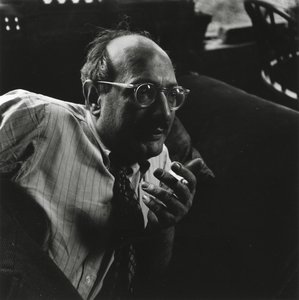
1903 - 1970 , Latvija


Sekite naujausias meno naujienas, išskirtinius pasiūlymus ir dekoravimo idėjas.
Pasakokite mums apie savo projektą, o mūsų meno ekspertai parengs jums 3 asmeniškus meno pasiūlymus.
Leiskite mums parinkti 3 variantus būtent jums – nemokamai!


 Peržiūrėti realybėje
 Pasidalinti
 Dalintis
 Išsamiau

 Atsisiųsti
 Panašūs eksponatai
 Rentgeno nuotrauka
 Automatinė diorama

 Skaityti daugiau