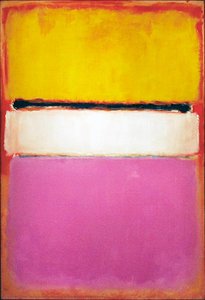
Muziejų lygio „giclée“ arba drobos spausdinimas: greita gamyba ir lankstios apdailos parinktys. ( Pirkti rankomis tapytą paveikslą Pirkti vaizdą)
Pasirinkite iš mūsų nustatytų dydžių, atitinkančių originalaus meno kūrinio proporcijas.

Galite nurodyti savo matmenis, kad vaizdas atitiktų konkretų rėmą ar erdvę. Jei pasirinktas dydis nesutaps su originalaus paveikslėlio proporcijomis, mes arba apkirpsime kūrinį, arba išplėsime vaizdą naudojant veideliu atspindėtą arba vientisą šoną. Skaitmeninis maketas bus išsiųstas jums patvirtinti prieš pradedant gamybą.
Atkreipkite dėmesį, kad ekrane matomas vaizdinys neatspindi tikrojo apkirpimo ar išplėtimo. Tik maketas tiksliai parodytų galutinę kompoziciją.
Nors galima rinktis ir individualius dydžius, rekomenduojame pasirinkti vieną iš išanksti nustatytų matmenų, kad būtų išlaikytos originalios proporcijos.
Pristatymas visame pasaulyje () per 2 weeks, o ne įprastas 4/5 savaičių laikotarpis. (18 rugpjūtis)


Street Scene
Reprodukcijos matmenys
Mark Rothko’s “Street Scene,” painted circa 1937, stands as a testament to the artist's profound engagement with existential themes—specifically, the vulnerability of human experience within the confines of urban space. This deceptively simple composition captures a moment of quiet contemplation beneath an overwhelming architectural presence, reflecting the anxieties inherent in navigating a complex world.
The historical context surrounding “Street Scene” is crucial to understanding its significance. Created during Rothko’s formative years in New York City, it reflects the burgeoning anxieties of the era – concerns about displacement and alienation amidst rapid urbanization. The artist's own experiences as a refugee from Latvia undoubtedly informed his artistic vision.
Symbolism: Beyond its visual aesthetic, “Street Scene” operates on multiple symbolic levels. The towering architectural element—likely a balcony or staircase—represents authority and oppression, visually encapsulating the pressures of societal structures. Conversely, the figures embody vulnerability and isolation, symbolizing humanity’s struggle to find solace in an indifferent universe. Rothko's masterful use of color contributes significantly to this symbolism; the cool blues and grays evoke feelings of melancholy and introspection.
Emotional Impact: Ultimately, “Street Scene” succeeds in conveying a powerful emotional response. The artwork’s subdued palette, combined with its expressive brushstrokes and skewed perspective, generates a sense of unease and disorientation—drawing the viewer into a contemplative state. Rothko's intention was not to depict reality but rather to evoke feeling; he sought to communicate profound psychological truths through abstract forms.
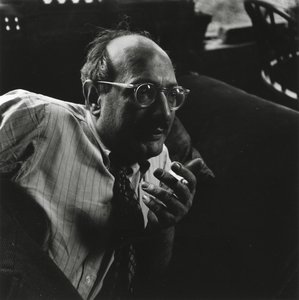
1903 - 1970 , Latvija

Dive into the high-voltage world of Abstract Expressionism. Explore the raw energy of Action Painting and the legendary masters of the New York School through a visual journey of pure chaos and color. Discover how to bring bold, high-impact abstract art into your modern space.

Master the high-impact world of contemporary abstraction. Discover how bold colors, textures, and modern movements like Abstract Expressionism can transform your space with premium, high-energy art curated for the design-conscious professional.

Dive into the raw power of Abstract Expressionism. Explore the high-octane energy of action painting and color field mastery. Discover how these bold, visceral movements redefine modern interiors with high-impact, premium abstract art for the contemporary collector.

Master the power of Color Field painting. Discover how bold, immersive color transforms modern spaces through this expert guide to one of art's most impactful movements. Elevate your interior design with high-impact, contemporary abstract aesthetics.


Sekite naujausias meno naujienas, išskirtinius pasiūlymus ir dekoravimo idėjas.
Pasakokite mums apie savo projektą, o mūsų meno ekspertai parengs jums 3 asmeniškus meno pasiūlymus.
Leiskite mums parinkti 3 variantus būtent jums – nemokamai!


 Peržiūrėti realybėje
 Pasidalinti
 Dalintis
 Išsamiau

 Atsisiųsti
 Panašūs eksponatai
 Rentgeno nuotrauka
 Automatinė diorama
 Skaityti daugiau




































 Stiklo variantas prieinamas tik pasirinkus dydį iki 110 cm