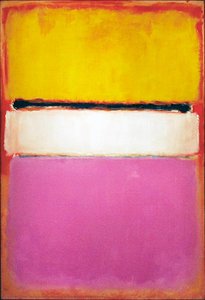
Rankiniu būdu tapytas aliejus ant droblio jūsų pageidaujamame dydį ir rėmuose – mūsų menininkų darbas pagal užsakymą. ( Pirkti spaudinį Pirkti vaizdą)





























Pasirinkite iš mūsų nustatytų dydžių, atitinkančių originalaus meno kūrinio proporcijas.

Galite įvesti savo matmenis, kad jie atitiktų konkretų rėmą ar erdvę. Jei pasirinktas dydis neatitinka originalaus paveikslėlio proporcijų, mes arba apkropsime meno kūrinį, arba papildysime tapybą rankomis dažytい elementais. Prieš pradėdami gamybą, jūsų patvirtinimui atsiųsime skaitmeninį maketą.
Atkreipkite dėmesį, kad ekrane rodomas vaizdas neatspindi tikrojo apkarpymo ar papildymo. Tik maketas tiksliai parodys galutinę kompoziciją.
Nors galima rinktis ir individualius dydžius, rekomenduojame pasirinkti matmenis iš nustatytos sąrašo, kad būtų išlaikytos originalios proporcijos.
Pristatymas visame pasaulyje () per 3–4 savaites, o ne įprastai – per 5 savaites. (17 rugpjūtis). Kokybė lieka nepakeičiama.


Untitled 146
Reprodukcijos matmenys
Mark Rothko’s “Untitled 146,” a deceptively simple canvas dominated by two rectangles of crimson pigment, transcends mere visual representation. It embodies the core tenets of Color Field painting—a movement that revolutionized abstract art in the mid-20th century and continues to captivate audiences today. This artwork isn't about depicting an external scene; rather, it invites contemplation on internal states, tapping into a primal connection with emotion and spirituality.
The symbolism embedded within “Untitled 146” is subtle yet powerful. Critics have interpreted the crimson hues as representing passion, vitality, and perhaps even sacrifice—themes that resonate with Rothko's own personal experiences marked by loss and displacement. The overlapping rectangles create a sense of depth and ambiguity, mirroring the complexities of human emotion and the elusive nature of truth.
More than just an aesthetically pleasing composition, “Untitled 146” serves as a conduit for emotional resonance. Its quiet grandeur encourages viewers to slow down, breathe deeply, and engage in introspection. Rothko’s intention wasn't to provoke intellectual debate but rather to evoke visceral feeling—a testament to the enduring power of art to communicate beyond words.
Ultimately, Rothko’s masterpiece remains an enduring symbol of artistic innovation and emotional honesty—a reminder that beauty resides not in representation but in the capacity to stir the soul.
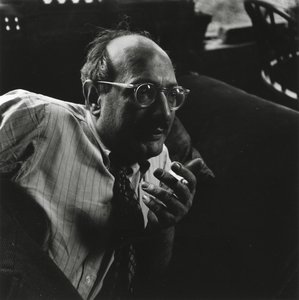
1903 - 1970 , Latvija

Dive into the high-voltage world of Abstract Expressionism. Explore the raw energy of Action Painting and the legendary masters of the New York School through a visual journey of pure chaos and color. Discover how to bring bold, high-impact abstract art into your modern space.

Master the power of Color Field painting. Discover how bold, immersive color transforms modern spaces through this expert guide to one of art's most impactful movements. Elevate your interior design with high-impact, contemporary abstract aesthetics.

Dive into the raw power of Abstract Expressionism. Explore the high-octane energy of action painting and color field mastery. Discover how these bold, visceral movements redefine modern interiors with high-impact, premium abstract art for the contemporary collector.

Master the high-impact world of contemporary abstraction. Discover how bold colors, textures, and modern movements like Abstract Expressionism can transform your space with premium, high-energy art curated for the design-conscious professional.


Sekite naujausias meno naujienas, išskirtinius pasiūlymus ir dekoravimo idėjas.
Pasakokite mums apie savo projektą, o mūsų meno ekspertai parengs jums 3 asmeniškus meno pasiūlymus.
Leiskite mums parinkti 3 variantus būtent jums – nemokamai!


 Peržiūrėti realybėje
 Pasidalinti
 Dalintis
 Išsamiau

 Atsisiųsti
 Panašūs eksponatai
 Rentgeno nuotrauka
 Automatinė diorama
 Skaityti daugiau







 Stiklo variantas prieinamas tik pasirinkus dydį iki 110 cm