Rankiniu būdu tapytas aliejus ant droblio jūsų pageidaujamame dydį ir rėmuose – mūsų menininkų darbas pagal užsakymą. ( Perejti prie spausdinimo Perjungti į vaizdą)





























Pasirinkite iš mūsų nustatytų dydžių, atitinkančių originalaus meno kūrinio proporcijas.

Galite įvesti savo matmenis, kad jie atitiktų konkretų rėmą ar erdvę. Jei pasirinktas dydis neatitinka originalaus paveikslėlio proporcijų, mes arba apkropsime meno kūrinį, arba papildysime tapybą rankomis dažytい elementais. Prieš pradėdami gamybą, jūsų patvirtinimui atsiųsime skaitmeninį maketą.
Atkreipkite dėmesį, kad ekrane rodomas vaizdas neatspindi tikrojo apkarpymo ar papildymo. Tik maketas tiksliai parodys galutinę kompoziciją.
Nors galima rinktis ir individualius dydžius, rekomenduojame pasirinkti matmenis iš nustatytos sąrašo, kad būtų išlaikytos originalios proporcijos.
Pristatymas visame pasaulyje () per 3–4 savaites, o ne įprastai – per 5 savaites. (11 rugpjūtis). Kokybė lieka nepakeičiama.


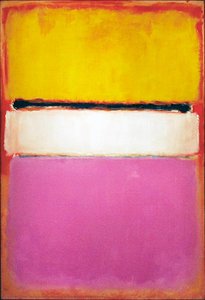
Untitled (19)
Reprodukcijos matmenys
Mark Rothko’s “Untitled (19),” created in 1949, stands as a cornerstone of Abstract Expressionism—a movement that irrevocably altered the landscape of American art after World War II. More than just pigment on canvas, it embodies a profound exploration of emotion and spirituality, inviting viewers into a contemplative dialogue about the human condition.
The artwork’s deliberate simplicity is precisely what distinguishes it from other artistic endeavors of its time. It eschews the conventions of realism for a more emotive exploration of color and form—a testament to Rothko’s unwavering commitment to conveying profound psychological states.
Rothko’s approach to painting aligns perfectly with the broader tenets of Color Field painting, pioneered by artists like Barnett Newman and Helen Frankenthaler. Unlike Impressionism or Cubism, which focus on capturing visual details, Color Field painters prioritize expansive areas of color—often monochromatic—to create immersive environments that stimulate contemplation.
Rothko believed that color possessed inherent expressive power—capable of conveying emotions and ideas without resorting to explicit imagery. He meticulously considered the psychological effects of hue and saturation, striving to evoke feelings of serenity and transcendence.
“Untitled (19)” exemplifies Rothko’s minimalist aesthetic—characterized by a deliberate reduction of visual elements to their essential forms. This stylistic choice reflects Rothko’s conviction that art could achieve its greatest impact through simplicity and restraint.
Rothko's unwavering dedication to minimalist principles solidified his position as one of the most influential artists of the postwar era—a legacy that continues to inspire contemporary painters and designers alike.
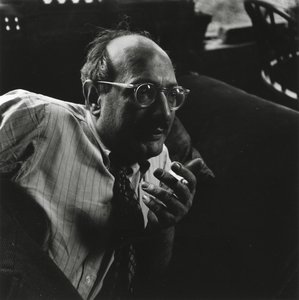
1903 - 1970 , Latvija

Dive into the high-voltage world of Abstract Expressionism. Explore the raw energy of Action Painting and the legendary masters of the New York School through a visual journey of pure chaos and color. Discover how to bring bold, high-impact abstract art into your modern space.

Dive into the raw power of Abstract Expressionism. Explore the high-octane energy of action painting and color field mastery. Discover how these bold, visceral movements redefine modern interiors with high-impact, premium abstract art for the contemporary collector.

Master the power of Color Field painting. Discover how bold, immersive color transforms modern spaces through this expert guide to one of art's most impactful movements. Elevate your interior design with high-impact, contemporary abstract aesthetics.

Master the high-impact world of contemporary abstraction. Discover how bold colors, textures, and modern movements like Abstract Expressionism can transform your space with premium, high-energy art curated for the design-conscious professional.


Sekite naujausias meno naujienas, išskirtinius pasiūlymus ir dekoravimo idėjas.
Pasakokite mums apie savo projektą, o mūsų meno ekspertai parengs jums 3 asmeniškus meno pasiūlymus.
Leiskite mums parinkti 3 variantus būtent jums – nemokamai!


 Peržiūrėti realybėje
 Pasidalinti
 Dalintis
 Išsamiau

 Atsisiųsti
 Panašūs eksponatai
 Rentgeno nuotrauka
 Automatinė diorama
 Skaityti daugiau







 Stiklo variantas prieinamas tik pasirinkus dydį iki 110 cm