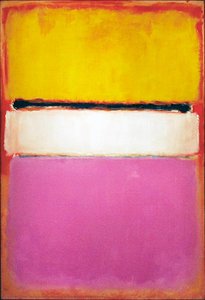
Rankiniu būdu tapytas aliejus ant droblio jūsų pageidaujamame dydį ir rėmuose – mūsų menininkų darbas pagal užsakymą. ( Pirkti spaudinį Pirkti vaizdą)





























Pasirinkite iš mūsų nustatytų dydžių, atitinkančių originalaus meno kūrinio proporcijas.

Galite įvesti savo matmenis, kad jie atitiktų konkretų rėmą ar erdvę. Jei pasirinktas dydis neatitinka originalaus paveikslėlio proporcijų, mes arba apkropsime meno kūrinį, arba papildysime tapybą rankomis dažytい elementais. Prieš pradėdami gamybą, jūsų patvirtinimui atsiųsime skaitmeninį maketą.
Atkreipkite dėmesį, kad ekrane rodomas vaizdas neatspindi tikrojo apkarpymo ar papildymo. Tik maketas tiksliai parodys galutinę kompoziciją.
Nors galima rinktis ir individualius dydžius, rekomenduojame pasirinkti matmenis iš nustatytos sąrašo, kad būtų išlaikytos originalios proporcijos.
Pristatymas visame pasaulyje () per 3–4 savaites, o ne įprastai – per 5 savaites. (13 rugpjūtis). Kokybė lieka nepakeičiama.


Untitled 88
Reprodukcijos matmenys
Mark Rothko’s “Untitled 88,” created in 1946, stands as a cornerstone of Abstract Expressionism—a movement that revolutionized painting in the postwar era. This monumental canvas embodies Rothko's signature approach to color field painting, prioritizing emotive resonance over representational accuracy.
Born Markus Yakovlevich Rothkowitz in Dvinsk (now Daugavpils), Latvia, in 1903, Mark Rothko’s formative years instilled within him a profound sensitivity to human suffering—a characteristic that would permeate his artistic output. His family's experiences navigating the turbulent landscape of the Pale of Settlement under Tsarist rule profoundly shaped his worldview.
The immigration to Portland, Oregon, in 1913 marked a dramatic cultural shift for young Rothko. Despite facing challenges of assimilation and grappling with the loss of his father—a pivotal moment that instilled a lifelong preoccupation with mortality—Rothko’s artistic vision was nurtured by his father's intellectual pursuits and socialist convictions.
“Untitled 88” exemplifies Rothko’s groundbreaking contribution to art history. Rejecting traditional representational conventions, he embraced the color field aesthetic—characterized by large expanses of pure pigment—to convey profound emotional states. This stylistic choice aligns with broader philosophical currents questioning established norms and prioritizing subjective experience.
Rothko's exploration of color was informed by influences ranging from Kandinsky’s pioneering experiments in abstraction to Zen Buddhism, which emphasized contemplation and the transcendence of ego. He sought to create paintings that would elicit a visceral response from viewers—a feeling akin to “prayer,” as Rothko himself described.
Beyond its formal qualities, “Untitled 88” resonates with deeper symbolic meanings. The key serves as a visual emblem of transformation and access—representing the unlocking of hidden potential or the opening of doors to spiritual insight. Rothko’s masterful manipulation of color contributes to this emotive impact, generating an atmosphere of melancholy beauty and inviting viewers into a meditative contemplation.
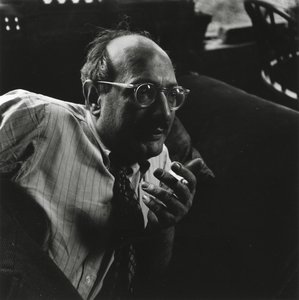
1903 - 1970 , Latvija
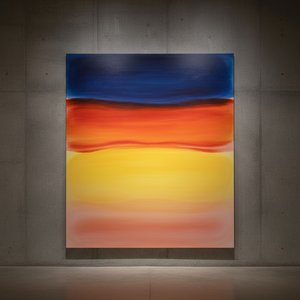
Explore the profound emotional depth of Mark Rothko's abstract expressionism. Discover the history, techniques & lasting impact of this pivotal Color Field painter. Expert insights for collectors and art enthusiasts.
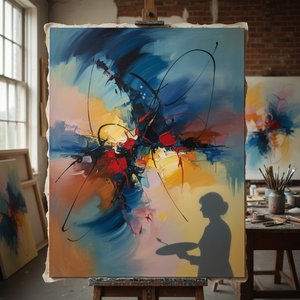
Explore the captivating world of Beatrice Parsons, a pioneering British abstract expressionist. Discover her journey from garden watercolors to evocative color field paintings and learn about her place within art history.

Explore the profound spiritual resonance of Color Field Painting with insights into Rothko, Newman & Still. Discover the techniques & legacy of this influential abstract art movement.

Explore the captivating world of Paul Jenkins, a pioneer of abstract expressionism & color field painting. Discover his unique ‘Phenomena’ series and investment potential for art collectors. Expert insights at BuyPopArt.

Explore the groundbreaking work of Alfred Henry Maurer, a pivotal figure in American Modernism. Discover his Fauvist & Cubist paintings and understand his lasting influence on abstract art. Expert analysis for collectors.


Sekite naujausias meno naujienas, išskirtinius pasiūlymus ir dekoravimo idėjas.
Pasakokite mums apie savo projektą, o mūsų meno ekspertai parengs jums 3 asmeniškus meno pasiūlymus.
Leiskite mums parinkti 3 variantus būtent jums – nemokamai!


 Peržiūrėti realybėje
 Pasidalinti
 Dalintis
 Išsamiau

 Atsisiųsti
 Panašūs eksponatai
 Rentgeno nuotrauka
 Automatinė diorama
 Skaityti daugiau







 Stiklo variantas prieinamas tik pasirinkus dydį iki 110 cm