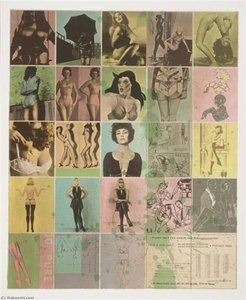
Acrylic On PaperContemporary Romantic
 1989
1989 30.0 x 22.0 cm
 Serralves Foundation
Rankiniu būdu tapytas aliejus ant droblio jūsų pageidaujamame dydį ir rėmuose – mūsų menininkų darbas pagal užsakymą. ( Pirkti spaudinį Pirkti vaizdą)





























Pasirinkite iš mūsų nustatytų dydžių, atitinkančių originalaus meno kūrinio proporcijas.

Galite įvesti savo matmenis, kad jie atitiktų konkretų rėmą ar erdvę. Jei pasirinktas dydis neatitinka originalaus paveikslėlio proporcijų, mes arba apkropsime meno kūrinį, arba papildysime tapybą rankomis dažytい elementais. Prieš pradėdami gamybą, jūsų patvirtinimui atsiųsime skaitmeninį maketą.
Atkreipkite dėmesį, kad ekrane rodomas vaizdas neatspindi tikrojo apkarpymo ar papildymo. Tik maketas tiksliai parodys galutinę kompoziciją.
Nors galima rinktis ir individualius dydžius, rekomenduojame pasirinkti matmenis iš nustatytos sąrašo, kad būtų išlaikytos originalios proporcijos.
Pristatymas visame pasaulyje () per 3–4 savaites, o ne įprastai – per 5 savaites. (16 rugpjūtis). Kokybė lieka nepakeičiama.


No Interviews, Please
Reprodukcijos matmenys
Marlene Dumas (b. 1953) stands as a singular voice in contemporary art—a painter whose work transcends mere visual representation, delving into the depths of human experience with unflinching honesty and profound sensitivity. Her oeuvre is characterized by a distinctive approach: she eschews grand narratives or overtly expressive gestures, instead favoring meticulously crafted portraits that capture fleeting moments of emotion and subtly convey complex psychological states.
Dumas’s favored medium is acrylic paint applied onto paper—a choice that lends itself beautifully to capturing subtle textures and tonal variations. The artist employs a technique of layering thin washes of color, often combined with pencil sketches or crayon marks, creating surfaces that appear deceptively calm yet harbor considerable depth.
Born in Cape Town during the era of apartheid—a period marked by institutionalized racial segregation and oppression—Dumas’s formative years instilled within her a deep awareness of social injustice. This experience profoundly informs her artistic vision, prompting her to grapple with questions of race, sexuality, and the psychological burden of existence.
Early Influences: Her upbringing on her father's vineyard witnessed firsthand the divisions inherent in South African society—a landscape simultaneously beautiful and scarred by history. This early exposure fueled her desire to portray human subjects not as symbols of societal ideals but as individuals grappling with their own internal struggles.Despite its apparent simplicity, Dumas’s work is laden with symbolic resonance. The portraits themselves serve as conduits for exploring themes of loss, longing, and unspoken desires—capturing the elusive essence of human experience. Her images invite contemplation and provoke questions about how we perceive ourselves and our relationships to others.


1953 -

Master the Soft Minimalism trend with our expert design forecast. Discover how to elevate your space using textured neutrals, abstract art, and high-impact geometric forms to create a serene, quiet luxury sanctuary that feels both modern and timeless.


Sekite naujausias meno naujienas, išskirtinius pasiūlymus ir dekoravimo idėjas.
Pasakokite mums apie savo projektą, o mūsų meno ekspertai parengs jums 3 asmeniškus meno pasiūlymus.
Leiskite mums parinkti 3 variantus būtent jums – nemokamai!


 Peržiūrėti realybėje
 Pasidalinti
 Dalintis
 Išsamiau

 Atsisiųsti
 Panašūs eksponatai
 Rentgeno nuotrauka
 Automatinė diorama
 Skaityti daugiau







 Stiklo variantas prieinamas tik pasirinkus dydį iki 110 cm