
Įsigykite aukštos skiriamosios raiškos, patobulintą skaitmeninį vaizdą, gerokai pranašesnį už internetinę peržiūrą.
Kiekvieną failą mūsų specialistai kruopščiai paruošia naudojant pažangias technologijas ir profesionalų rankinį retušavimą. Užtikriname, kad kiekvienas vaizdas pasižymėtų išskirtiniu aiškumu, tikslia spalvų atspalviu ir smulkiomis detalėmis.
Baigiamas failas el. paštu pristatomas per 72 valandas; jis optimizuotas nedelsiant naudojimui profesionalioje, redakcinėje ir spausdinimo aplinkoje. Tai ta pati kokybė, kuria pasitiki aukščiausios klasės dizaino studijos, leidyklos ir galerijos.
Atsisiųskite didelės raiškos failą asmeniniam naudojimui, spausdinimui ir kūrybiniams projektams. ( Pirkti spaudinį Pirkti rankomis tapytą paveikslą)
Pasirinkę BuyPopArt.com, jūs ne tik gaunate paveikslėlį – jūs gaunate profesionaliai patobudintą skaitmeninį kūrinį, sukurtą itin tikniai ir užtikrinantį pasitenkinimą. Štai viską, kas automatiškai pritékia jūsų užsakymui:

Jūsų aukštos raiškos skaitmeninis vaizdo failas bus išsiųstas jums el. paštu per 72 valaudas nuo užsakymo – paruoštas naudojimui be jokių papildomų veiksmų.

Jūsų meno kūrinys profesionaliai optimizuojamas naudojant pažangius dirbtinio intelekto įrankius ir rankinį redagavimą, užtikrinant maksimalią detalę, aiškumą ir spalvų tikslumą.

Atsitiktinai ištrytikote ar praradote savo failą? Nebijokite – bet kuriuo metu atsiųsime jį jums vėl nemokamai.

Mėgaukitės savo meno kūriniu akimirka – skaitiniai failai visada yra neapmokestinami, todėl nereikės mokėti muitinės, mokesčių ar pristatymo mokesčių.

Naudodami profesionalią įrangą ir spalvų valdymo sistemas, užtikriname, kad jūsų skaitmeninis vaizdas kuo tiksliau atspindėtų originalias spalvas.

Jei nebuvate patenkinti savo skaitinio vaizdo, per 60 dienų jį pertaisysime arba grąkinsime 100% sumą – be jokių klausimų.

Nepat 만족inti? Gaukite visą sumokėtą sumą per 60 dienų nuo skaitmeninio failo gavimo – be jokių papildomų klausimų.

Pirkti 3 nuotraukas – pasiūla 10% - Pirkti 5 – pasiūla 15% - Pirkti 10 ir daugiau – pasiūla 20%. Puikiai tinka kūrybiniams projektams, galerijoms bei agentūroms.
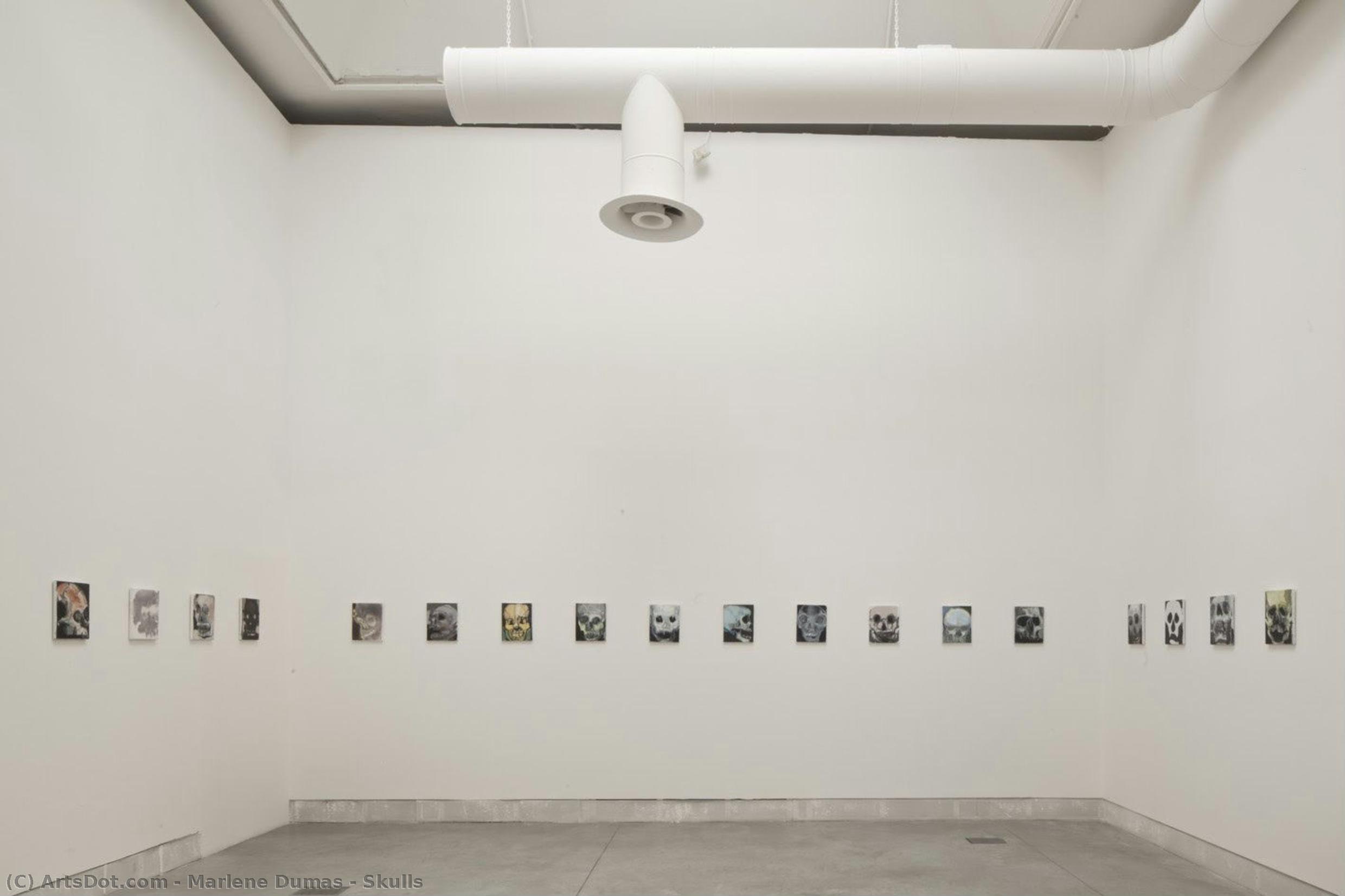
Marlene Dumas's "Skulls," painted in 2015, isn’t merely a depiction of mortality; it’s an intensely personal meditation on the fragility of existence, layered with echoes of South African history and the unsettling power of photographic memory. The painting immediately confronts the viewer with a stark arrangement: a row of skulls presented against a muted, almost bleached background—a deliberate choice that amplifies their presence and forces a direct engagement with death’s inevitability. Each skull possesses a subtly different expression, hinting at individual stories silenced by time, suggesting a collective mourning rather than a singular loss.
Dumas's technique is characterized by a raw, almost violent application of paint. She eschews meticulous detail, favoring instead broad strokes and gestural marks—drips, smears, and daubs that imbue the work with an immediate sense of urgency. The color palette is deliberately restrained – predominantly blacks, whites, and grays – mirroring the somber subject matter while simultaneously creating a hauntingly beautiful effect. This deliberate lack of polish contributes to the painting’s emotional impact; it feels less like a finished product and more like a fleeting capture of a profound feeling.
Dumas's artistic practice is deeply rooted in photography, a connection that profoundly shapes her work. She meticulously curates a private archive of images—photographs of herself, children, victims of violence, and the marginalized – transforming these visual fragments into the foundation for her paintings. “Skulls” exemplifies this process; it’s not simply an interpretation of skulls but rather a distillation of countless photographic encounters with mortality. The arrangement itself feels like a carefully constructed memorial, reminiscent of rows of graves or the faces in a forgotten album. This reliance on photographs forces us to confront the mediated nature of reality and the way images can both preserve and distort memory.
Born in Cape Town during the height of apartheid, Dumas’s life has been inextricably linked to themes of social injustice and identity. While “Skulls” doesn't explicitly reference this historical context, it resonates with the broader anxieties surrounding loss and remembrance that permeated South African society. The skulls can be interpreted as a symbol of silenced voices—those who suffered under oppression or were simply forgotten by history. The painting subtly evokes the collective trauma experienced during apartheid, reminding us of the enduring consequences of inequality and violence. However, Dumas transcends specific historical narratives, elevating the image to a universal representation of mortality – a reminder that all lives are finite and ultimately return to dust.
Ultimately, “Skulls” is a profoundly moving work that invites introspection and contemplation. It’s not a comfortable painting; it confronts us with the uncomfortable truths of death and loss. Yet, within this darkness lies a strange beauty—a testament to the resilience of the human spirit and the enduring power of art to grapple with life's most difficult questions. Dumas doesn’t offer easy answers or comforting platitudes. Instead, she presents us with a raw, honest portrayal of vulnerability – a reminder that beneath our carefully constructed facades, we are all ultimately fragile and mortal. The painting’s impact is not one of shock but of quiet recognition—a shared acknowledgment of the inevitability of death and the importance of remembering those who have passed.
Further Resources: Google Arts & Culture, BuyPopArt

1953 -


Sekite naujausias meno naujienas, išskirtinius pasiūlymus ir dekoravimo idėjas.
Pasakokite mums apie savo projektą, o mūsų meno ekspertai parengs jums 3 asmeniškus meno pasiūlymus.
Leiskite mums parinkti 3 variantus būtent jums – nemokamai!


 Peržiūrėti realybėje
 Pasidalinti
 Dalintis
 Išsamiau

 Atsisiųsti
 Panašūs eksponatai
 Rentgeno nuotrauka
 Automatinė diorama


 Skaityti daugiau