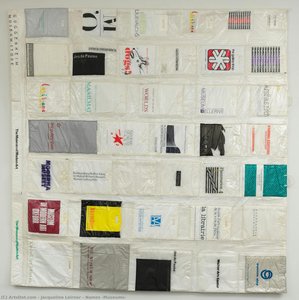
1963
1963 25.0 x 32.0 cm
Įsigykite aukštos skiriamosios raiškos, patobulintą skaitmeninį vaizdą, gerokai pranašesnį už internetinę peržiūrą.
Kiekvieną failą mūsų specialistai kruopščiai paruošia naudojant pažangias technologijas ir profesionalų rankinį retušavimą. Užtikriname, kad kiekvienas vaizdas pasižymėtų išskirtiniu aiškumu, tikslia spalvų atspalviu ir smulkiomis detalėmis.
Baigiamas failas el. paštu pristatomas per 72 valandas; jis optimizuotas nedelsiant naudojimui profesionalioje, redakcinėje ir spausdinimo aplinkoje. Tai ta pati kokybė, kuria pasitiki aukščiausios klasės dizaino studijos, leidyklos ir galerijos.
Atsisiųskite didelės raiškos failą asmeniniam naudojimui, spausdinimui ir kūrybiniams projektams. ( Pirkti spaudinį Pirkti rankomis tapytą paveikslą)
Pasirinkę BuyPopArt.com, jūs ne tik gaunate paveikslėlį – jūs gaunate profesionaliai patobudintą skaitmeninį kūrinį, sukurtą itin tikniai ir užtikrinantį pasitenkinimą. Štai viską, kas automatiškai pritékia jūsų užsakymui:

Jūsų aukštos raiškos skaitmeninis vaizdo failas bus išsiųstas jums el. paštu per 72 valaudas nuo užsakymo – paruoštas naudojimui be jokių papildomų veiksmų.

Jūsų meno kūrinys profesionaliai optimizuojamas naudojant pažangius dirbtinio intelekto įrankius ir rankinį redagavimą, užtikrinant maksimalią detalę, aiškumą ir spalvų tikslumą.

Atsitiktinai ištrytikote ar praradote savo failą? Nebijokite – bet kuriuo metu atsiųsime jį jums vėl nemokamai.

Mėgaukitės savo meno kūriniu akimirka – skaitiniai failai visada yra neapmokestinami, todėl nereikės mokėti muitinės, mokesčių ar pristatymo mokesčių.

Naudodami profesionalią įrangą ir spalvų valdymo sistemas, užtikriname, kad jūsų skaitmeninis vaizdas kuo tiksliau atspindėtų originalias spalvas.

Jei nebuvate patenkinti savo skaitinio vaizdo, per 60 dienų jį pertaisysime arba grąkinsime 100% sumą – be jokių klausimų.

Nepat 만족inti? Gaukite visą sumokėtą sumą per 60 dienų nuo skaitmeninio failo gavimo – be jokių papildomų klausimų.

Pirkti 3 nuotraukas – pasiūla 10% - Pirkti 5 – pasiūla 15% - Pirkti 10 ir daugiau – pasiūla 20%. Puikiai tinka kūrybiniams projektams, galerijoms bei agentūroms.
Born in London in 1933, Mary Frank’s artistic journey is a remarkable tapestry woven from displacement, dance, and a profound engagement with the complexities of human emotion. Her life began amidst the turmoil of World War II, an experience that indelibly shaped her perspective and fueled a lifelong exploration of themes like grief, love, and the enduring power of memory. The early years spent navigating boarding schools and then residing with her maternal grandparents in Brooklyn, New York – a stark contrast to her London upbringing – provided a crucial foundation for her artistic development, exposing her to diverse cultural influences and fostering a sense of both belonging and alienation.
Frank’s initial connection to art stemmed from her passionate involvement in modern dance under the tutelage of Martha Graham. This immersion in movement instilled within her an acute awareness of the body's capacity for expression – a sensibility that would later permeate her sculptural work. Her studies at the High School of Music & Art and subsequent enrollment at the Professional Children’s School further solidified her artistic foundation, introducing her to influential figures like Max Beckmann and Hans Hofmann, who encouraged experimentation with form and technique. The early mentorships were pivotal, laying the groundwork for her distinctive style, characterized by a blend of abstraction and figurative representation.
Frank’s artistic trajectory took an unexpected turn when she married Robert Frank in 1950. The couple embarked on a transformative journey across the United States during the mid-1950s, traveling with Robert's Guggenheim fellowship. This period proved to be profoundly influential, exposing Mary to the vibrant art scene of New York and introducing her to Margaret Ponce Israel’s captivating sculptures and pottery – works that celebrated organic forms and a sense of earthy beauty. Inspired by this encounter, Frank began working in clay, a medium she would continue to explore throughout her career.
Following Robert Frank's divorce in 1969, Mary established a home in Lake Hill, New York, where she built her own kiln and further honed her craft. This period marked a significant shift in her artistic focus, as she began to grapple with the profound grief resulting from the tragic death of her daughter, Andrea, in 1974. This personal tragedy became a central theme in her work, manifesting through hauntingly beautiful sculptures that captured the fragility and intensity of human emotion. The loss also profoundly impacted her son, Pablo, who struggled with schizophrenia and ultimately died in 1994, adding another layer of sorrow to her artistic exploration.
Mary Frank’s sculptures are immediately recognizable for their distinctive aesthetic – a captivating blend of abstraction and figurative representation. She often employs a fragmented approach, assembling disparate forms into evocative compositions that suggest both solidity and vulnerability. Her use of clay is particularly noteworthy, allowing her to create surfaces with remarkable texture and depth. Frank's work frequently features elongated figures, reminiscent of dancers caught in mid-movement, conveying a sense of suspended time and emotional intensity.
Beyond clay, Frank experimented with various materials throughout her career, including wood, bronze, and stone. She was particularly adept at manipulating these materials to achieve a desired effect – creating works that seemed to shimmer with an inner light or possess a palpable weight. Her sculptures are not merely representations of the human form; they are expressions of feeling, imbued with a quiet dignity and profound emotional resonance.
Mary Frank’s work has been exhibited in major museums across the United States and internationally, including the Metropolitan Museum of Art, the Whitney Museum of American Art, and the Brooklyn Museum. Her sculptures are held in numerous private collections, testament to their enduring appeal and artistic merit. Frank's influence extends beyond her own creations; she has mentored countless artists and served as a passionate advocate for solar cooking and water pasteurization – demonstrating a commitment to both artistic innovation and social responsibility.
Despite facing personal tragedies, Mary Frank continued to create art until her death in 2019. Her sculptures remain powerful testaments to the human capacity for resilience, beauty, and profound emotional expression. She is remembered not only as a gifted artist but also as a woman who transformed grief into a source of creative inspiration, leaving behind a legacy that continues to resonate with viewers today.

1933 - , United Kingdom


Sekite naujausias meno naujienas, išskirtinius pasiūlymus ir dekoravimo idėjas.
Pasakokite mums apie savo projektą, o mūsų meno ekspertai parengs jums 3 asmeniškus meno pasiūlymus.
Leiskite mums parinkti 3 variantus būtent jums – nemokamai!


 Peržiūrėti realybėje
 Pasidalinti
 Dalintis
 Išsamiau

 Atsisiųsti
 Panašūs eksponatai
 Rentgeno nuotrauka
 Automatinė diorama
 Skaityti daugiau