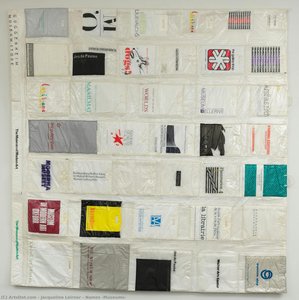
Muziejų lygio „giclée“ arba drobos spausdinimas: greita gamyba ir lankstios apdailos parinktys. ( Pirkti rankomis tapytą paveikslą Pirkti vaizdą)
Pasirinkite iš mūsų nustatytų dydžių, atitinkančių originalaus meno kūrinio proporcijas.

Galite nurodyti savo matmenis, kad vaizdas atitiktų konkretų rėmą ar erdvę. Jei pasirinktas dydis nesutaps su originalaus paveikslėlio proporcijomis, mes arba apkirpsime kūrinį, arba išplėsime vaizdą naudojant veideliu atspindėtą arba vientisą šoną. Skaitmeninis maketas bus išsiųstas jums patvirtinti prieš pradedant gamybą.
Atkreipkite dėmesį, kad ekrane matomas vaizdinys neatspindi tikrojo apkirpimo ar išplėtimo. Tik maketas tiksliai parodytų galutinę kompoziciją.
Nors galima rinktis ir individualius dydžius, rekomenduojame pasirinkti vieną iš išanksti nustatytų matmenų, kad būtų išlaikytos originalios proporcijos.
Pristatymas visame pasaulyje () per 2 weeks, o ne įprastas 4/5 savaičių laikotarpis. (13 rugpjūtis)


Tramway
Reprodukcijos matmenys
In the golden twilight of the nineteenth century, a period defined by profound transition and the dawn of modern visual culture, Michel Eugène Courret emerged as a transformative force in the art of photography. Born in 1839 in the historic French town of Angoulême, Courret’s journey was one of remarkable geographical and artistic expansion. His early years were steeped in the sophisticated photographic traditions of Paris, where he sought mastery under the guidance of Eugène Maunoury. This apprenticeship was far more than mere technical instruction; it was an immersion into the delicate science of the albumen print, a method that allowed for unprecedented clarity and tonal depth. Through Maunoury, Courret learned to treat light not merely as a tool for visibility, but as a medium for storytelling, capturing the subtle textures of skin, fabric, and shadow with a precision that would later define his legendary career.
The trajectory of Courret’s life took a decisive turn in 1860 when he arrived in Lima, Peru. This move from the established artistic hubs of Europe to the burgeoning cultural landscape of South America proved to be a stroke of historical genius. Finding a society on the cusp of significant intellectual and social evolution, Courret recognized an untapped opportunity for photographic artistry. Alongside his brother, Aquiles, he founded Photo Central, a studio that would quickly become the beating heart of Peruvian portraiture. His arrival coincided with a period where the local elite sought to document their status and intellect, and Courret provided the perfect aesthetic vehicle for this self-expression. His work was not merely about capturing faces; it was about documenting the very soul of a nation in flux.
The significance of Courret’s oeuvre lies in its ability to bridge the gap between technical documentation and high art. His studio became a sanctuary for the intellectual luminaries of Peru, capturing portraits of figures who would shape the country's literary and political future. One can see his profound impact through his depictions of individuals such as Mercedes Cabello Llona de Carbonera, a pioneering female essayist, and Jose Galvez Barrenechea, a vital poet and politician. In these portraits, Courret utilized the formal language of Victorian portraiture—careful posing, symbolic props, and dramatic lighting—to imbue his subjects with a sense of permanence and dignity.
Beyond the elite circles of Lima, Courret’s work holds immense historical value for its ethnographic breadth. While he was celebrated for his sophisticated studio portraits, his lens also captured the diverse social strata of Peruvian life. His ability to navigate between the high-society elegance of the carte de visite and the raw, unvarnished reality of everyday existence makes his collection a vital archive of nineteenth-century Andean society. The technical mastery he brought from France—specifically his expertise in the albumen process—ensured that these fleeting moments were preserved with a luminous quality that has allowed them to endure for over a century.
As we reflect on the contributions of Michel Eugène Courret, we recognize an artist who did more than just take photographs; he helped construct a visual identity for Peru. His life serves as a testament to the power of cultural exchange and the enduring impact of a single, visionary eye. Through his lens, the history of a nation was not just recorded, but beautifully composed, leaving behind a legacy that continues to inspire awe in the hearts of art historians and photography enthusiasts alike.

1839 - 1920 , France


Sekite naujausias meno naujienas, išskirtinius pasiūlymus ir dekoravimo idėjas.
Pasakokite mums apie savo projektą, o mūsų meno ekspertai parengs jums 3 asmeniškus meno pasiūlymus.
Leiskite mums parinkti 3 variantus būtent jums – nemokamai!


 Peržiūrėti realybėje
 Pasidalinti
 Dalintis
 Išsamiau

 Atsisiųsti
 Panašūs eksponatai
 Rentgeno nuotrauka
 Automatinė diorama
 Skaityti daugiau




































 Stiklo variantas prieinamas tik pasirinkus dydį iki 110 cm