Acrylic On CanvasWallArtArt Nouveau
 1914
1914 320.0 x 212.0 cm
Rankiniu būdu tapytas aliejus ant droblio jūsų pageidaujamame dydį ir rėmuose – mūsų menininkų darbas pagal užsakymą. ( Pirkti spaudinį Pirkti vaizdą)





























Pasirinkite iš mūsų nustatytų dydžių, atitinkančių originalaus meno kūrinio proporcijas.

Galite įvesti savo matmenis, kad jie atitiktų konkretų rėmą ar erdvę. Jei pasirinktas dydis neatitinka originalaus paveikslėlio proporcijų, mes arba apkropsime meno kūrinį, arba papildysime tapybą rankomis dažytい elementais. Prieš pradėdami gamybą, jūsų patvirtinimui atsiųsime skaitmeninį maketą.
Atkreipkite dėmesį, kad ekrane rodomas vaizdas neatspindi tikrojo apkarpymo ar papildymo. Tik maketas tiksliai parodys galutinę kompoziciją.
Nors galima rinktis ir individualius dydžius, rekomenduojame pasirinkti matmenis iš nustatytos sąrašo, kad būtų išlaikytos originalios proporcijos.
Pristatymas visame pasaulyje () per 3–4 savaites, o ne įprastai – per 5 savaites. (18 rugpjūtis). Kokybė lieka nepakeičiama.


Glad visitors
Reprodukcijos matmenys
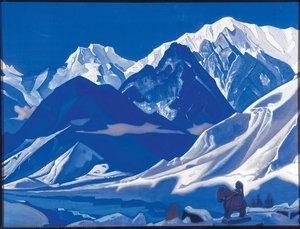
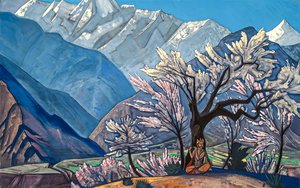
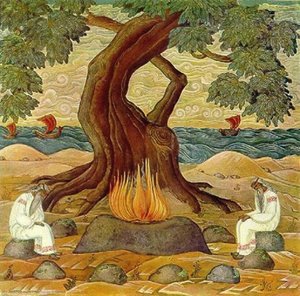
“Glad visitors,” painted by Nicholas Roerich in 1914, stands as a testament to the artist's profound engagement with both Art Nouveau aesthetics and Eastern mysticism. More than just a depiction of two figures amidst serene landscapes—a hallmark of Roerich’s oeuvre—it embodies a complex tapestry of interwoven symbols designed to illuminate spiritual truths and celebrate the interconnectedness of humanity and nature.
The central figures—a woman adorned in crimson robes and a man clad in golden attire—are positioned against a backdrop of towering peaks bathed in azure hues. These colors aren’t merely decorative; they resonate with spiritual significance, representing passion (red) and enlightenment (gold). The woman holds a book – symbolizing knowledge and wisdom – while the man protects a shield – signifying defense against negativity and upholding moral integrity.
Surrounding the figures are stylized birds—a recurring motif throughout Roerich's work—that ascend towards the heavens, symbolizing aspiration and transcendence. Their placement reinforces the painting’s overarching theme of spiritual elevation and invites contemplation on humanity’s relationship with the cosmos.
Created during a period marked by artistic experimentation and intellectual ferment – Roerich's work aligns seamlessly with the Art Nouveau movement’s fascination for organic forms and symbolic imagery. However, “Glad visitors” transcends stylistic trends; it speaks to universal human desires for beauty, harmony, and spiritual fulfillment. As exemplified in the Nicholas Roerich Museum in New York, Roerich’s art continues to inspire artists and collectors alike—a timeless celebration of Himalayan landscapes and the enduring quest for ageless wisdom.
"Glad visitors" evokes a profound sense of serenity and wonder. Its luminous colors and carefully crafted composition transport viewers to the majestic Himalayas, fostering contemplation on themes of faith, resilience, and interconnectedness. This artwork serves as an enduring reminder that art possesses the capacity to illuminate our inner lives and connect us to something larger than ourselves—a sentiment perfectly captured in Roerich’s masterful depiction of human aspiration against a backdrop of sublime natural beauty.

1874 - 1947 , Rusija

Explore the captivating art of Nicholas Roerich – a visionary painter whose Himalayan landscapes blend spiritual mysticism with cultural preservation. Discover his legacy & symbolism.
Journey through 10 breathtaking landscape paintings by Monet, Van Gogh & more! Explore iconic artworks, artistic techniques & find inspiration for your home decor. Museum-quality reproductions at BuyPopArt.com. Discover all masterpieces on BuyPopArt.com

Atraskite 10 legendinių romantinio peizažo kūrinių! Pasinerkite į Claude Lorrain, Caspar David Friedrich ir J.M.W. Turner genijaus pasaulį. Išmokite apie tapybos meistriškumą bei gamtos grožį. Aukščiausios kokybės meno reprodukcijos – BuyPopArt.com. Tyrinėkite kolekciją!
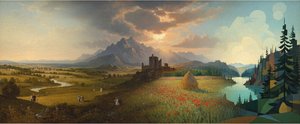
Explore the rich history of landscape art with BuyPopArt. Discover renowned artists, movements like Impressionism & Romanticism, and expert guidance for collecting timeless pieces. Find your perfect serene escape today!
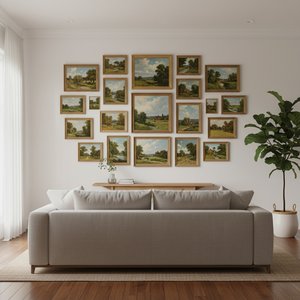
Atraskite 25 įspūdingiausius Džono Konsteblio paveikslus! Romantizmo meistro gamtos vaizdai, Dedham Vale peizažai ir meno istorijos šedevrai. Meno reprodukcijos jūsų interjerui – BuyPopArt.com


Sekite naujausias meno naujienas, išskirtinius pasiūlymus ir dekoravimo idėjas.
Pasakokite mums apie savo projektą, o mūsų meno ekspertai parengs jums 3 asmeniškus meno pasiūlymus.
Leiskite mums parinkti 3 variantus būtent jums – nemokamai!


 Peržiūrėti realybėje
 Pasidalinti
 Dalintis
 Išsamiau

 Atsisiųsti
 Panašūs eksponatai
 Rentgeno nuotrauka
 Automatinė diorama
 Skaityti daugiau







 Stiklo variantas prieinamas tik pasirinkus dydį iki 110 cm