Muziejų lygio „giclée“ arba drobos spausdinimas: greita gamyba ir lankstios apdailos parinktys. ( Perejti prie rankinio darbo paveikslėlio Perjungti į vaizdą)





























Pasirinkite iš mūsų nustatytų dydžių, atitinkančių originalaus meno kūrinio proporcijas.

Galite nurodyti savo matmenis, kad vaizdas atitiktų konkretų rėmą ar erdvę. Jei pasirinktas dydis nesutaps su originalaus paveikslėlio proporcijomis, mes arba apkirpsime kūrinį, arba išplėsime vaizdą naudojant veideliu atspindėtą arba vientisą šoną. Skaitmeninis maketas bus išsiųstas jums patvirtinti prieš pradedant gamybą.
Atkreipkite dėmesį, kad ekrane matomas vaizdinys neatspindi tikrojo apkirpimo ar išplėtimo. Tik maketas tiksliai parodytų galutinę kompoziciją.
Nors galima rinktis ir individualius dydžius, rekomenduojame pasirinkti vieną iš išanksti nustatytų matmenų, kad būtų išlaikytos originalios proporcijos.
Pristatymas visame pasaulyje () per 2 weeks, o ne įprastas 4/5 savaičių laikotarpis. (11 rugpjūtis)


Idolai
Reprodukcijos matmenys
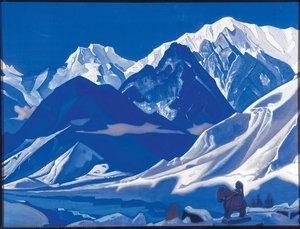
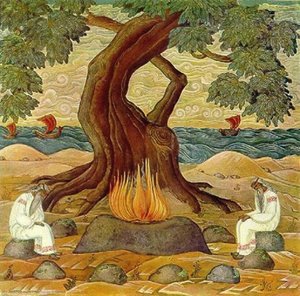
Nicholas Roerich’s “Idols,” painted in 1901, transcends mere visual representation; it embodies a profound exploration of mythic symbolism and the enduring fascination with primal beliefs. This artwork isn't simply a depiction of a rocky landscape—it’s an invitation into a realm where earthbound forms converge with celestial aspirations.
Roerich’s stylistic choices firmly situate “Idols” within the influential Art Nouveau movement. Characterized by flowing lines, organic shapes, and a deliberate rejection of academic conventions, Art Nouveau sought to capture beauty in its purest form—a pursuit perfectly mirrored in Roerich's approach. The painting utilizes gouache on cardboard, resulting in a velvety texture that enhances the artwork’s ethereal quality. Thick brushstrokes contribute to an expressive surface, conveying both solidity and dynamism.
The composition immediately draws the eye upwards with towering totem poles—stylized idols—dominating the scene. This deliberate vertical emphasis underscores a sense of reverence for ancestral spirits and reinforces the artwork’s core thematic concern: the connection between humanity and the cosmos. Geometric shapes – rectangles, cylinders, and triangles – are subtly integrated into the landscape and idol designs, reflecting Art Nouveau's fascination with mathematical precision alongside natural forms.
Roerich employs a muted color palette dominated by blues—representing serenity and spirituality—browns—symbolizing earth and stability—and yellows—suggesting illumination and divine presence. The diffused lighting creates an atmosphere of quiet contemplation, devoid of harsh shadows. These colors work in harmony to evoke the mood of twilight or dawn, amplifying the artwork’s mystical aura.
"Idols" speaks volumes about ancient pagan rituals and the human desire for transcendence. The stylized faces on the idols represent deities or ancestral spirits—figures revered for their wisdom and power. Birds soaring above the landscape symbolize freedom, aspiration, and spiritual ascension—elements central to Roerich’s broader philosophical worldview. Ultimately, “Idols” invites viewers to contemplate timeless themes of faith, heritage, and the enduring beauty found in confronting the mysteries of existence.

1874 - 1947 , Rusija

Elevate your wine cellar or tasting room with curated art! Expert guidance on landscape paintings, symbolism & lighting to enhance the oenological experience. Discover how art transforms spaces and tells your winery's story.

Explore the captivating art of Nicholas Roerich – a visionary painter whose Himalayan landscapes blend spiritual mysticism with cultural preservation. Discover his legacy & symbolism.

Explore the rich history of boats in art! From ancient symbolism to Impressionist masterpieces & modern visions, discover renowned artists & collecting tips at BuyPopArt.

BuyPopArt.com – individualizuoti meno kūriniai aukščiausio lygio kolekcionieriams. Rankų darbo aliejinės tapybos reprodukcijos, personalizuoti portretai ir ekspertų konsultacijos. Patikėkite savo viziją profesionalams!

Atraskite 10 legendinių Art Nouveau šedevrų! Gustav Klimt, Alphonse Mucha ir daugiau – meniniai pasiekimai, apibrėžę dekoratyvinio meno epochą. Pasinerkite į istorijas, spalvas ir grožį. Kokybiškos dailės reprodukcijos ir interjero idėjos BuyPopArt.com.


Sekite naujausias meno naujienas, išskirtinius pasiūlymus ir dekoravimo idėjas.
Pasakokite mums apie savo projektą, o mūsų meno ekspertai parengs jums 3 asmeniškus meno pasiūlymus.
Leiskite mums parinkti 3 variantus būtent jums – nemokamai!


 Peržiūrėti realybėje
 Pasidalinti
 Dalintis
 Išsamiau

 Atsisiųsti
 Panašūs eksponatai
 Rentgeno nuotrauka
 Automatinė diorama

 Skaityti daugiau







 Stiklo variantas prieinamas tik pasirinkus dydį iki 110 cm