

 French Baroque
 1625
1625 79.0 x 152.0 cm
Muziejų lygio „giclée“ arba drobos spausdinimas: greita gamyba ir lankstios apdailos parinktys. ( Pirkti rankomis tapytą paveikslą Pirkti vaizdą)





























Pasirinkite iš mūsų nustatytų dydžių, atitinkančių originalaus meno kūrinio proporcijas.

Galite nurodyti savo matmenis, kad vaizdas atitiktų konkretų rėmą ar erdvę. Jei pasirinktas dydis nesutaps su originalaus paveikslėlio proporcijomis, mes arba apkirpsime kūrinį, arba išplėsime vaizdą naudojant veideliu atspindėtą arba vientisą šoną. Skaitmeninis maketas bus išsiųstas jums patvirtinti prieš pradedant gamybą.
Atkreipkite dėmesį, kad ekrane matomas vaizdinys neatspindi tikrojo apkirpimo ar išplėtimo. Tik maketas tiksliai parodytų galutinę kompoziciją.
Nors galima rinktis ir individualius dydžius, rekomenduojame pasirinkti vieną iš išanksti nustatytų matmenų, kad būtų išlaikytos originalios proporcijos.
Pristatymas visame pasaulyje () per 2 weeks, o ne įprastas 4/5 savaičių laikotarpis. (17 rugpjūtis)


Cephalus and Aurora
Reprodukcijos matmenys
Nicolas Poussin's *Cephalus and Aurora*, painted in 1625, is more than just a depiction of mythological figures; it’s a profound meditation on love, loss, and the delicate dance between waking and dreaming. This oil-on-canvas masterpiece, measuring 79 x 152 cm, exemplifies Poussin's signature style – a harmonious blend of classical restraint and vibrant color, meticulously crafted to evoke both intellectual contemplation and emotional resonance. Born in Le Havre, France, Poussin’s early artistic journey was shaped by the influence of Venetian masters like Titian, yet he swiftly developed his own distinct voice, prioritizing clarity, order, and a deep engagement with the principles of classical art.
The scene unfolds within a carefully constructed landscape, dominated by a gently sloping hillside that draws the eye towards a distant river. At its heart stands Cephalus, an Athenian prince, holding aloft a torch – a symbol of both illumination and impending departure. He’s captivated by Aurora, the Roman goddess of dawn, who sits gracefully beside him, her hand tenderly resting on his arm. The composition is remarkably balanced, utilizing diagonal lines to create a sense of movement and depth, while simultaneously maintaining an overall feeling of serene equilibrium. Poussin's mastery lies in his ability to imbue seemingly simple figures with profound psychological weight.
The story depicted is drawn from Ovid’s *Metamorphoses*, a cornerstone of classical literature. Cephalus, having lost his beloved Procris to the sea god Oceanus, is now confronted by Aurora, representing the promise of a new dawn and perhaps, a fleeting solace. The presence of the young Cupid, subtly positioned behind Aurora, adds another layer of complexity – he’s not merely a symbol of love but also a reminder of the ever-present potential for heartbreak. The inclusion of the river deity reclining in the distance further reinforces this duality, suggesting both the restorative power of nature and the inevitability of change.
Poussin's use of color is particularly noteworthy. The warm hues of Aurora’s gown contrast beautifully with the cooler tones of the landscape, creating a visual harmony that mirrors the emotional tension within the scene. The subtle gradations of light and shadow – a hallmark of Poussin’s technique – contribute to the painting’s atmospheric depth and sense of realism. He masterfully employs *chiaroscuro*, using dramatic contrasts between light and dark to sculpt the figures and define their forms, adding volume and presence to each element.
*Cephalus and Aurora* stands as a pivotal work in the development of classical French Baroque art. Poussin’s meticulous attention to detail, his profound understanding of classical mythology, and his innovative use of composition and color established him as one of the most influential artists of his time. His paintings weren't simply decorative; they were intellectual exercises, designed to engage the viewer in a dialogue with the past and explore fundamental questions about human experience.
The painting’s influence can be seen throughout subsequent generations of European artists. Its emphasis on clarity, order, and harmonious composition became a defining characteristic of the Neoclassical movement, while its exploration of mythological themes continued to inspire countless works of art. Today, *Cephalus and Aurora* remains a testament to Poussin’s genius – a timeless masterpiece that continues to captivate and move viewers with its serene beauty and profound emotional depth. Hand-painted reproductions on BuyPopArt.com offer an exceptional opportunity to bring this iconic work into your home or studio, allowing you to appreciate the artistry of Nicolas Poussin in exquisite detail.
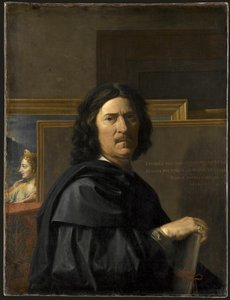
1594 - 1665 , Prancūzija

Explore the profound elegance of Baroque Classicism. Discover how 17th-century masters synthesized dramatic emotion with classical order through the lens of the Counter-Reformation and the works of legends like Carlo Maratta and Andrea Sacchi.

Explore the captivating world of Baroque Classicism! Discover its history, key artists like Caravaggio & Rubens, and defining characteristics. Expert insights & high-quality reproductions at BuyPopArt.

Explore the life & work of Nicolas Poussin, a master of French Classicism. Discover his allegorical paintings, Roman influences, and enduring impact on art history. Expert analysis & insights.

Explore the life & work of Guido Reni, a master of Baroque classicism. Discover his iconic religious & mythological paintings, and understand his enduring influence on art history. Expert analysis for collectors.

Atraskite baroko dramatiškumą! Meno konsultacijos, rankų darbo reprodukcijos ir patarimai, kaip įnešti eleganciją bei emocijas į jūsų interjerą su BuyPopArt.com. Kokybė garantuota!


Sekite naujausias meno naujienas, išskirtinius pasiūlymus ir dekoravimo idėjas.
Pasakokite mums apie savo projektą, o mūsų meno ekspertai parengs jums 3 asmeniškus meno pasiūlymus.
Leiskite mums parinkti 3 variantus būtent jums – nemokamai!


 Peržiūrėti realybėje
 Pasidalinti
 Dalintis
 Išsamiau

 Atsisiųsti
 Panašūs eksponatai
 Rentgeno nuotrauka
 Automatinė diorama
 Skaityti daugiau







 Stiklo variantas prieinamas tik pasirinkus dydį iki 110 cm


