

 Akrilas ant drobėsSieninis menasBaroque
 1648Renesansas
 150.0 x 199.0 cm
 Hermitage muziejus
Muziejų lygio „giclée“ arba drobos spausdinimas: greita gamyba ir lankstios apdailos parinktys. ( Pirkti rankomis tapytą paveikslą Pirkti vaizdą)





























Pasirinkite iš mūsų nustatytų dydžių, atitinkančių originalaus meno kūrinio proporcijas.

Galite nurodyti savo matmenis, kad vaizdas atitiktų konkretų rėmą ar erdvę. Jei pasirinktas dydis nesutaps su originalaus paveikslėlio proporcijomis, mes arba apkirpsime kūrinį, arba išplėsime vaizdą naudojant veideliu atspindėtą arba vientisą šoną. Skaitmeninis maketas bus išsiųstas jums patvirtinti prieš pradedant gamybą.
Atkreipkite dėmesį, kad ekrane matomas vaizdinys neatspindi tikrojo apkirpimo ar išplėtimo. Tik maketas tiksliai parodytų galutinę kompoziciją.
Nors galima rinktis ir individualius dydžius, rekomenduojame pasirinkti vieną iš išanksti nustatytų matmenų, kad būtų išlaikytos originalios proporcijos.
Pristatymas visame pasaulyje () per 2 weeks, o ne įprastas 4/5 savaičių laikotarpis. (12 rugpjūtis)


Landscape with Polyphemus
Reprodukcijos matmenys
Nicolas Poussin’s Landscape with Polyphemus stands as a cornerstone of Baroque art and exemplifies the artist’s masterful command of classical ideals translated into visual splendor. Painted in 1648 for Jean Pointel, this monumental oil on canvas resides within the hallowed halls of The Hermitage Museum in St. Petersburg, Russia—a repository of artistic treasures reflecting centuries of cultural heritage.
At 150 x 199 cm, the painting immediately impresses with its serene grandeur and deliberate composition. Poussin eschewed the flamboyant excesses characteristic of his contemporaries, opting instead for a harmonious balance achieved through meticulous observation and intellectual contemplation. The scene depicts a mythological narrative—a retelling of Homer’s Odyssey—featuring Polyphemus, the cyclops son of Poseidon, wrestling with Galatea, a nymph from Arcadia. This juxtaposition of pagan mythology and idealized landscape is quintessential Poussinian style.
The artist skillfully employs linear perspective to create depth and realism within this fantastical setting. Foreground elements—a rocky outcrop and scattered shrubs—are rendered with painstaking detail, anchoring the viewer’s gaze while simultaneously framing a panoramic vista stretching into the distance. Two horses dominate the right side of the composition, symbolizing nobility and strength, and their placement contributes to the overall sense of balance.
Central to the painting is Polyphemus himself—a figure rendered with remarkable anatomical accuracy despite his monstrous appearance. He holds a bow and arrow, poised for action yet imbued with an air of melancholy contemplation. The inclusion of Galatea and her attendants underscores themes of beauty, innocence, and divine grace – concepts deeply rooted in classical philosophy.
Beyond its aesthetic merits, Landscape with Polyphemus speaks to a broader artistic and intellectual tradition. Poussin’s unwavering devotion to classical principles—particularly those championed by Raphael—influenced generations of artists who sought to emulate his clarity, elegance, and profound understanding of human emotion. The painting's enduring appeal lies in its ability to transport the viewer to another realm—a realm where mythic grandeur intertwines with sublime natural beauty.
The Hermitage Museum’s acquisition of this masterpiece solidified its place within Russia’s artistic canon. Alongside other celebrated works by Poussin, such as The Holy Family with St. Elizabeth and John the Baptist—also housed in St. Petersburg—demonstrates Poussin’s lasting impact on European art history.
For those wishing to experience the majesty of Landscape with Polyphemus firsthand, BuyPopArt.com offers exquisitely crafted oil painting reproductions that faithfully capture the essence and luminosity of Poussin’s original vision.
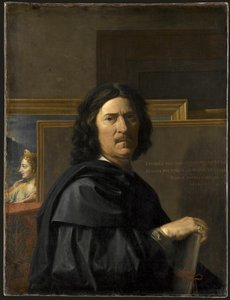
1594 - 1665 , Prancūzija
Atraskite Hermitažo muziejaus 25 šedevrus! Išsami istorija apie Rembrandto, Leonardo da Vinci ir kitų genijų kūrinius. Meno reprodukcijos jūsų interjerui – įkvėpkite klasikinį grožį su BuyPopArt.com.

Explore the life & work of Nicolas Poussin, a master of French Classicism. Discover his allegorical paintings, Roman influences, and enduring impact on art history. Expert analysis & insights.

Explore the captivating world of Baroque Classicism! Discover its history, key artists like Caravaggio & Rubens, and defining characteristics. Expert insights & high-quality reproductions at BuyPopArt.

Explore the enduring legacy of Classicism in Western art! Discover its historical context, key principles, iconic masterpieces & lasting influence. Learn about Renaissance and Neoclassical movements with BuyPopArt.

Explore the captivating history of mythological narratives in Western art! From ancient Greece to modern masterpieces, discover iconic artworks & symbolism. Expert analysis and high-quality reproductions at BuyPopArt.


Sekite naujausias meno naujienas, išskirtinius pasiūlymus ir dekoravimo idėjas.
Pasakokite mums apie savo projektą, o mūsų meno ekspertai parengs jums 3 asmeniškus meno pasiūlymus.
Leiskite mums parinkti 3 variantus būtent jums – nemokamai!


 Peržiūrėti realybėje
 Pasidalinti
 Dalintis
 Išsamiau

 Atsisiųsti
 Panašūs eksponatai
 Rentgeno nuotrauka
 Automatinė diorama
 Skaityti daugiau







 Stiklo variantas prieinamas tik pasirinkus dydį iki 110 cm


